Did you know that around the world, the first menstruation is celebrated with unique traditions due to its significance in marking the transition to adulthood? Let's explore these interesting customs and beliefs from various countries.
South Africa
.jpg)
In South Africa, when a girl experiences her first menstruation, she is isolated from men and children for the duration of her period. This seclusion is a part of their cultural tradition.
Ghana
.jpg)
In Ghana, there is an unusual tradition where girls are required to swallow whole-boiled eggs when they have their first period. The belief behind this practice is that biting into a hard-boiled egg is considered equivalent to harming an unborn baby. This tradition might sound quite unusual to many.
Macedonia
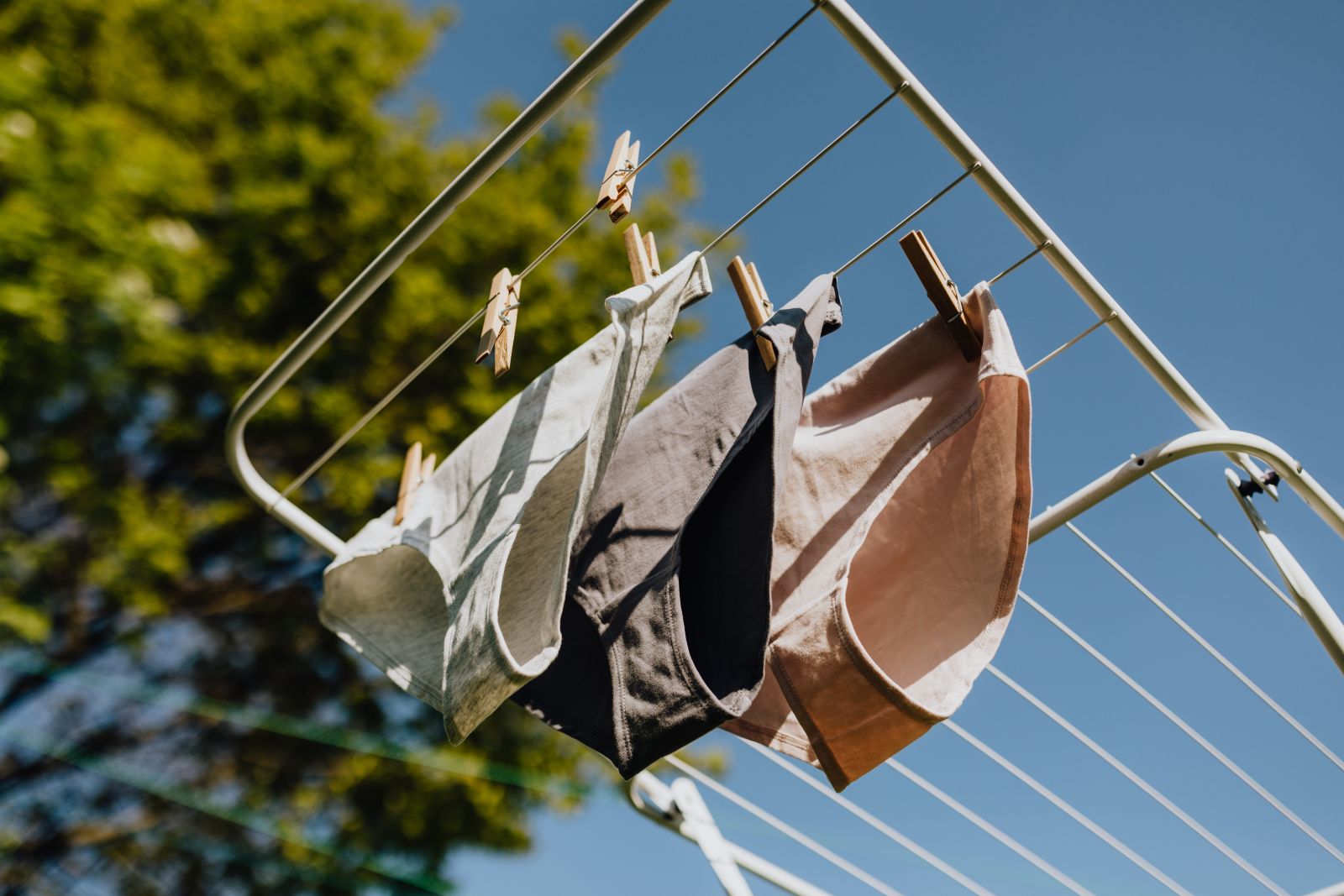
While most of us are accustomed to washing our underwear during menstruation, in Macedonia, there's a tradition where girls wash their underwear when they have their first period.
Greece

In Greece, the first menstruation is celebrated with a big party. This celebration signifies that a girl has entered adulthood.
Japan
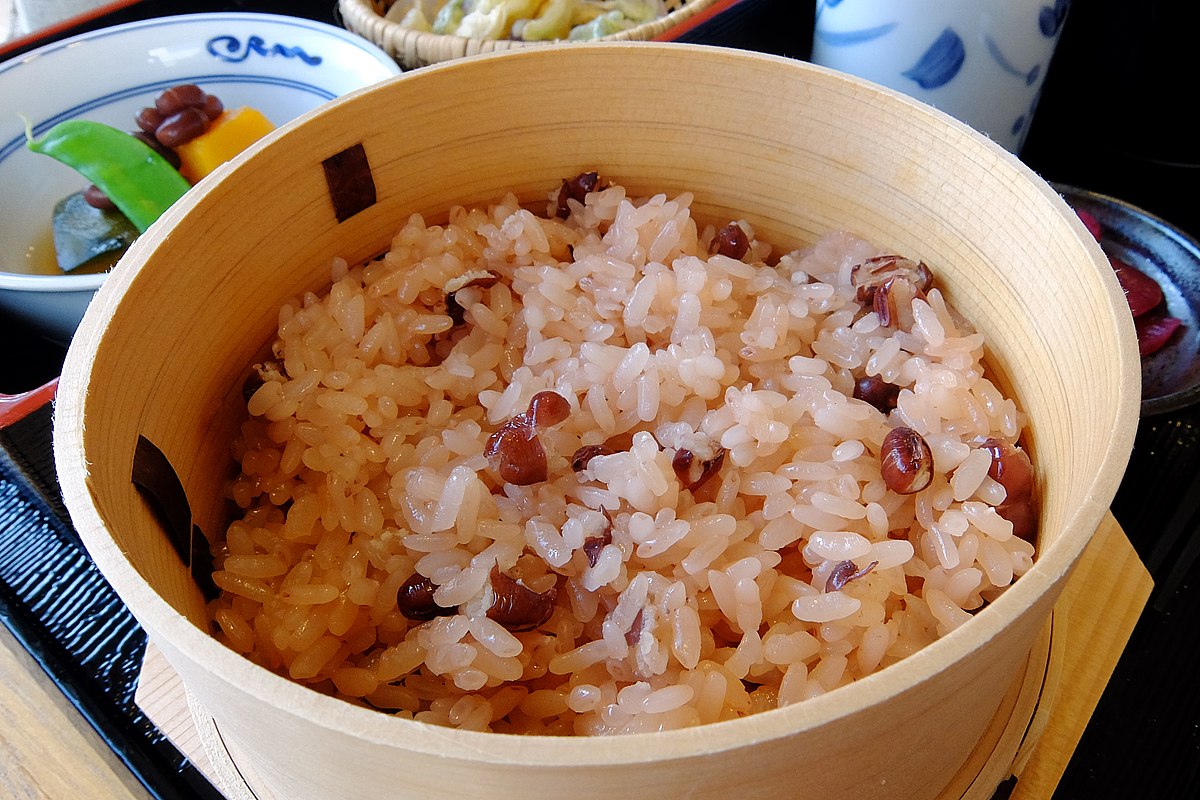
Japanese families have a unique way of announcing a girl's first menstruation. They prepare a special sekihan dish made from sticky rice mixed with red beans. The family members, particularly fathers and brothers, use this dish to recognize the important milestone.
Israel
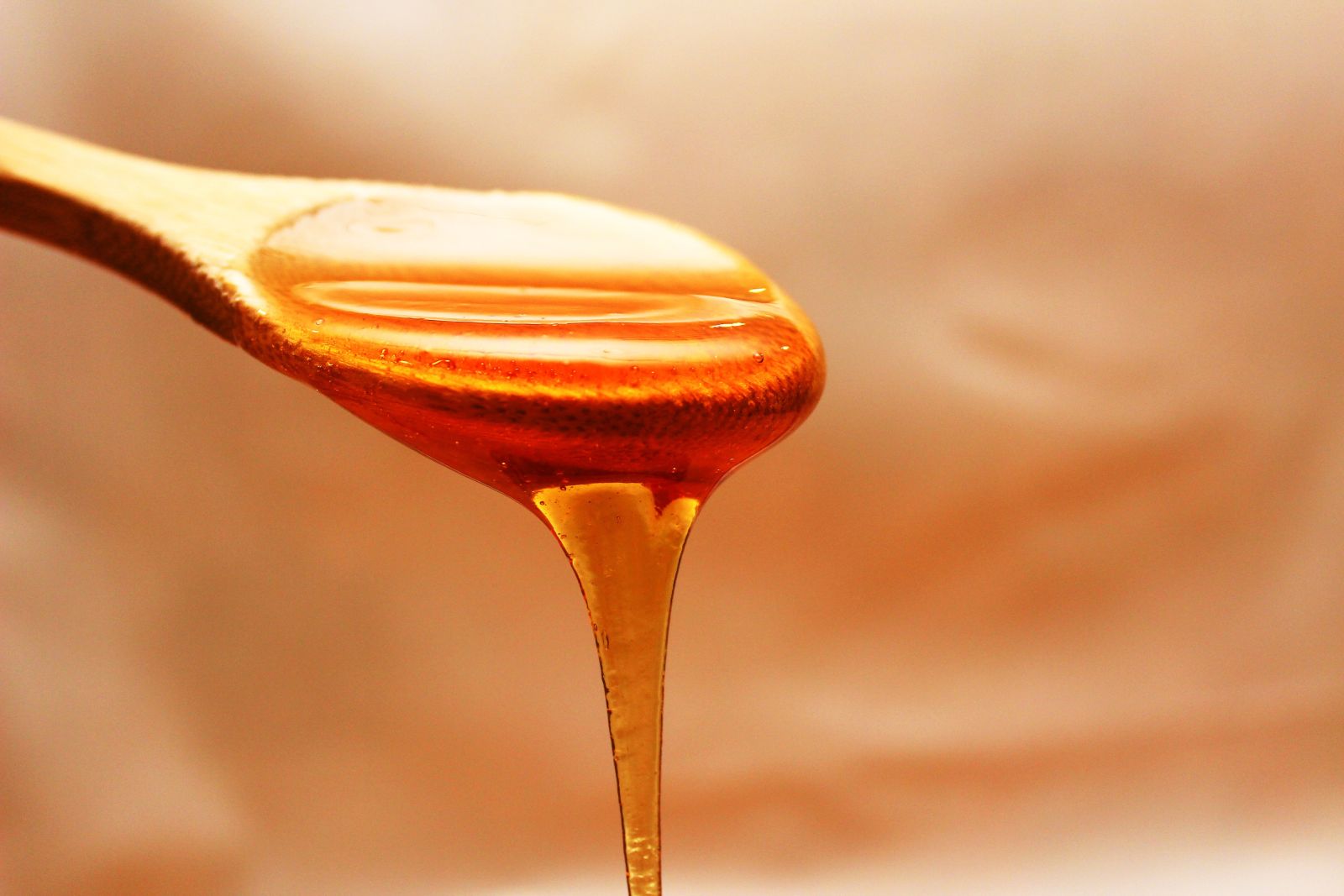
In Israel, when a girl has her first menstruation, they have a teaspoon of honey. This tradition is rooted in the belief that honey can ease menstruation in the following months.
Malaysia

In Malaysia, girls who experience their first menstruation have a unique tradition of consuming raw eggs. They believe that this practice will result in smoother menstruation in the future.
Brazil
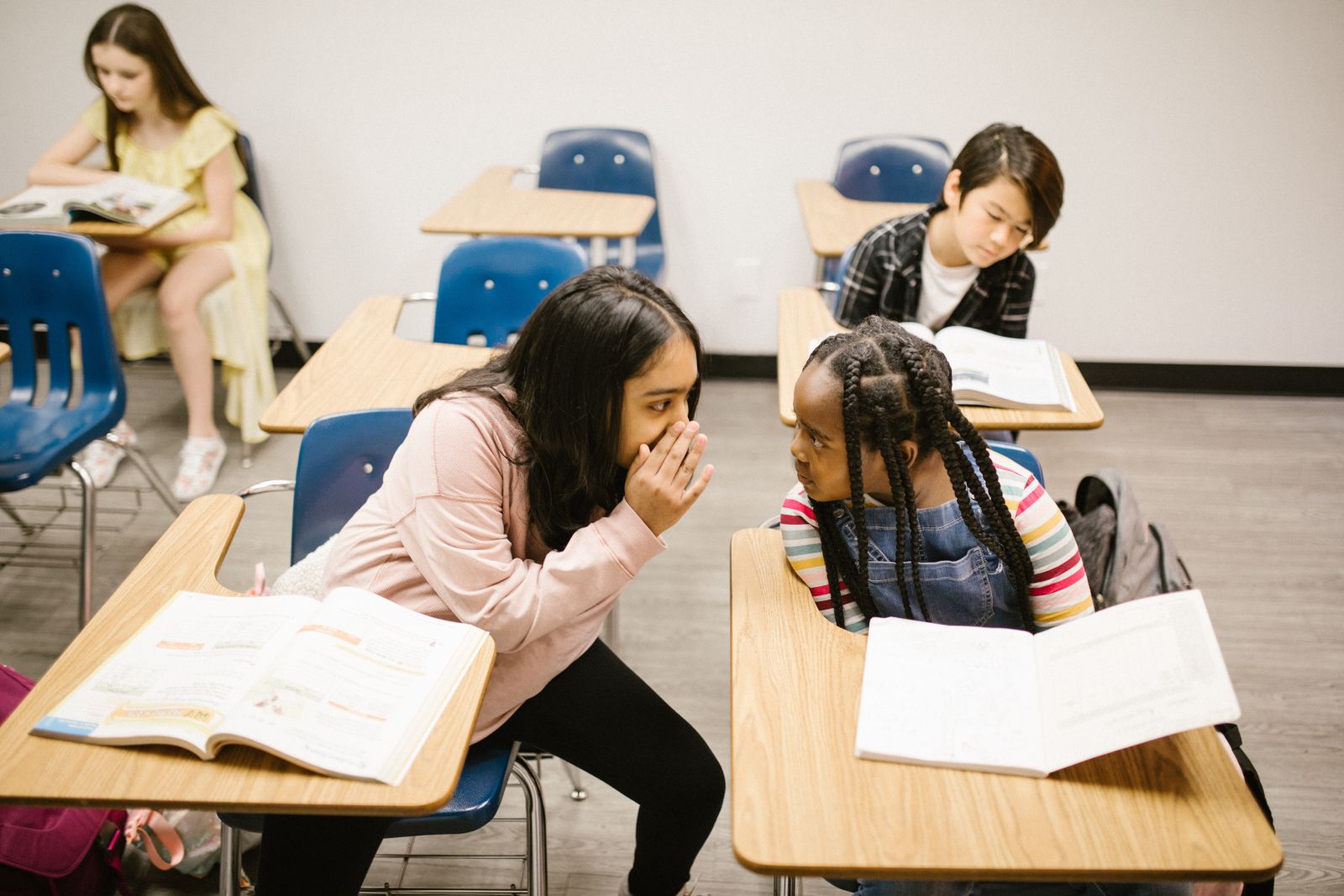
In Brazil, young girls are not shy about sharing their first menstruation with family and friends. It's a cultural norm to discuss this milestone openly.
Croatia
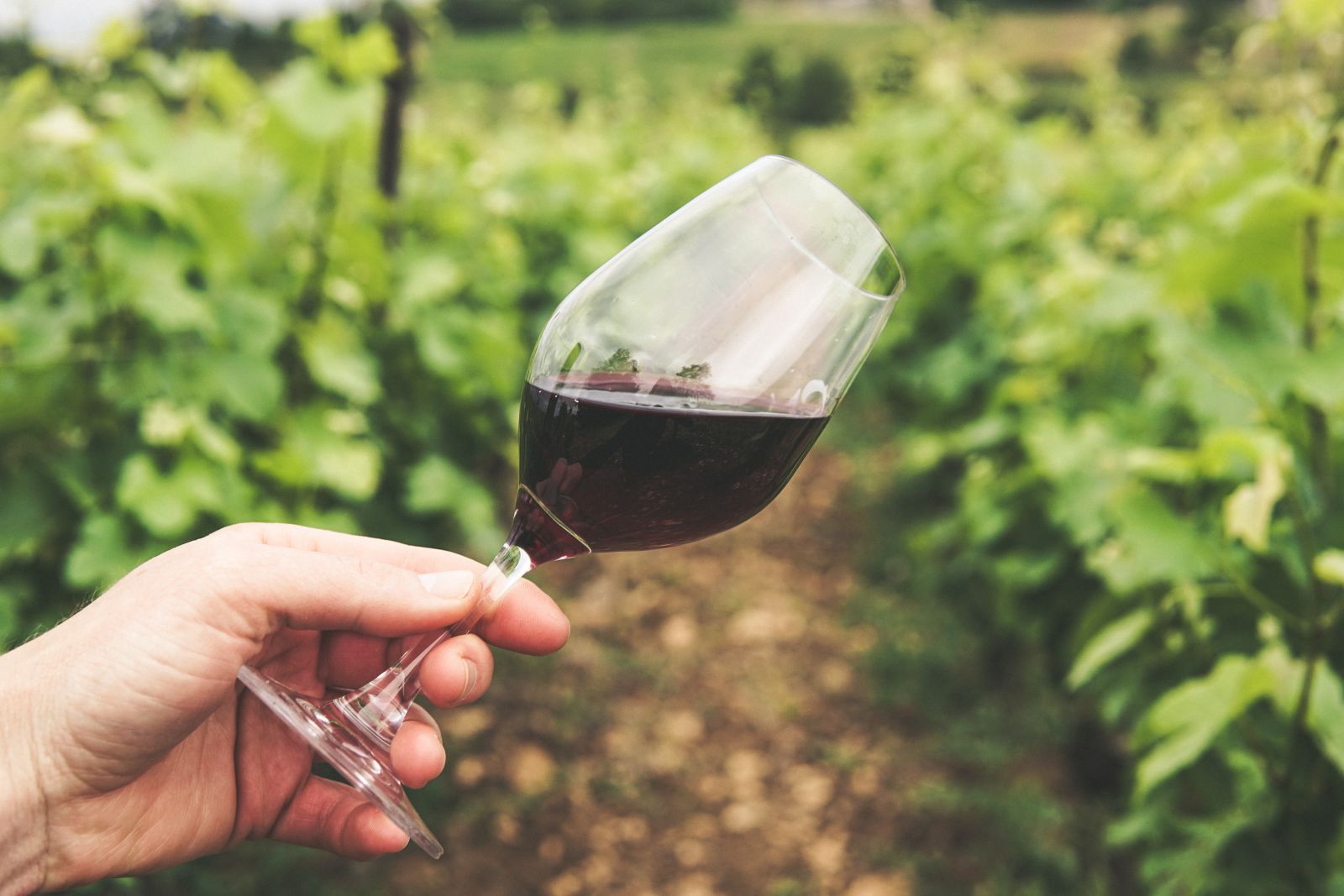
Croatia has a tradition where girls drink red wine as a symbolic act of entering adulthood.
Canada
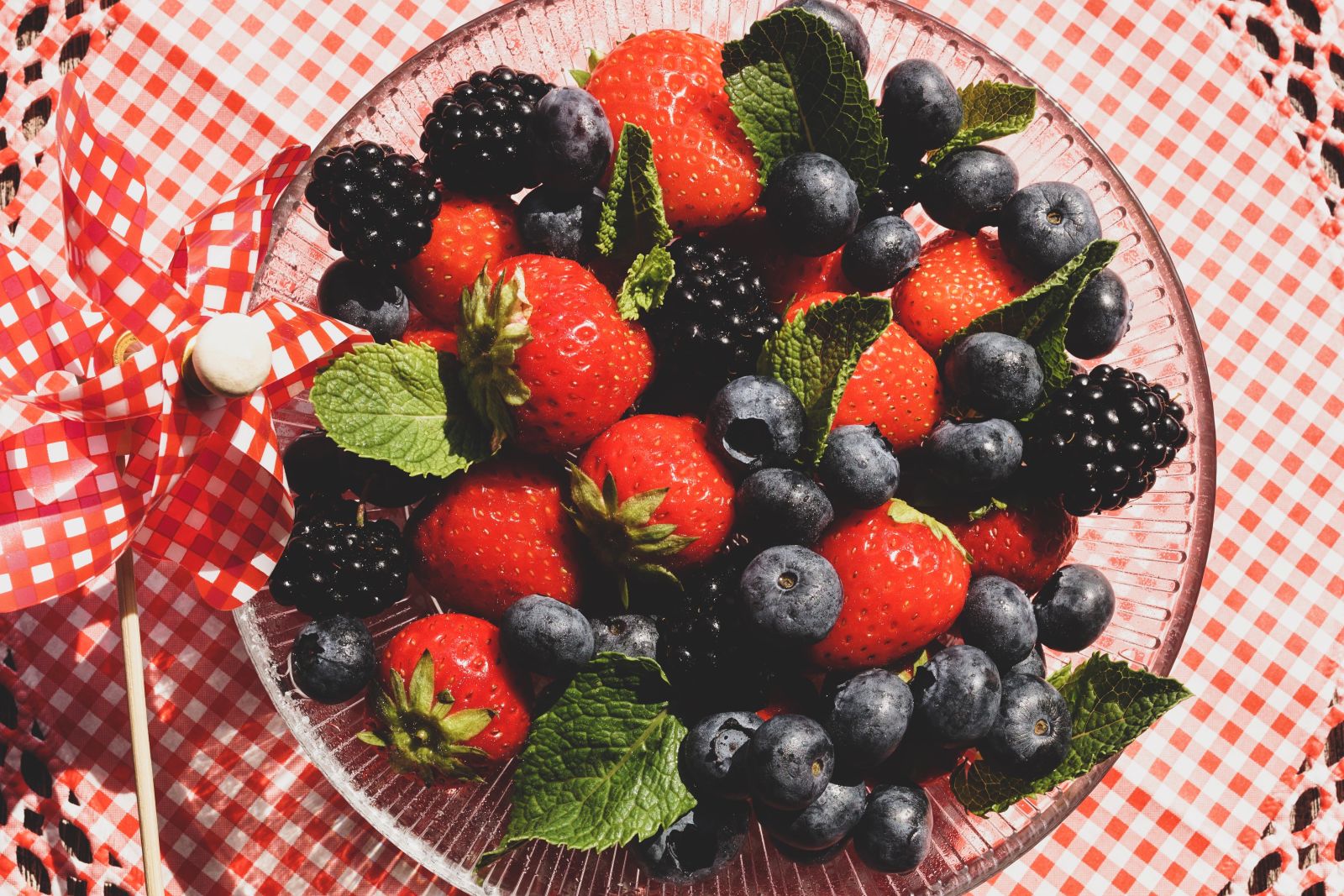
In Canada, young girls avoid consuming berries for a year after their first menstruation. After this period, they are allowed to enjoy berries again.
These traditions reflect the cultural diversity worldwide and the significance placed on a girl's first menstruation as she enters a new phase in her life. Which of these traditions do you find the most unique?