Many women wonder if it's okay to have sex during their menstrual cycle, but it's essential to be aware of the potential risks.
Understanding the Menstrual Cycle and Fertility
Getting pregnant is most likely during ovulation, typically 7-19 days after your period ends. This is the optimal time for conception because the egg survives for only about 12-24 hours after ovulation.
Common Misconception
Some people believe that having sex during menstruation is safer for pregnancy prevention. However, it's crucial to be informed about the potential dangers of intercourse during your period.
Risks of Sex During Menstruation

1. Infection:
Menstruation involves shedding the uterine lining with menstrual blood. This can create an environment for bacteria and fungi to grow due to increased pH levels in the vagina. The risk of cervical infections also increases as the cervix and uterus are more vulnerable during this time.
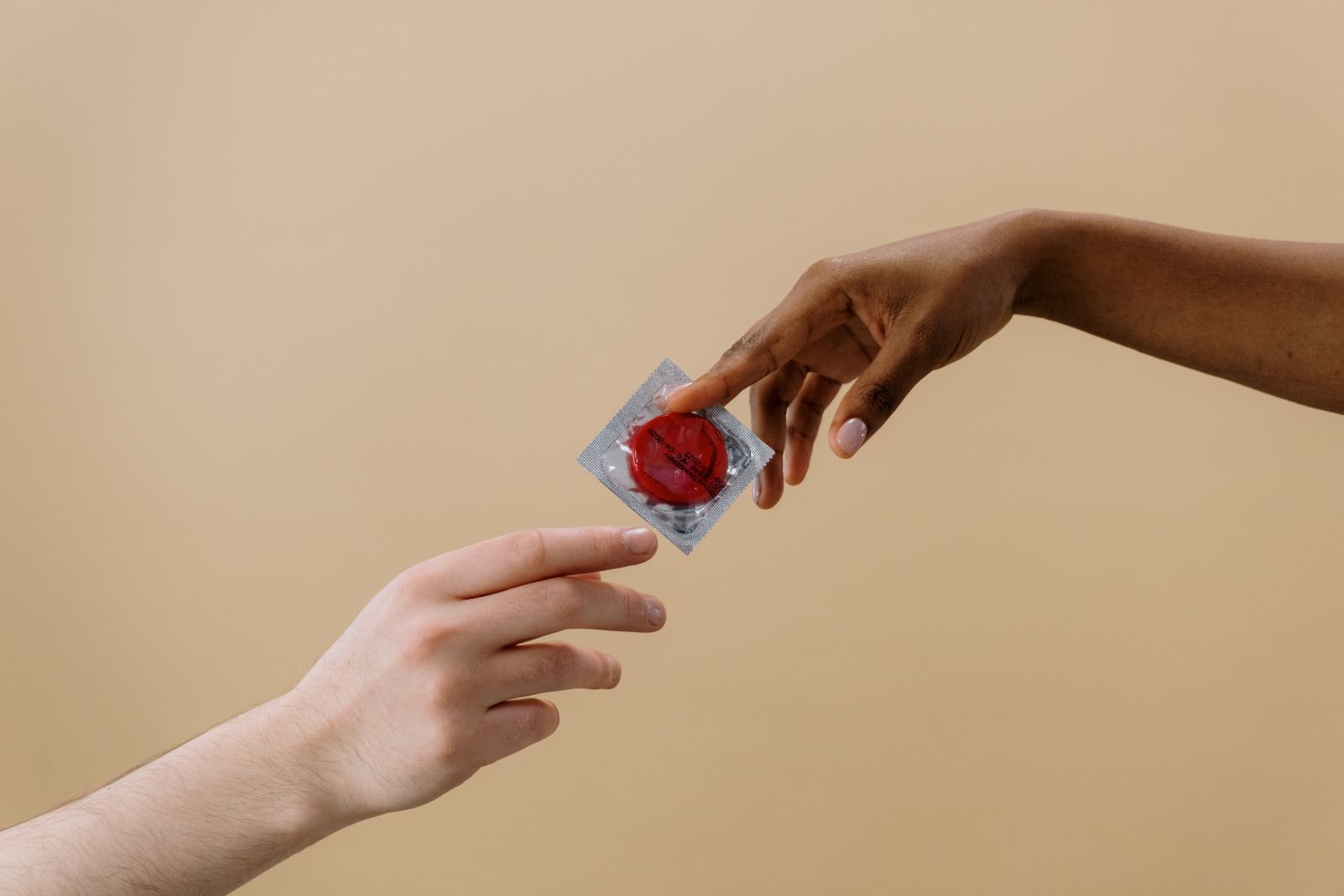
2. Sexually Transmitted Infections (STIs):
Shedding vaginal walls and menstrual blood can carry bacteria, making it easier to contract STIs and experience issues like fungal infections and bacterial vaginosis.
3. Endometriosis:
Women who have sex during menstruation are at risk of developing endometriosis. Penetrative sex can push menstrual blood back into the uterus, leading to the blood sticking to the uterine wall lining. This can trigger endometriosis, which, if left untreated, may lead to tumors, cancer, and increased infertility risks.
While having sex during your period can have benefits like easing menstrual cramps and reducing the length of your period, it's vital to be aware of the potential health risks and take precautions. Safe sex practices, open communication with your partner, and consultation with a healthcare provider are essential for making informed choices regarding sex during menstruation.
Reference:
https://www.cdc.gov/about/facts/index.html (STD-Trends)