Toilet training is a significant step in helping children become more independent. It teaches them to control their urge to urinate and encourages them to use the toilet. Here are some practical tips for successful toilet training that parents can use:
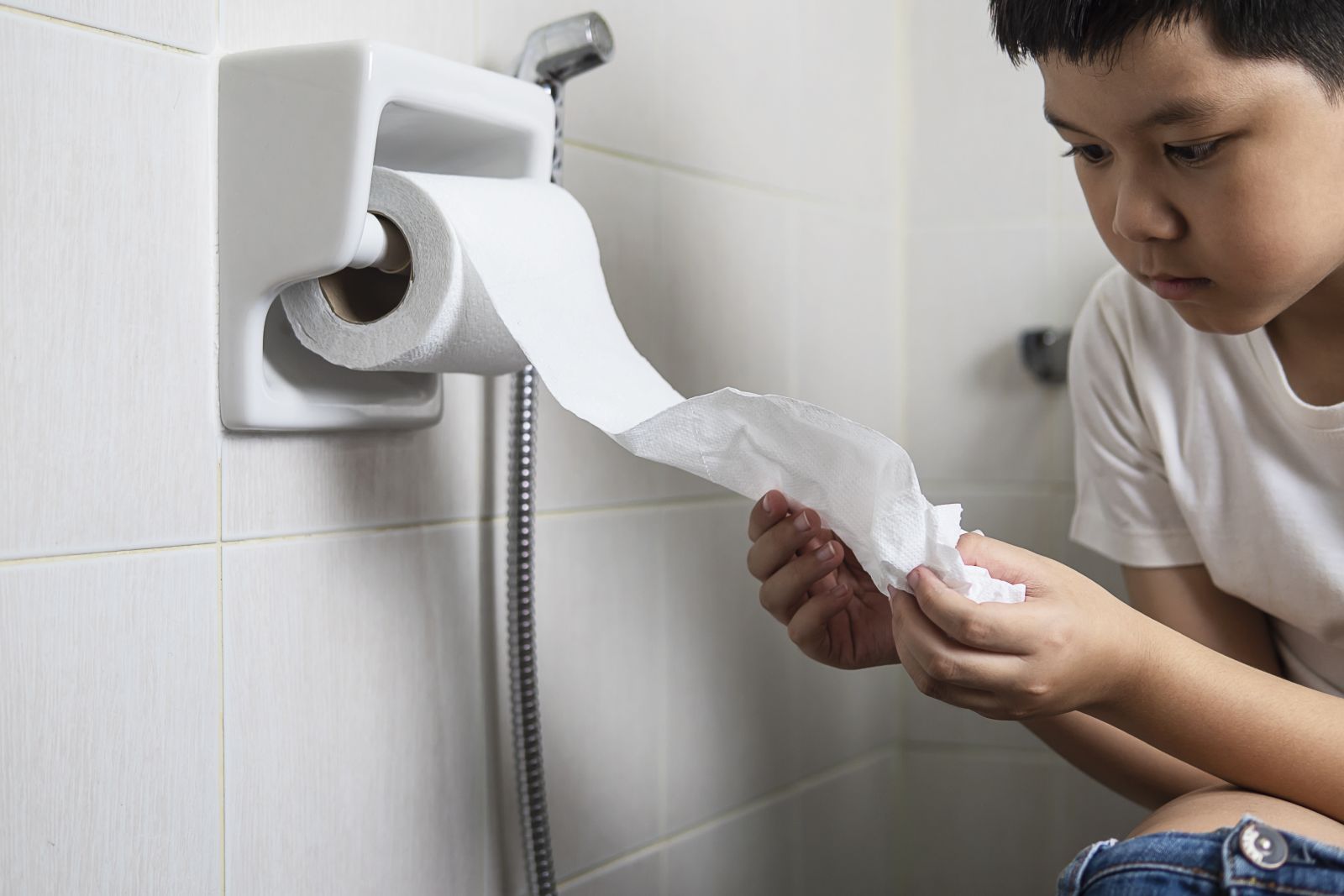
1. Recognize Signs of Readiness
Before starting toilet training, you must look for signs that your child is ready. These signs may include:
- Increased frequency of urination.
- Showing curiosity about what adults do in the bathroom.
- Being able to pick up and return objects independently.
- Clear verbal communication.
- The ability to take off and put on their clothes.
- Expressing a desire to stop wearing diapers.
Recognizing these signs will help determine when your child is ready to begin toilet training.
2. Use Appropriate Language
Avoid using figurative language or baby talk when discussing defecation and urination with your child. Refrain from describing poop or diaper contents as dirty, disgusting, or smelly. Instead, emphasize the importance of cleanliness and teach your child to wash their hands thoroughly after using the toilet.

3. Choose the Right Toilet Equipment
While it may be challenging to transition to a regular toilet, you can purchase equipment to support the process. Consider buying:
- Potty chairs.
- Toilet seat reducers for toddlers.
- Non-slip mats to line the bathroom floor.
Select equipment that suits your bathroom's layout and your child's needs.
4. Demonstrate Proper Toilet Use
Show your child how to use the toilet step by step. Start with:
- Entering the bathroom.
- Sitting on the toilet.
- Cleaning their body and genitals.
- Flushing the toilet.
- Putting their clothes back on.
A visual demonstration helps children understand the process better.
5. Be Attentive to Your Child's Progress
Toilet training is a journey filled with various challenges and obstacles. It's vital to be patient and supportive, avoiding any actions that might make your child fearful, anxious, or unmotivated to continue the training. Every child's progress is unique, so take the time to understand their needs.
Toilet training can be tricky, but with these tips, you can make the process more manageable. Remember, patience, understanding, and consistency are key to success!