Many women may find themselves contemplating motherhood at age 35 or older, facing unique challenges and concerns. While getting pregnant later in life is possible, it's crucial to be aware of the potential risks and prepare accordingly.
Pregnancy After 35: What You Need to Know
Pregnancy at age 35 and beyond can be more complex due to various factors. Let's explore the risks and considerations for women considering motherhood at this stage of life.
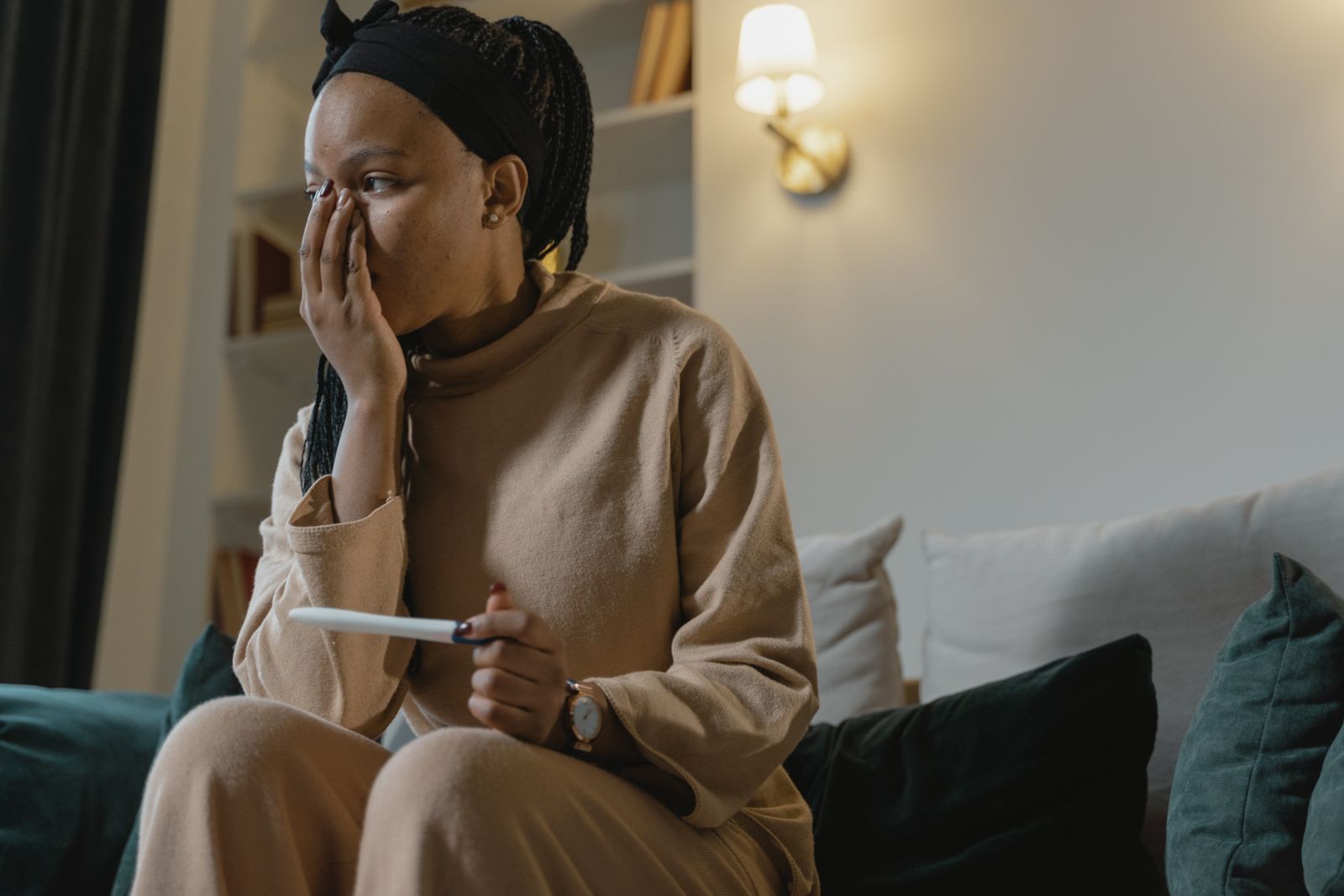
1. Fertility Challenges
As you age, your fertility naturally declines. In your 20s, eggs are more fertile, and ovulation occurs more frequently. After 35, ovulation becomes less frequent, and when it happens, it may take longer for fertilization to occur. Additionally, your body's overall health and immunity can impact fertility.
2. Increased Risk of Complications
Pregnancy complications can become more prevalent and severe after the age of 35. These may include morning sickness, urinary tract infections, anemia, cervical incompetence, high blood pressure, diabetes, premature labor, and miscarriage. Aging affects the quality of egg cells and can lead to chronic medical conditions that further elevate these risks.
3. Higher Likelihood of Twins
While having twins may seem exciting, it comes with psychological, mental, and financial considerations. The chance of conceiving twins is greater for women aged 35 and older. This increased likelihood is due to hormonal factors influencing the simultaneous release of multiple eggs.

Tips for a Healthy Pregnancy After 35
If you're determined to pursue pregnancy after 35, consider the following steps to increase your chances of a healthy pregnancy:
- Regularly consult with a healthcare provider to assess overall health.
- Adopt a healthier and more organized lifestyle.
- Reduce or eliminate alcohol, caffeine, and smoking from your routine, as these can negatively affect fertility.
- Learn to track your menstrual cycle and determine your fertile period.
- Prioritize a well-balanced diet and regular exercise.
- Manage stress through relaxation techniques.
While pursuing pregnancy at 35 and beyond has its challenges, it's certainly possible to experience a successful and healthy pregnancy. Remember that the decision to become a parent is personal, and the well-being of both the mother and child should remain a top priority.
Reference:
https://www.babycentre.co.uk/a1013994/getting-pregnant-in-your-30s
https://www.mayoclinic.org/healthy-lifestyle/getting-pregnant/in-depth/pregnancy/art-20045756