The fallopian tubes serve as vital female reproductive organs, connecting the ovaries and the uterus. During the monthly ovulation process, these tubes are crucial in guiding eggs from the ovaries to the uterus. Tubal occlusion, or blocked fallopian tubes, can be a key factor contributing to female infertility. It's worth noting that women with blocked fallopian tubes often do not experience noticeable symptoms. However, certain risk factors can increase the likelihood of developing this condition. It's a common misconception that regular menstruation ensures fertility, which is not always the case.
Signs of Blocked Fallopian Tubes
Unlike conditions like anovulation, which may result in symptoms such as irregular menstrual cycles, blocked fallopian tubes are typically asymptomatic. The primary indicator of this condition is infertility, defined as the inability to conceive even after a year of regular sexual intercourse.

One specific type of blocked fallopian tube, known as hydrosalpinx, can cause the tubes to enlarge and fill with fluid. This fluid obstructs the egg and sperm, ultimately preventing fertilization and pregnancy. While some individuals may experience lower abdominal pain and unusual vaginal discharge with hydrosalpinx, not everyone with this condition will display these symptoms.
Several underlying causes of blocked fallopian tubes have their associated symptoms. For instance, conditions like endometriosis and pelvic inflammatory disease (PID) can lead to pain during menstruation and sexual intercourse.
Common Causes of Blocked Fallopian Tubes
In most cases, blocked fallopian tubes result from Pelvic Inflammatory Disease (PID), often triggered by sexually transmitted diseases (STDs). However, it's essential to recognize that not all pelvic infections are linked to STDs. Even when PID or a pelvic infection is no longer present, a history of such conditions can heighten the risk of blocked fallopian tubes. Several factors that may lead to tubal occlusion include:
- A history of sexually transmitted infections such as chlamydia or gonorrhea.
- A history of uterine infections stemming from miscarriages or abortions.
- A history of a ruptured appendix.
- A history of abdominal surgery.
- A history of ectopic pregnancy.
- A history of fallopian tube-related surgeries, including tubal ligation.
- The presence of endometriosis.
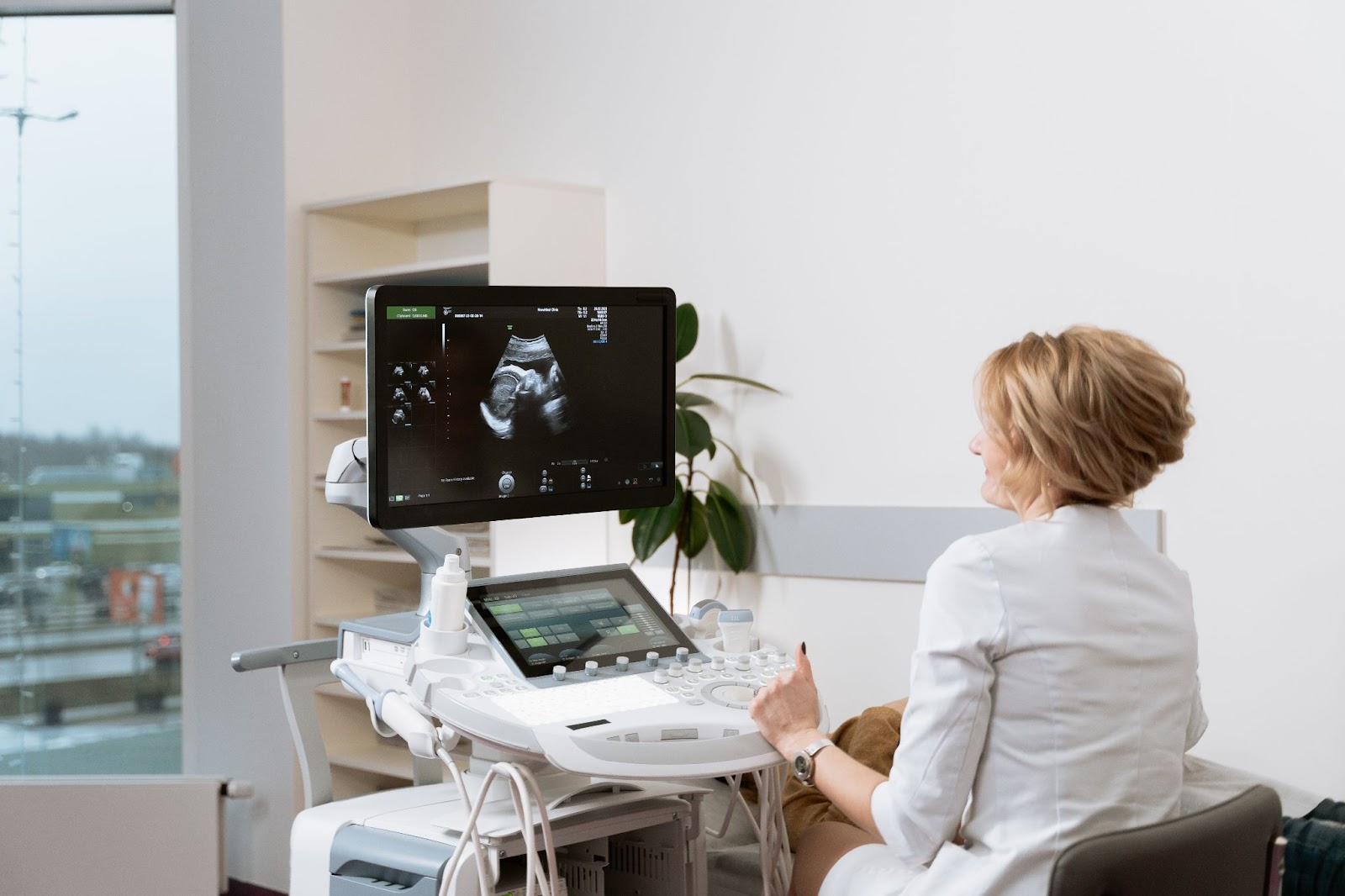
In cases of open and healthy fallopian tubes, pregnancy can occur without the need for intervention or treatment. Achieving pregnancy through low-tech treatments remains possible even with one blocked fallopian tube. However, when both fallopian tubes are blocked, surgery or IVF treatment becomes necessary. If you suspect or are diagnosed with this condition, it's essential to consult with a healthcare professional promptly.
Reference:
Verywell Family. (2022). What are blocked fallopian tubes https://www.verywellfamily.com/all-about-blocked-fallopian-tubes-1959927
Medical News Today. (2018). Signs and symptoms of blocked fallopian tubes https://www.medicalnewstoday.com/articles/321419
Healthline. (2019). What You Should Know About Blocked Fallopian Tubes https://www.healthline.com/health/womens-health/blocked-fallopian-tubes