In the whirlwind of wedding preparations, from choosing the perfect dress to selecting a venue, one aspect that should not be overlooked is pre-marriage health tests. These tests, also known as premarital check-ups, are not just another task on your wedding to-do list; they are a crucial step before saying "I do." Let's delve into why premarital health checks are essential and what these examinations encompass.
Why Are Premarital Check-ups Mandatory?
.jpg)
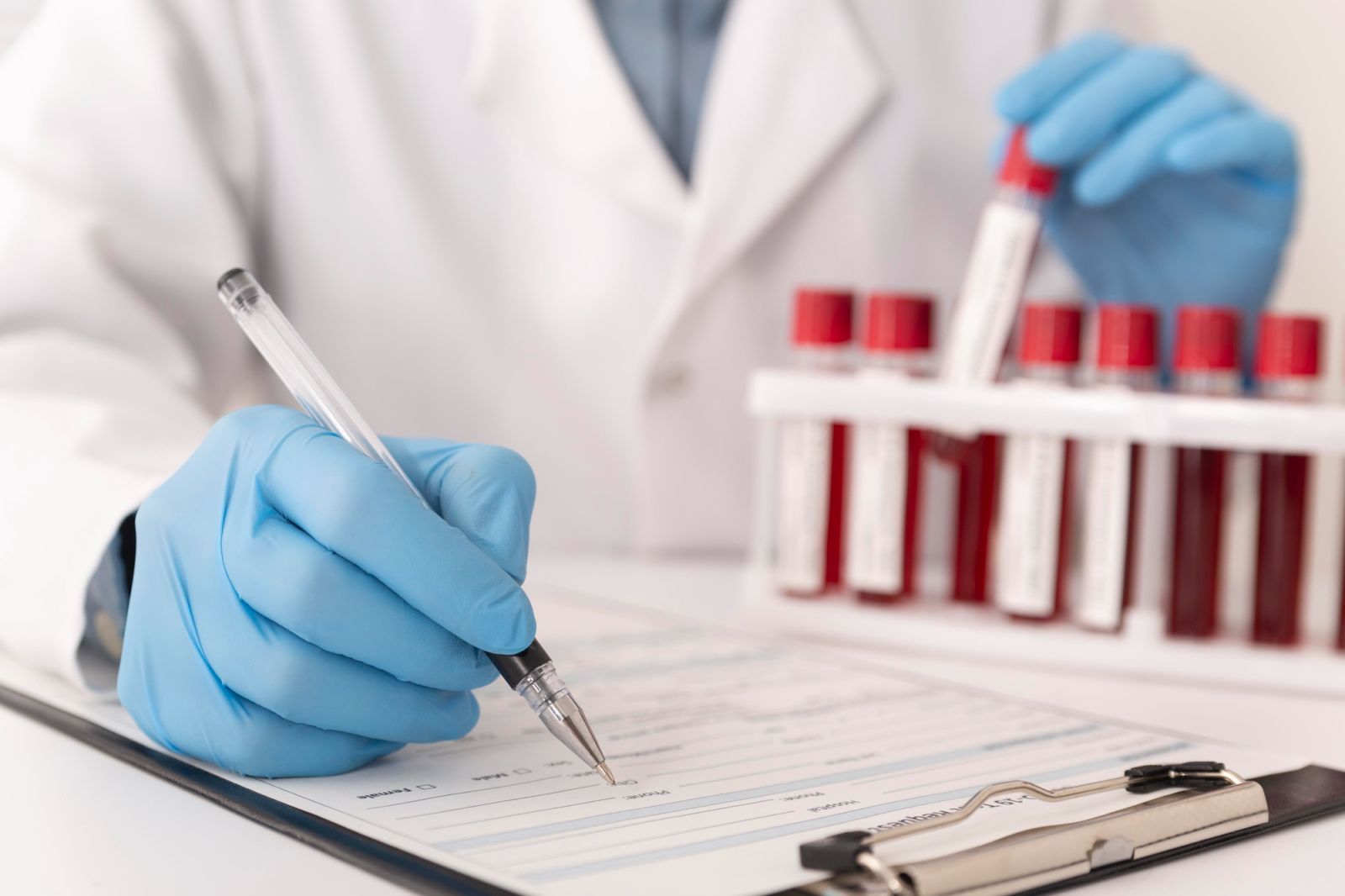
Premarital health tests involve a series of assessments that both partners undergo before marriage. The primary purpose is to thoroughly examine each person's health condition and history, offering insights into any underlying health problems. This not only benefits the couple themselves but also plays a significant role in safeguarding the health of any future children.
These tests help both partners become aware of each other's health status, allowing for more comprehensive life planning. The advantages of premarital health tests extend to the early detection of infectious and genetic diseases, including conditions like sickle cell anemia, thalassemia, and hemophilia.
Types of Premarital Health Examinations

The Ministry of Health of the Republic of Indonesia outlines several examinations included in the series of premarital check-ups:
-
Complete Blood Examination: Also known as a complete blood count (CBC), this test assesses the components of blood to gauge a person's overall health. It can detect conditions such as anemia, leukemia, inflammatory reactions, infections, and markers for blood cell levels related to hydration and dehydration. Additionally, it helps identify the risk of prospective parents giving birth to a child with thalassemia or hemophilia.
-
Blood Type and Rhesus Examination: Understanding the compatibility of your partner's rhesus factor is vital, as rhesus incompatibility can pose risks to both the mother and baby during pregnancy. Mismatched rhesus factors between partners can lead to maternal blood harming the fetus's blood cells and vital organs.
-
Blood Sugar Check: This examination is crucial for detecting the risk of high blood sugar levels (hyperglycemia). Knowing the blood sugar levels in expectant parents helps prevent diabetes complications during pregnancy, such as premature birth, miscarriage, and stillbirth.
-
Urine Examination (Urinalysis): Urinalysis detects metabolic and systemic diseases kidney issues, and checks for abnormalities. It analyzes urine based on color, clarity, quantity, and chemical content.
-
HIV/AIDS Test: Due to the risk of transmission to the fetus, an HIV/AIDS test is mandatory. It involves a blood sample to detect the presence of the virus.
-
Sexually Transmitted Infections (STI) Test: This test typically employs the VDRL (Venereal Disease Research Laboratory) or RPR (Rapid Plasma Reagin) test to detect STIs, particularly syphilis. However, please note that a positive result may occur due to other infectious diseases like HIV, malaria, or pneumonia, necessitating further examination.
-
Hepatitis B Examination: Detecting hepatitis B infection involves the HBsAg (hepatitis B surface antigen) test. If HBsAg persists in the blood for over six months, it signifies a chronic infection. This examination is crucial to prevent transmission of the hepatitis B virus to partners and future children, as it can lead to complications or even death during pregnancy.
-
TORCH Examination: TORCH, short for toxoplasma, rubella, cytomegalovirus, and herpes simplex, refers to diseases that can cause complications during pregnancy, such as abnormalities and disorders. Contracting a TORCH infection during pregnancy or within four months prior to conception increases the risk of miscarriage, premature birth, and congenital defects in the baby.
In conclusion, these premarital health tests are not only important but necessary. The results play a pivotal role in making informed decisions that impact your future as a couple and as potential parents. So, don't overlook the significance of these examinations; prioritize your health and well-being as you prepare for a new chapter in life.
Reference:
https://www.moh.gov.sa/en/HealthAwareness/Beforemarriage/Pages/default.aspx
https://www.ncbi.nlm.nih.gov/pmc/articles/PMC3915444/
https://promkes.kemkes.go.id/7-jenis-tes-dalam-cek-pra-nikah-yang-akan-dijalani-calon-pengantin