Giving birth through caesarean section (C-section) is a medical procedure that involves making an incision in the abdomen and uterus to deliver a baby. While it can be a necessary and even life-saving procedure, it's important to know the limits. This article explains the potential risks and complications of having multiple C-sections.
Caesarean Sections: An Overview
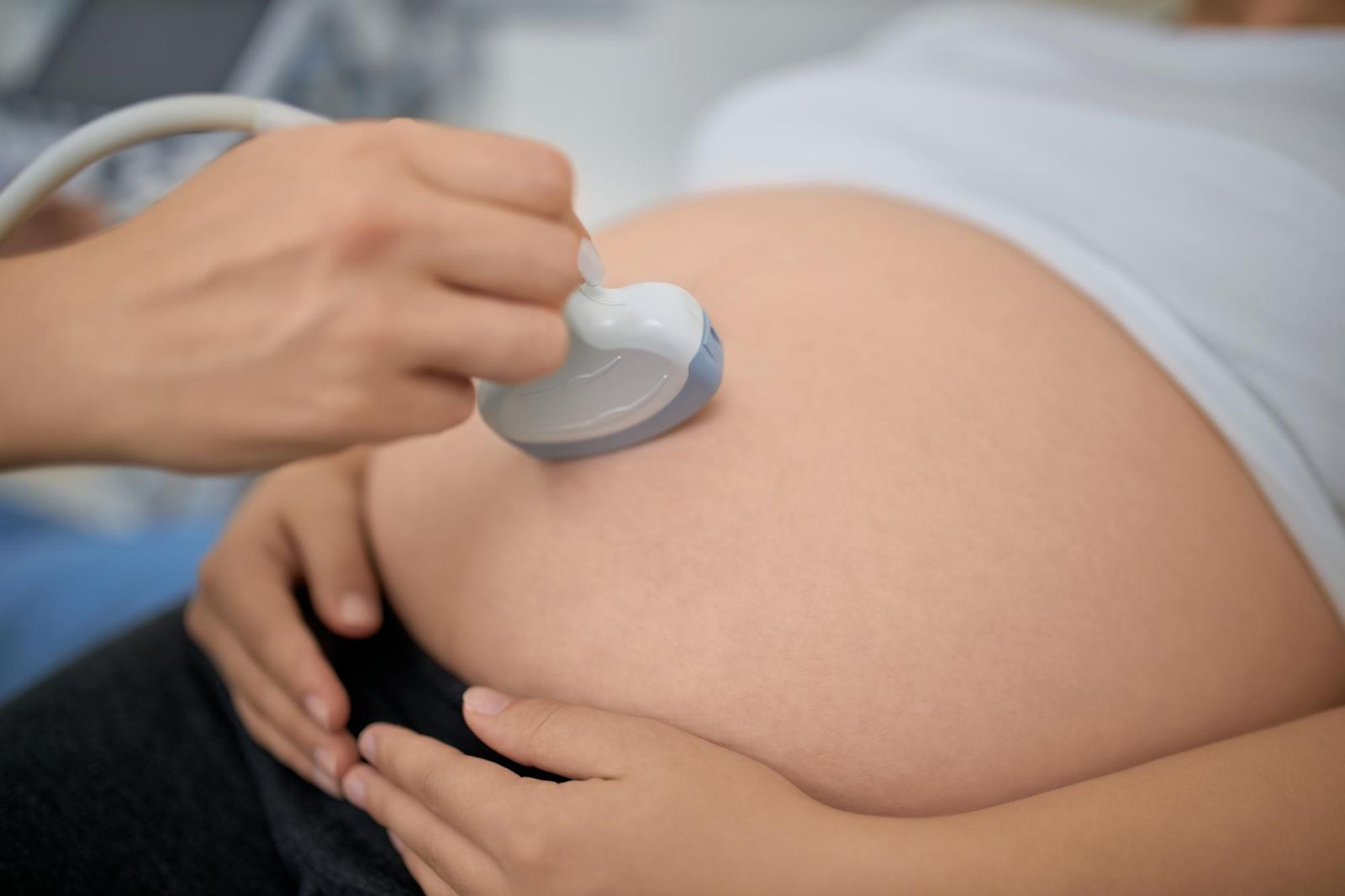
A caesarean section is typically recommended when a vaginal delivery poses risks to the mother or baby. It's a surgical procedure that requires more extended recovery time compared to vaginal birth. Some women prefer C-sections because they perceive them as more comfortable and less painful. However, it's crucial to consult with a healthcare professional before making this choice.
The Limit on C-Sections

There isn't a strict numerical limit on how many C-sections a woman can have. However, it's generally not recommended to have more than three C-sections. Excessive C-sections can lead to complex risks and may impact the success of future vaginal deliveries. While there are exceptions, it's vital to consider the following:
1. Difficult Childbirth:
Repeated C-sections can lead to increased abdominal tissue thickness due to scar tissue. This may cause uterine adhesions, making it more challenging to have a successful vaginal birth.
2. Bowel and Bladder Injuries:
With each C-section, the risk of bladder injuries becomes more significant. Scar tissue can lead to adhesions between the bladder and the uterus, potentially causing small bowel obstructions.
3. Placental Problems:
The risk of placental complications, such as placenta accreta (placenta deeply attached to the uterine wall) or placenta previa (placenta covering the cervix), increases with each C-section.
4. Uterine Removal:
Heavy bleeding from repeated C-sections may result in the need for a hysterectomy (uterus removal) to address the bleeding. The risk of uterine removal rises with each C-section, especially if it exceeds the recommended limit.
5. Other Complications:
Multiple C-sections can lead to hernias, diastasis recti (separation of abdominal muscles), numbness or pain around the incision area, and endometriosis (growth of uterine-like tissue outside the uterus). The risks of these complications may also be higher for women aged 35 or older.
.jpg)
Vaginal Birth After Caesarean (VBAC):
It's possible to have a vaginal birth after a C-section (VBAC). This decision requires consultation with a healthcare provider. VBAC can be a safe option, although it's not without risks. The success rate is relatively high, but thorough considerations and preparations are essential.
In conclusion, while there isn't an exact limit on the number of C-sections, it's generally not recommended to have more than three. Excessive C-sections can lead to serious complications. Women should consult their healthcare providers to make informed decisions about delivery methods and consider VBAC when appropriate. Your healthcare provider can provide guidance tailored to your specific situation and health.
Reference:
Repeat C-sections: Is there a limit?
https://www.mayoclinic.org/tests-procedures/c-section/expert-answers/c-sections/faq-20058380
Caesarean section – Risks https://www.nhs.uk/conditions/caesarean-section/risks/
Vaginal Birth After Caesarean (VBAC) https://www.acog.org/womens-health/faqs/vaginal-birth-after-cesarean-delivery?utm_source=redirect&utm_medium=web&utm_campaign=int
Multiple C-Section https://healthcare.utah.edu/womenshealth/pregnancy-birth/multiple-c-sections.php