Amenorrhea – the term for the absence of menstruation at its expected time – is a condition that you may not be familiar with. While pregnancy can cause amenorrhea, this absence of periods can be triggered by various other factors as well. In this article, we will explore the potential reasons behind amenorrhea beyond pregnancy.
Amenorrhea is defined as the absence of menstruation when a 16-year-old girl hasn't had her first period (primary amenorrhea) or when a woman misses her period for 3 to 6 months (secondary amenorrhea). Here, we delve into the possible causes of this condition.
Pregnancy
The most common reason for a delayed period is pregnancy. Whether intentional or accidental, if you are sexually active and experience a late period, pregnancy may be the cause. If your menstrual cycle extends from 28 to 29 days, consider waiting for a few days before taking a pregnancy test if your period doesn't arrive.
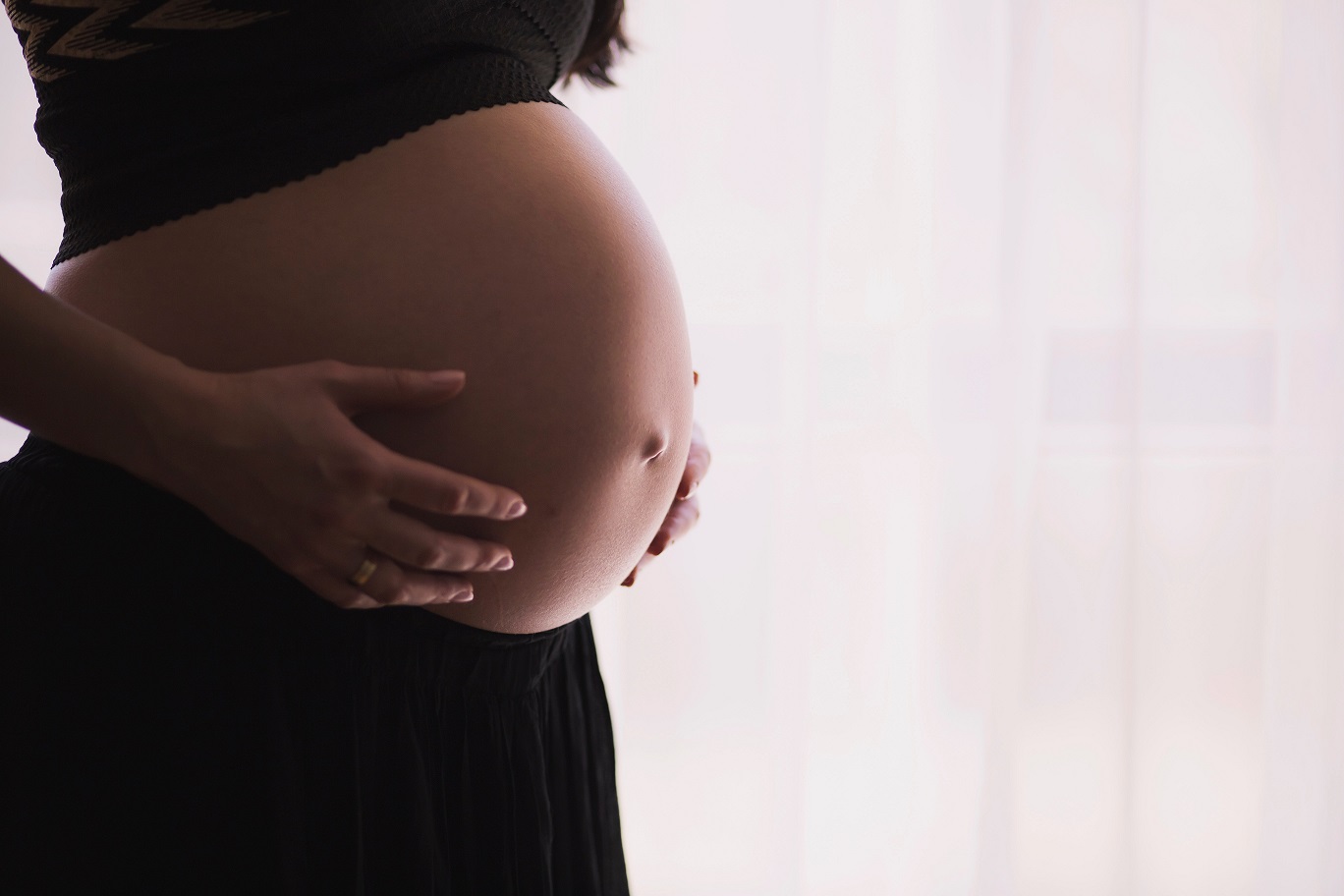 Menstruation Stops During Pregnancy
Stress
Stress can significantly impact your menstrual cycle. It can lead to both longer and shorter periods or even cause your period to cease. Stress affects the body's hormones by influencing the hypothalamus. Managing stress is essential, and techniques such as relaxation, exercise, and deep breathing exercises can help.
 Manage your stress, Ladies!
Low Body Weight
Excessive weight loss due to dieting or under-eating can cause amenorrhea. This weight loss disrupts hormone production, potentially leading to a halt in ovulation. If you are underweight, a nutritionist can guide safe weight gain. If an eating disorder is present, a specialist's help may be necessary.
Weight Gain
On the flip side, being overweight can also result in amenorrhea. This occurs because excessive weight can lead to an overproduction of estrogen, which in turn can halt menstruation. Typically, this situation is temporary, and a nutritionist may be consulted for a safe weight loss plan.
Contraceptive Use
Certain birth control methods, such as progesterone-containing birth control pills, can cause amenorrhea. Other contraceptives like IUDs, implants, and injections can have the same effect. However, once you discontinue these methods, your menstrual cycle should return to normal. In some cases, taking antidepressant medications may also cause a cessation of menstruation.
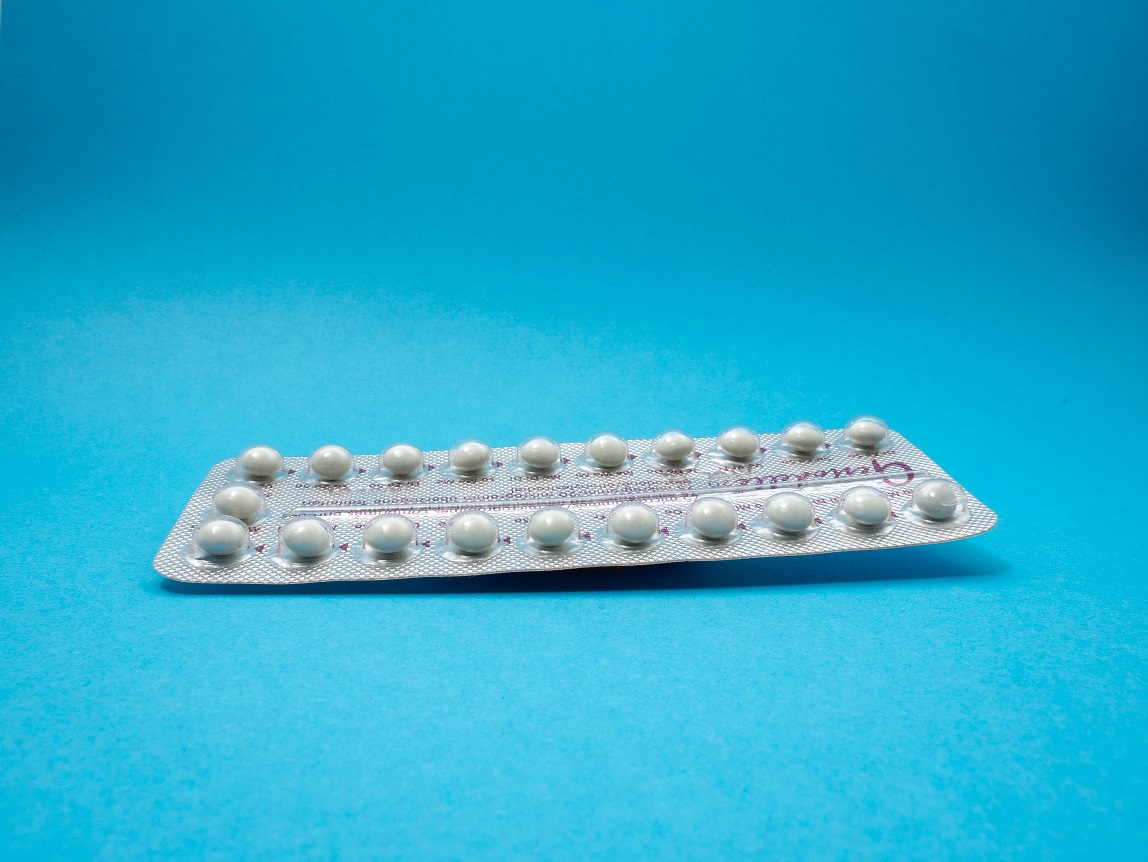 Contraceptive Pills Can Stop Menstruation
Excessive Exercise
Intensive exercise regimens can result in amenorrhea. This occurs due to the combination of stress, low body fat, and high energy expenditure. Intense physical activity impacts hormones responsible for the menstrual cycle and can disrupt ovulation. Athletes often experience this, and it should be discussed with a healthcare provider.
 Excessive Exercise Can Cause Amenorrhea
Menopause
Approaching menopause can lead to irregular periods or missed periods as estrogen levels decrease. When ovulation becomes inconsistent, the menstrual cycle can be affected. This is known as premature menopause. Keep in mind that women who have gone through menopause no longer menstruate.
Hormonal Imbalances
Conditions like Polycystic Ovarian Syndrome (PCOS) can disrupt the menstrual cycle, often causing amenorrhea. PCOS results in excess androgen hormones and the inability of follicles to release eggs, preventing ovulation. Other hormonal imbalances, such as hyperthyroidism or hypothyroidism, can have similar effects.
Suppose you experience specific conditions such as missing your period for three months or more, irregular menstrual cycles, lack of signs of puberty (for girls aged 13 years), or not being pregnant. In that case, it is advisable to seek medical attention promptly. You can also consult with a specialist at Fitie for expert guidance and support.
Source:
Better Health Channel. (2022). Absent periods-amenorrhea [Online] https://www.betterhealth.vic.gov.au/health/conditionsandtreatments/menstruation-amenorrhoea
Mayoclinic. (2021). Amenorrhea [Online] https://www.mayoclinic.org/diseases-conditions/amenorrhea/symptoms-causes/syc-20369299#:~:text=Amenorrhea%20(uh%2Dmen%2Do,a%20period%20by%20age%2015.
Medical News Today. (2018). What cause an absence of menstruation? [Online] https://www.medicalnewstoday.com/articles/322961#causes
United Kingdom National Health Service. (2019). Stopped or missed periods [Online] https://www.nhs.uk/conditions/stopped-or-missed-periods/