Mugwort is an herbal plant with a rich history in traditional medicine, skincare, and Korean cuisine. You might have noticed that some skincare products feature mugwort as a primary ingredient, particularly those designed to combat skin issues like acne and blackheads. So, why is mugwort so popular? Let's explore the benefits of mugwort for your skin.
Getting Acquainted with Mugwort
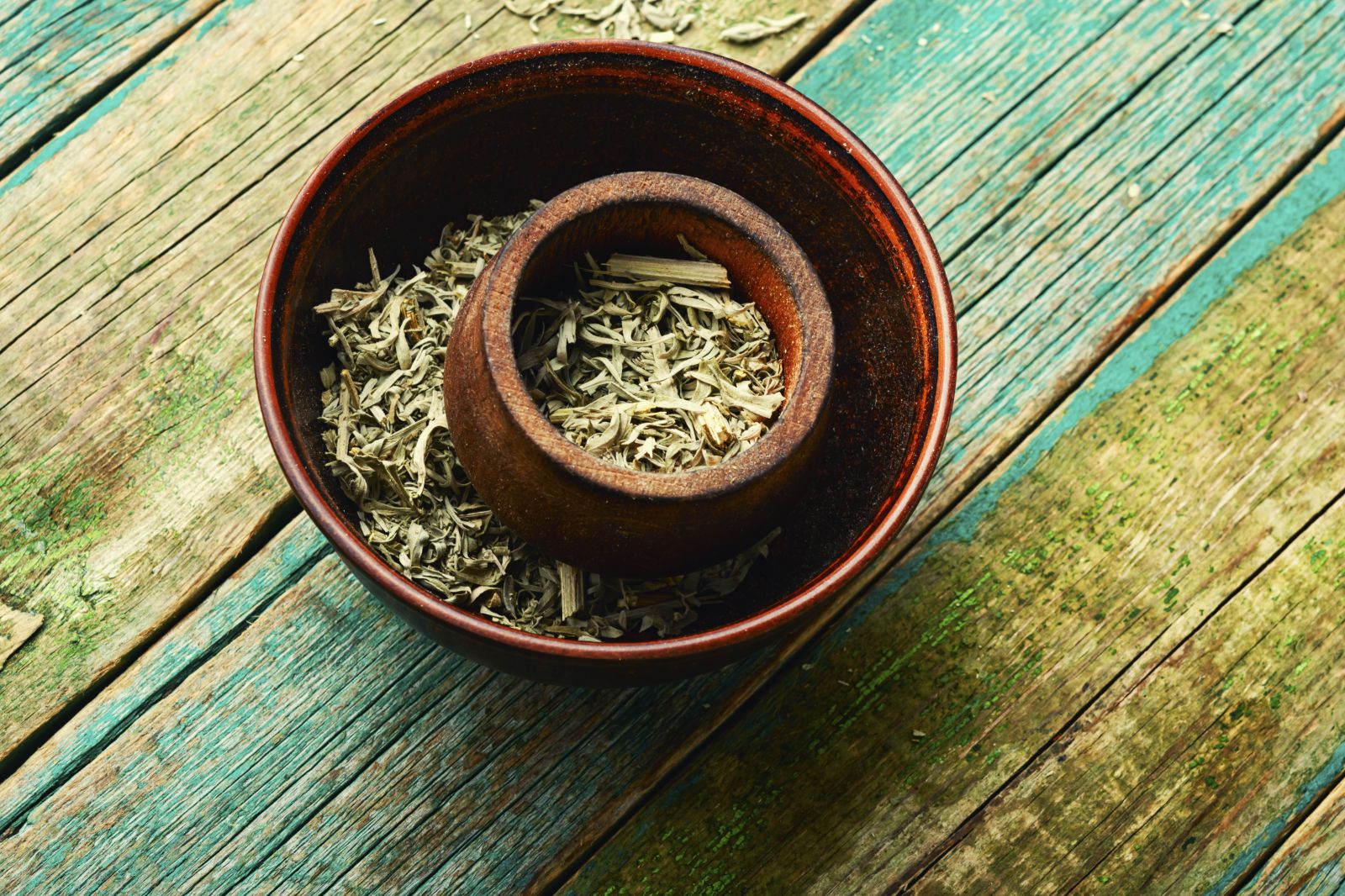
Before delving into its skincare advantages, let's get to know mugwort. Mugwort is an herbal plant akin to tea and has been a staple in Korean traditional medicine, skincare, and culinary traditions for generations. In Korean herbal medicine, mugwort is renowned for its warming properties, having been used for centuries to enhance blood circulation, alleviate muscle pain, and improve menstrual flow.
According to a dermatologist in Austin, USA, mugwort boasts antioxidant properties similar to vitamin C. Additionally, chemist and cosmetics expert Ginger King highlights its antibacterial and anti-inflammatory attributes, as well as its vitamin E content, which contributes to skin soothing and health.
Mugwort initially gained popularity in Korean skincare for its potential to treat dry skin, sensitive skin, and acne-related issues. This versatile ingredient is suitable for various skin types and concerns.
Beauty Benefits of Mugwort
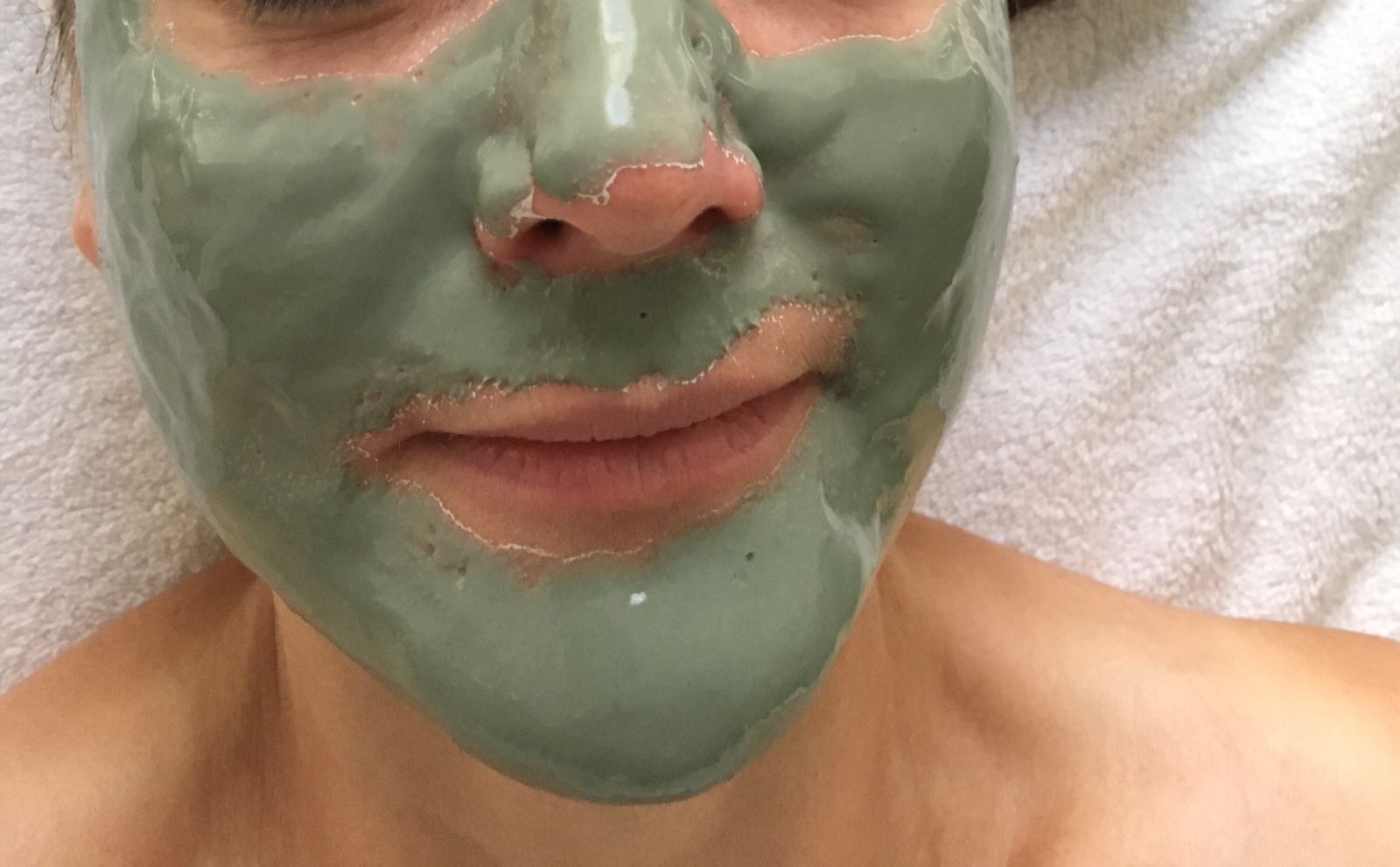
For those contemplating using skincare products infused with mugwort to address specific skin concerns, here are some benefits to consider:
-
Soothes Inflammation: Mugwort is well-documented for its anti-inflammatory properties. It can effectively alleviate skin irritation, redness, swelling, and acne-related inflammation. Its natural antibacterial qualities, including those found in tea tree oil, help combat acne-causing bacteria, making it a gentle and safe choice for sensitive skin.
-
Moisturizes the Skin: If you struggle with dry skin, mugwort might be an ideal ingredient for your skincare regimen. With its vitamin E content and Artemisia extract, mugwort provides hydration and helps prevent dryness. Well-hydrated skin is more resilient and appears smoother and radiant.
-
Acne Management: Vitamin E in mugwort aids in nourishing the skin through its antioxidant properties, neutralizing free radicals that contribute to acne. It also prevents sebum oxidation, which can lead to clogged pores. Additionally, the antibacterial elements in mugwort help deter acne-causing bacteria, such as Staphylococcus epidermidis and Propionibacterium acnes.
-
Relieves Eczema Itching: Antioxidants in mugwort stimulate the production of proteins like loricrin and filaggrin, which are crucial for maintaining skin structure. This strengthens the skin's defense against itching, benefiting those with eczema and allergies.
Read also :
Optimizing Mugwort Skincare
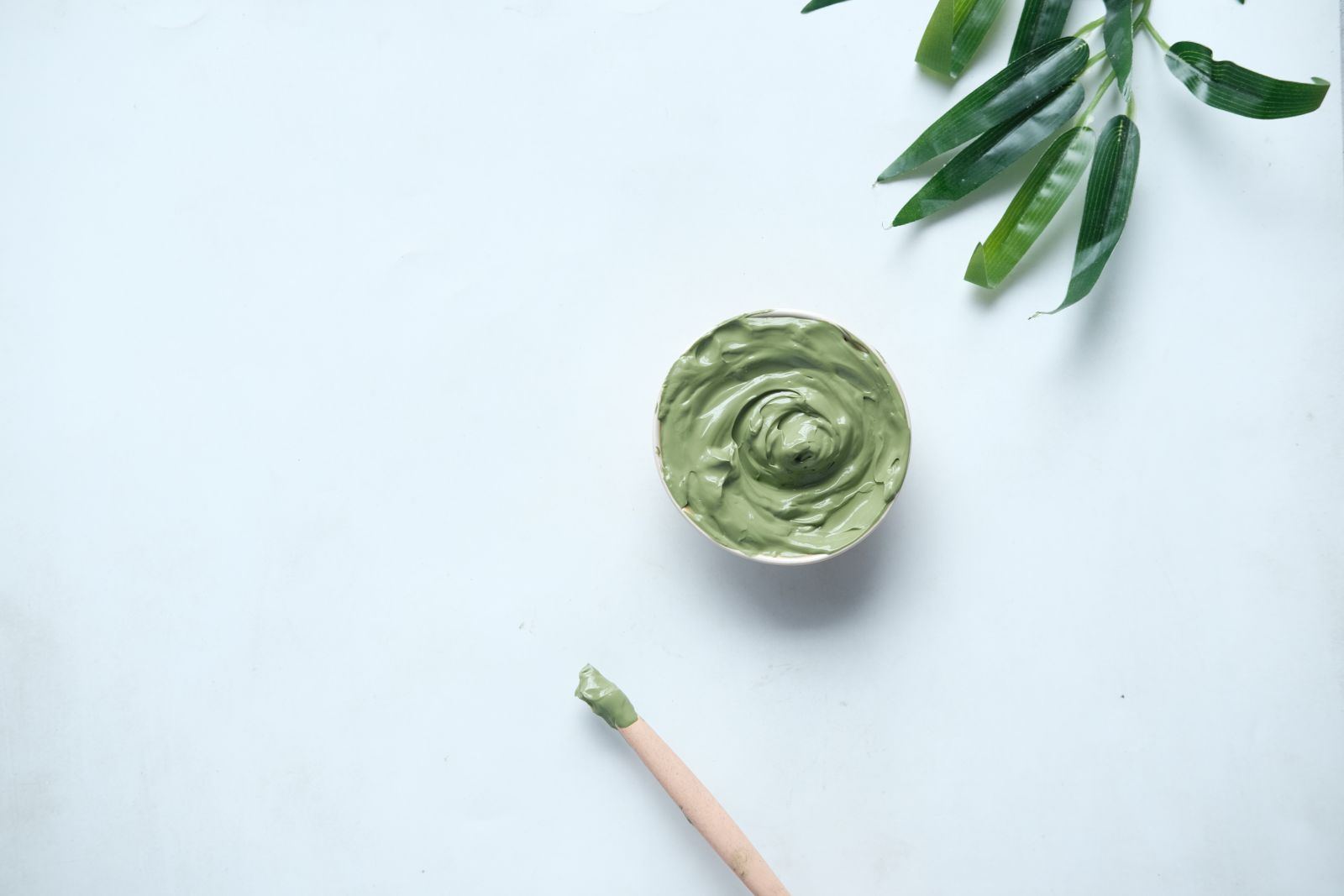
Mugwort is often found in skincare products like facial masks. To make the most of these mugwort masks, keep these tips in mind:
- Start with a clean face. Consider using the double cleansing method, especially after outdoor activities.
- Adhere to the recommended usage duration. Some masks may cause a tightening sensation, so be mindful of the application time.
- Consistency is key. Skincare yields gradual results, so follow the instructions consistently.
- Discontinue use if adverse effects occur. Skincare is a personal journey, and what works for one person may not suit another, even if you share similar skin issues.
- Before purchasing a product, consult reviews and conduct an allergy test on the skin behind your ear to avoid unwanted reactions.
Mugwort is a versatile and natural addition to your skincare routine. Its numerous benefits can help you achieve healthier and happier skin.