Acne is a common issue that many women associate primarily with the face. However, it can also make an unwelcome appearance in the vaginal area due to the skin's sensitivity. Vaginal acne is similar to acne on other parts of the body and is generally nothing to worry about. In this Fitie article, we'll explore what causes vaginal acne and provide prevention tips.
What is Vaginal Acne?
Before we delve into the details, it's essential to clarify what we mean by "vaginal acne." Acne, in general, is characterized by small red lumps that typically appear on the skin's surface. These blemishes occur when pores become blocked by oil, bacteria, or other substances. While acne is most commonly associated with the face, it can also develop in the vaginal area. Vaginal acne may appear on the vulva, labia, or other areas in the vicinity. Not to worry – this condition is relatively common and is usually not a cause for concern.
Acne in the vaginal area may be attributed to inflamed or irritated hair follicles, often as a result of activities like shaving, waxing, or wearing tight, damp underwear.
Causes of Vaginal Pimples
Acne typically occurs when pores are blocked. Hormonal changes can also contribute to the development of acne. Some common conditions that can lead to vaginal acne include:
-
Contact Dermatitis: This is a skin reaction that occurs when the vaginal area comes into contact with substances such as scented soaps, condoms or lubricants, feminine hygiene products, lotions, powders, perfumes, douches, tampons, sanitary napkins, sweat, urine, or vaginal discharge.
-
Folliculitis: Folliculitis is characterized by acne resulting from hair follicles becoming infected with bacteria. Shaving the pubic hair can sometimes cause hair to grow back into the skin, leading to irritation. Dull razors may also irritate due to cuts, bumps, and abrasions.
-
Hidradenitis Suppurativa: This is a chronic condition that affects sweat glands and can lead to acne-like lesions in the genital area.
-
Molluscum Contagiosum: This viral infection can cause pimples to develop anywhere, including the genital region. These pimples may persist for several months.
-
Sexually Transmitted Infections (STIs): Conditions like genital herpes (caused by the herpes simplex virus), genital warts (caused by human papillomavirus), and skin tags can sometimes manifest as pimples in the genital area.
 The sensitive skin of the vaginal area is very susceptible to irritation
Preventing Vaginal Acne
Preventing vaginal acne follows many of the same principles as preventing acne in other areas of the body. Some proactive measures to consider include:
- Avoid wearing tight pants or underwear, especially when you're sweating. Opt for breathable cotton or similar fabrics.
- If you prefer to cleanse the area, use a gentle, mild soap.
- Instead of shaving, trim your pubic hair with specialized scissors.
- During menstruation, change pads or tampons regularly.
- If you notice acne after switching soaps or detergents, consider returning to your previous product to allow your skin to readjust.
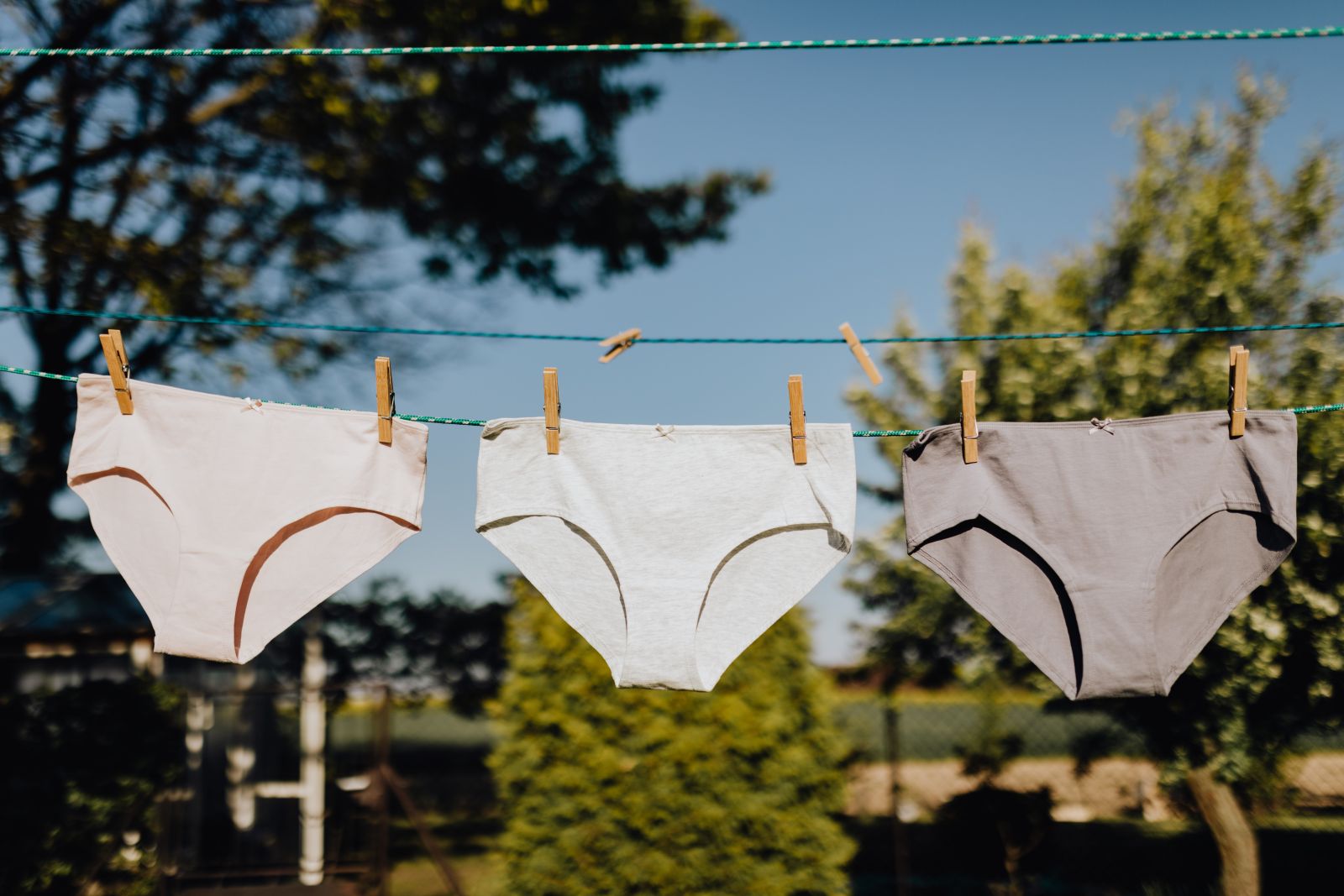
Wear breathable underwear
Vaginal acne can be similar in appearance to acne elsewhere on the body. These are typically small red bumps with a white tip. In more severe cases, they may become painful, swollen, or pus-filled. Remember, it's essential not to attempt to squeeze or pop them, as this can lead to skin sensitivity, discomfort, and the spread of bacteria. If you have concerns about vaginal acne, don't hesitate to consult with a healthcare provider. Fitie is here to provide you with expert guidance and support, ladies!