Choosing to use birth control is a personal decision. When the time comes to start a family, it's natural to wonder about your fertility and the potential impact of birth control. Some misconceptions exist that suggest using birth control may hinder your ability to get pregnant. However, it's crucial to understand that birth control doesn't harm fertility. In this article, we will provide a detailed explanation to address these concerns.
When Is the Right Time to Stop Birth Control?
The decision to discontinue birth control is a highly individual one and should align with your family planning goals. Are you ready to conceive, or do you prefer to wait a bit longer? If you're uncertain, there's no rush to stop contraception. Many women find themselves capable of becoming pregnant within one to two months after discontinuing birth control.
How Long Does It Take to Get Pregnant After Stopping Birth Control?
The time it takes to conceive can vary based on the type of birth control you are using. Here's a more detailed breakdown:
1. Birth Control Pills
If you were using combination birth control pills (estrogen and progestin), your chances of pregnancy usually return within 1 to 3 months after discontinuation. However, this timeframe can vary, and some women may take up to a year to conceive. Interestingly, research suggests that women who have taken birth control pills for 4-5 years may have higher fertility than those who used them for shorter durations. After stopping the pill, it typically takes around four weeks for your menstrual cycle to return to regularity. However, this period could extend, sometimes taking up to three months to fully recover. Factors such as your menstrual cycle, age, and overall health can influence this duration.
2. Intrauterine Device (IUD)
Women who've had an IUD removed typically start ovulating about one month after removal. In most cases, conception occurs within 6 months to 1 year, although some women may become pregnant immediately upon IUD removal.
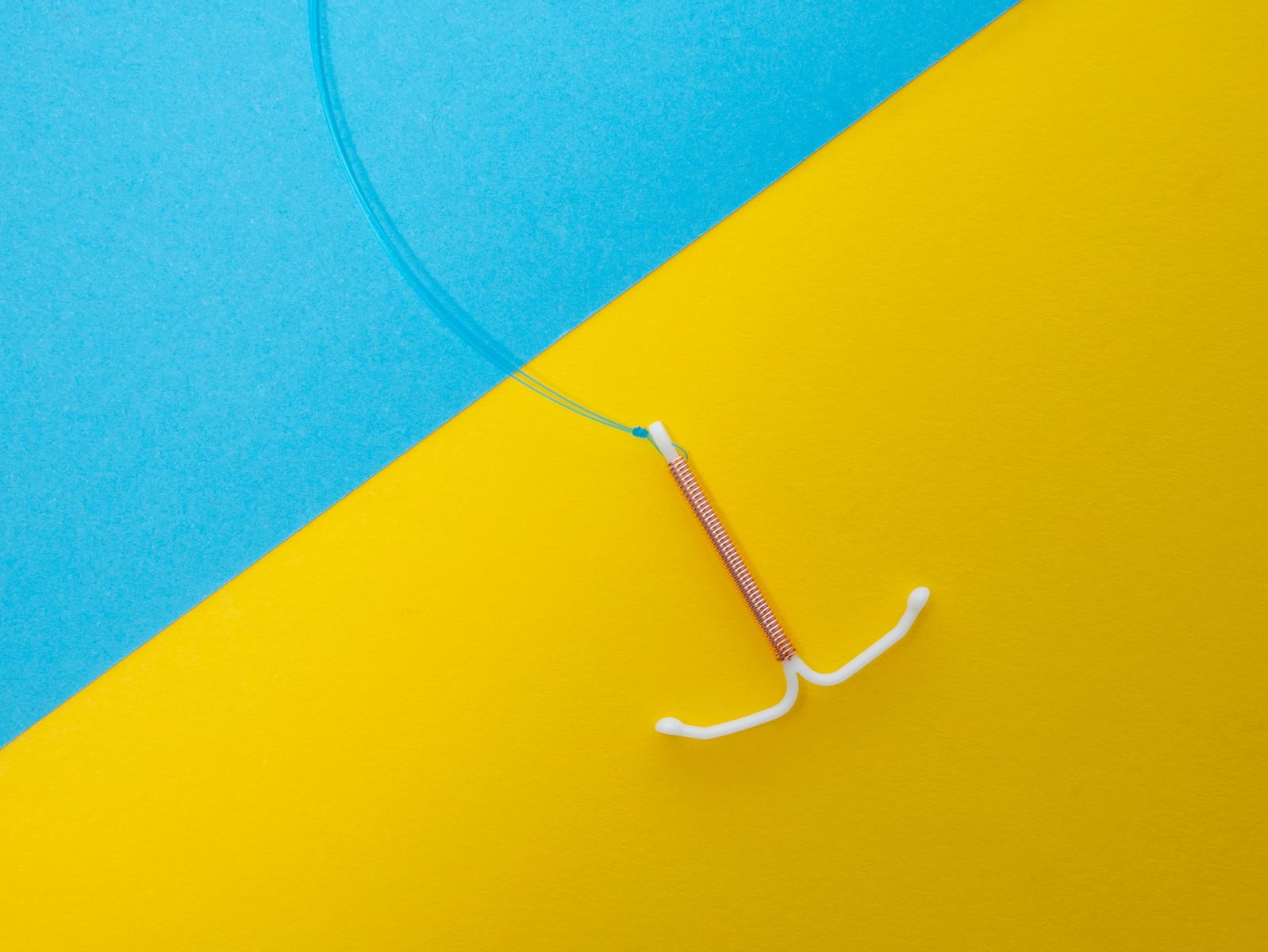 It takes 6 to 1 year to get pregnant again after removing the IUD
3. Birth Control Patch
The birth control patch, which contains hormones and is worn on the skin, can lead to immediate pregnancy after cessation, though it might take some time for your menstrual cycle to normalize.
4. Birth Control Implant
The contraceptive implant, a thin rod placed in the arm, often leads to immediate fertility restoration upon removal. Some women might conceive as soon as a week after the removal of the implant. While most women return to ovulating with a typical cycle within the first month, it takes some time for the menstrual cycle to regulate fully.
5. Vaginal Ring
After discontinuing the vaginal ring, most women can become pregnant within 1 to 3 months. However, the duration might be longer for some individuals.
 Women can become pregnant again within 1-3 months after removing the vaginal ring
6. Injectable Birth Control (Depo-Provera)
Injectable birth control is typically administered every three months to prevent ovulation. It takes around 15 weeks for the contraceptive effects to wear off. Ovulation can occur after 10 months or longer, with menstrual cycles returning to normal within approximately 18 months. To ensure a timely conception, it's advisable to work backward from your desired pregnancy timeframe.
Ovulation can occur after stopping birth control, even if your menstruation has not yet resumed. It's important to note that ovulation holds more significance than menstruation regarding fertility. Should you have concerns or further questions, don't hesitate to consult a healthcare professional. You can even opt for an online consultation with a doctor at Fitie.
Remember, the decision to discontinue birth control should align with your family planning goals, and there's no need to rush the process. Your well-being and readiness are of paramount importance!