Fear is a natural part of life, but when the fear of childbirth becomes overwhelming, it can lead to a condition called tokophobia. This extreme fear can be a barrier to starting a family. In this Fitie article, we'll explore tokophobia, its different forms, symptoms, causes, diagnosis, and ways to overcome it.
Understanding Tokophobia:
Tokophobia is an intense and often irrational fear of giving birth. This fear can be so paralyzing that it deters some women from even considering pregnancy. There are two primary types of tokophobia: primary (affecting women who have never been pregnant) and secondary (arising from traumatic experiences during pregnancy or childbirth).
Tokophobia can be intertwined with other specific fears, including the fear of pain (algophobia), fear of being touched (haphephobia), fear of doctors (latrophobia), fear of hospitals (nosocomephobia), fear of children (pedophobia), fear of weight gain (obesophobia), fear of death (thanatophobia), and fear of needles (trypanophobia).
Symptoms of Tokophobia:
Fear, especially when extreme, can profoundly impact thoughts and behaviors. In the context of tokophobia, many women experience depression and anxiety. Common symptoms and behaviors associated with this condition include:
- Avoiding sexual relations.
- Feeling emotionally detached from the unborn baby.
- Not experiencing happiness or joy about the pregnancy.
- Keeping the pregnancy a secret.
- Feeling disconnected from one's partner.
- Considering caesarean section as an alternative to vaginal birth, even when the latter is possible.
- Contemplating abortion or adoption.
Causes of Tokophobia:
Tokophobia can have various triggers, including past experiences of sexual assault or harassment, anxiety about vaginal childbirth, hearing distressing childbirth stories, discomfort with medical examinations involving the genital area, concerns about potential complications during childbirth, and apprehensions about the lifestyle changes parenthood brings.
Diagnosing Tokophobia:
Self-diagnosis is not advisable when it comes to tokophobia. Healthcare providers should make this diagnosis. For women who are not pregnant, discussions about contraception and family planning often serve as opportunities to address concerns.
During pregnancy, routine prenatal examinations may involve questions related to mental health. It is crucial to respond honestly to these inquiries to receive appropriate support.
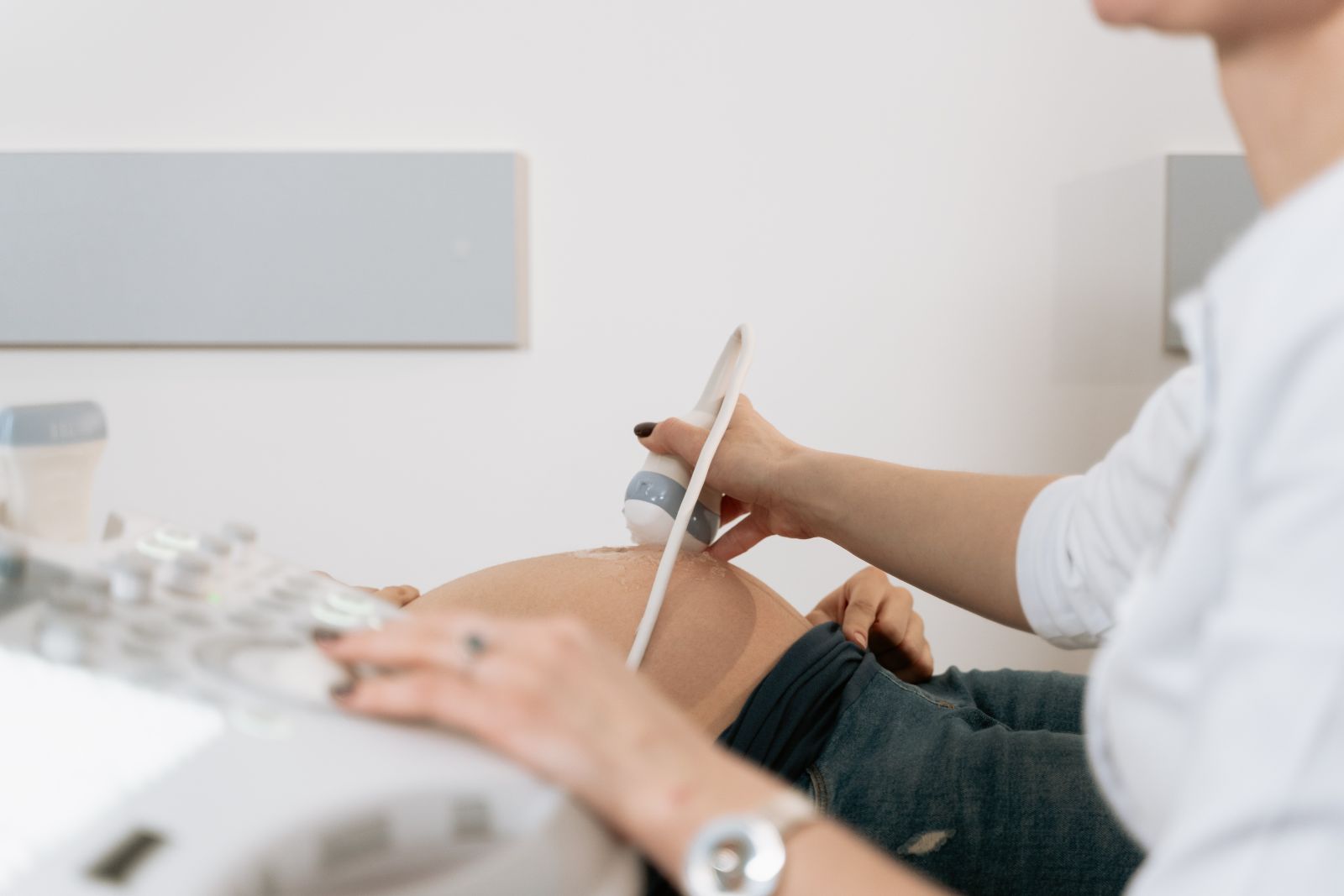
Talk to your obstetrician about any concerns that arise
Managing Tokophobia:
Cognitive Behavioral Therapy (CBT) is commonly used to address tokophobia. CBT helps individuals identify the factors that trigger their fears and provides strategies for coping with these fears healthily. Additional therapeutic approaches may include antidepressants to regulate mood, hypnotherapy to explore and manage subconscious fears, and stress-reduction techniques like meditation and yoga.
Open communication with close friends and family can offer valuable emotional support. Planning and discussing birthing options, such as pain management and relief, is also crucial. Seeking reliable and non-frightening information about the childbirth experience can help demystify it. Consider attending prenatal support classes to learn techniques for managing labor pain and explore birthing facilities to familiarize yourself with the environment.

Discuss feelings with those closest to you to get support
Tokophobia, or the fear of childbirth, is a legitimate concern that should not be hidden or ignored. Seeking professional help to address and alleviate these fears is essential. Avoid self-diagnosis and engage in open conversations with healthcare providers and support networks to ensure a healthy and fulfilling pregnancy and childbirth experience. For more informative articles, explore Fitie!