For women who've undergone a tubal ligation procedure as a form of permanent contraception, there's an option to reverse it. This procedure can offer hope to those who initially thought pregnancy was no longer possible. However, deciding to pursue a tubal ligation reversal is a significant choice that should be made after consulting with a healthcare provider. In this Fitie article, we'll delve into the details of tubal ligation reversal, helping you make an informed decision.
Tubal ligation, a permanent sterilization procedure that prevents pregnancy by tying the fallopian tubes, was once considered irreversible. However, advancements in medical science now allow for the reversal of this procedure, known as tubal ligation reversal or tubal reanastomosis. This surgery aims to reconnect and reopen the previously severed fallopian tubes. This, in turn, reestablishes the pathway for egg and sperm cells to meet, facilitating fertilization and enabling a woman to become pregnant again.
Who Can Consider It?
The success rate for getting pregnant again after a tubal ligation reversal can range from 50% to 80%. Several factors influence the likelihood of success, including:
- Type of tubal ligation surgery: Certain types of tubal sterilization are more amenable to reversal.
- Condition of the fallopian tubes: The procedure is most successful when a significant portion of the fallopian tubes remains healthy.
- Age: Success rates are highest for women under 35 (70-80%) and decrease with age, dropping to 30-40% for those aged 40 and over.
- Body mass index (BMI): Overweight or obesity may affect the procedure's success.
- Other health conditions: Conditions like irregular periods, uterine fibroids, endometriosis, autoimmune disorders, and fertility issues can impact the chances of success.
- Fertility and partner's sexual health: Existing fertility problems or issues with partner's sperm can influence candidacy for this surgery.
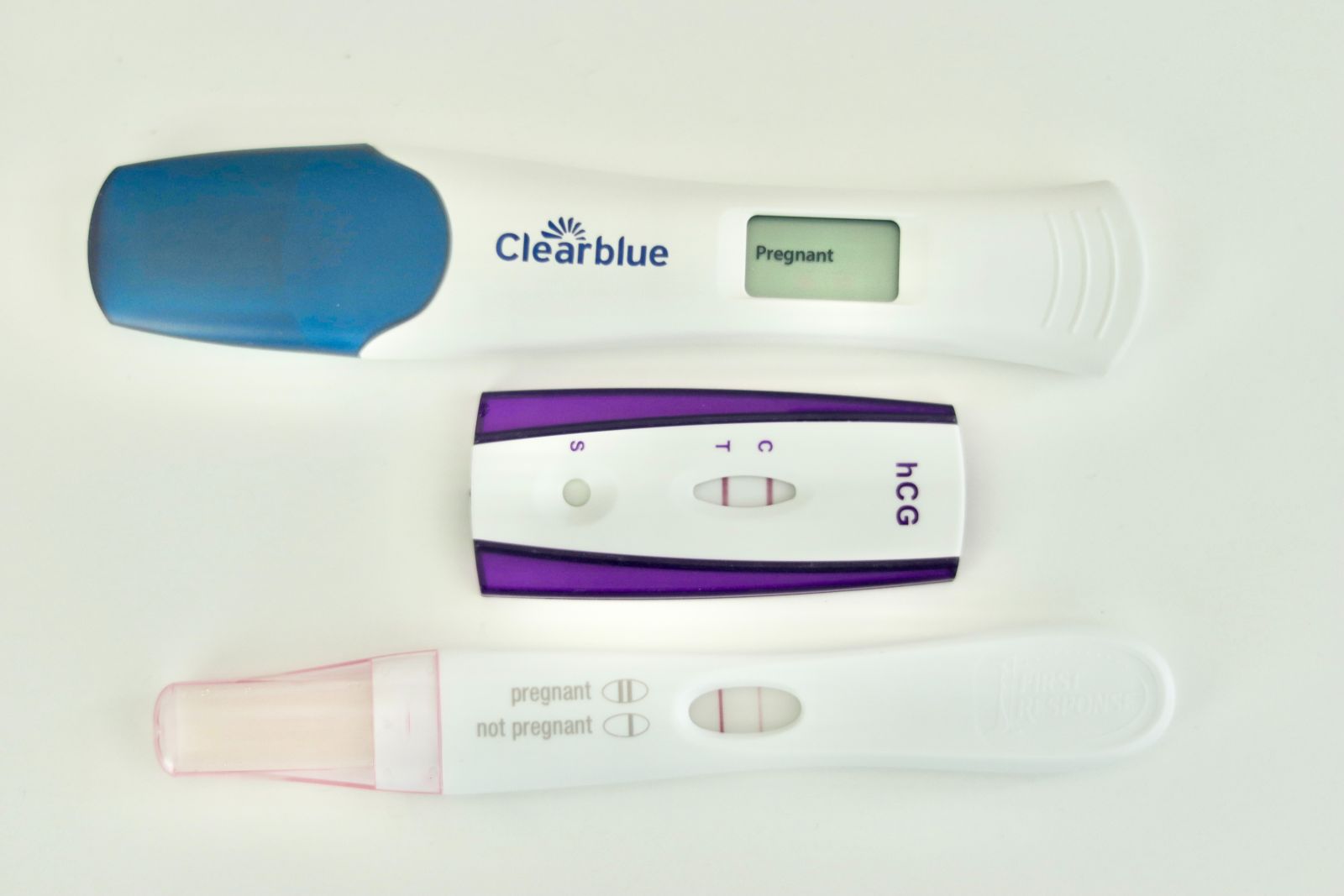
Success in getting pregnant again after tubal ligation reversal reaches 80%
The Procedure:
The tubal ligation reversal procedure involves three key stages:
1. Preparation:
- Comprehensive assessment of medical history, including details of previous pregnancy, the type of tubal ligation, and any pelvic surgeries.
- Semen analysis to evaluate the quantity and quality of partner sperm.
- Additional tests, such as blood analyses and imaging procedures, are based on prior medical history and test results.
- Providing medical reports from the tubal ligation procedure and pathology reports if applicable.
2. Implementation:
- A small incision is made, and a laparoscope (a tiny camera) is inserted into the abdomen.
- Examine the fallopian tubes' health and length to assess whether the procedure is viable.
- If the tubes are healthy and reversal is possible, surgery is performed. This typically takes 2 to 3 hours under anesthesia.
- The fallopian tubes are reconnected using sutures, and dye is injected to confirm the reconnection's success.
- Dissolvable stitches are used, and a bandage covers the surgical scar.
3. Recovery:
- Post-surgery, pain, nausea, and vomiting medications are prescribed.
- Patients can shower after 48 hours but should avoid rubbing the incision, heavy lifting, and sexual activity.
- Follow-up appointments are necessary to monitor recovery.

Tubal ligation reversal surgery is performed laparoscopically
Tubal ligation reversal provides an opportunity to restore fertility and potentially conceive after sterilization. It is a significant decision that depends on multiple factors. Consulting a healthcare provider is vital to determine candidacy and to understand the procedure's implications fully. If you have further questions, don't hesitate to use Fitie's online consultation service for guidance.