Childbirth is a momentous event that evokes lifelong memories. Each mother's journey is unique, with different experiences. Many mothers aspire to have a vaginal delivery. But what exactly is vaginal birth like? Let's explore the details together in this Fitie article.
What is Vaginal Delivery?
Vaginal delivery involves giving birth through the birth canal, making it the most common delivery method. This process includes cervix dilation and pushing the baby through the vagina. Typically, vaginal delivery occurs between 37 to 42 weeks of gestation and comes in several forms:
- Spontaneous vaginal delivery (happens naturally without medical intervention)
- Induced vaginal delivery (induced with medications or techniques to start labor and prepare the cervix)
- Assisted vaginal delivery (assisted by vacuum devices to aid in baby's expulsion)
Stages of Vaginal Delivery:
Vaginal delivery comprises three distinct stages, each with its characteristics:
1. Labor:
This initial stage of labor commences with uterine contractions and progresses until reaching 10 cm of cervical dilation. Early labor marks the start, characterized by contractions and cervical dilation up to 5 cm. As labor intensifies, active labor follows, featuring strong, lasting contractions every 1 to 3 minutes. The transitional labor phase is the brief, rapid period just before reaching 10 cm dilation, often accompanied by sweating, vomiting, or tingling sensations.
2. Birth:
This stage begins upon achieving full cervical dilation and concludes with the baby's birth through the vagina. The mother experiences powerful contractions and a sensation akin to needing to defecate. Nurses typically guide the pushing process, which can last minutes to hours, with shorter durations common for experienced mothers.

The mother has to push so that the baby can be born more quickly
3. Delivering the Placenta:
After the baby's vaginal birth, the placenta and amniotic sac that supported the pregnancy remain in the uterus. This stage begins once the baby is born, either spontaneously or within 30 minutes, and ends when the placenta is delivered. The mother is asked to push to facilitate placenta removal, though the intensity of contractions is milder than during the baby's birth.
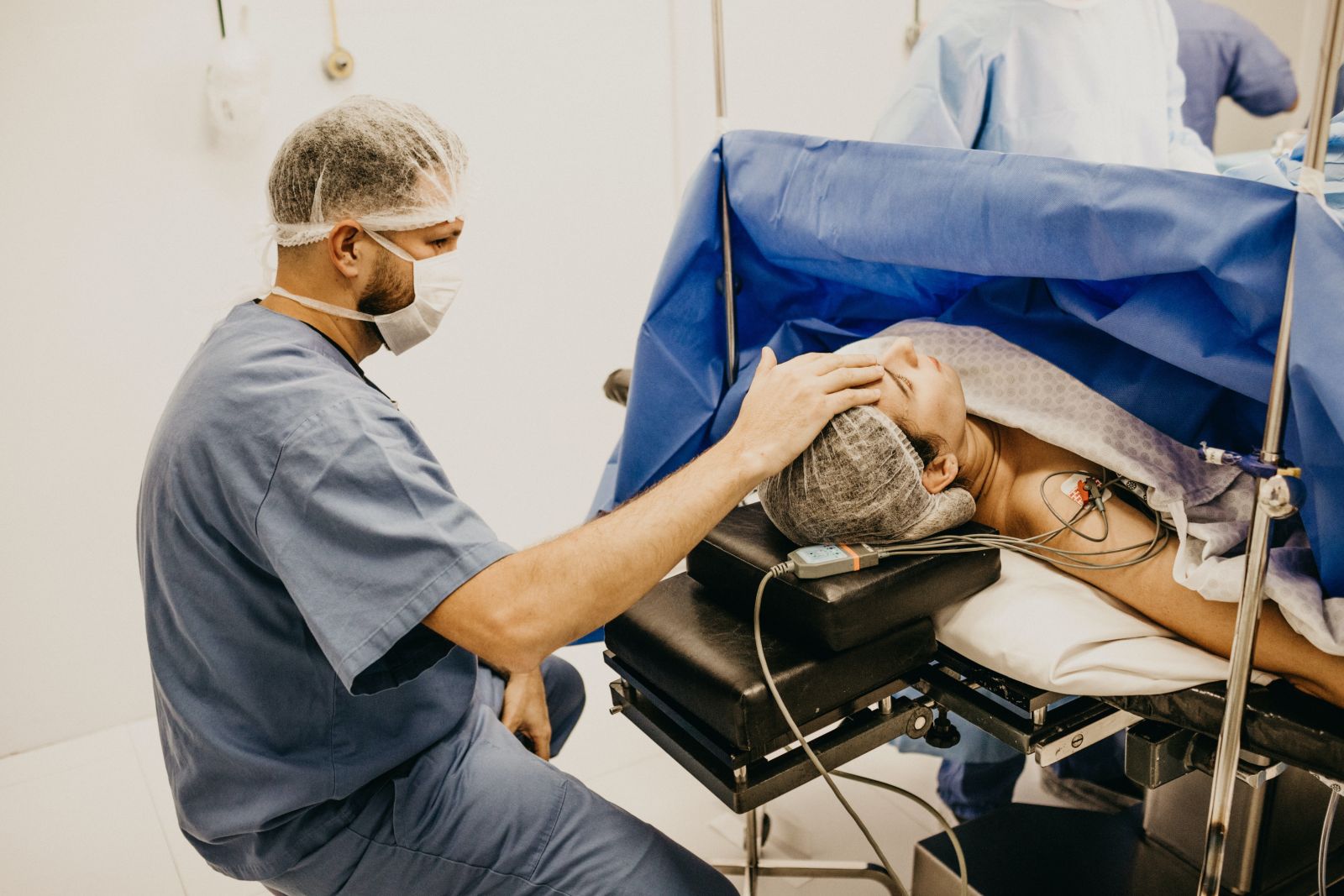
After the baby is born, the placenta must also be removed from the uterus by pushing
Benefits of Vaginal Delivery:
Vaginal birth offers various advantages for both mothers and babies. For mothers, it entails a shorter recovery period, early initiation of lactation, and a reduced risk of future pregnancy complications. Babies benefit from an enhanced immune system, decreased respiratory issues, and a higher likelihood of successful breastfeeding.
Risks and Situations to Avoid Vaginal Delivery:
While the risks of vaginal delivery are generally lower compared to cesarean sections, complications can occur. These complications may encompass difficulties in cervix dilation, irregular fetal heartbeats, bleeding, vaginal tears, blood clots in the legs or pelvic region after delivery, or postpartum preeclampsia.
In specific scenarios, vaginal delivery should be avoided to ensure the safety of both the mother and baby. These situations include a breech baby position, placenta previa (placental issues), untreated infections, genital herpes lesions, and chronic health conditions.
These insights into vaginal birth are invaluable, particularly for expectant mothers. Understanding its three stages—labor, birth, and placental delivery—can help prepare for the journey. Despite the occasional discomfort, the benefits are significant, and the risk of complications is relatively low. If you have more questions, Fitie offers an online consultation service to address your concerns, ladies!