Instilling good manners in children from an early age is a crucial foundation for shaping their character and personality. By familiarizing them with good manners early on and encouraging consistent application in their daily lives, we pave the way for them to become both liked and respected individuals in their future environments.
Politeness holds significant importance in social and cultural spheres. Teaching children good manners contributes to the development of positive character traits. When children grasp the essence of good manners and incorporate them into their daily interactions, they naturally evolve into appreciated and respected individuals.
Tips for Teaching Good Manners to Children
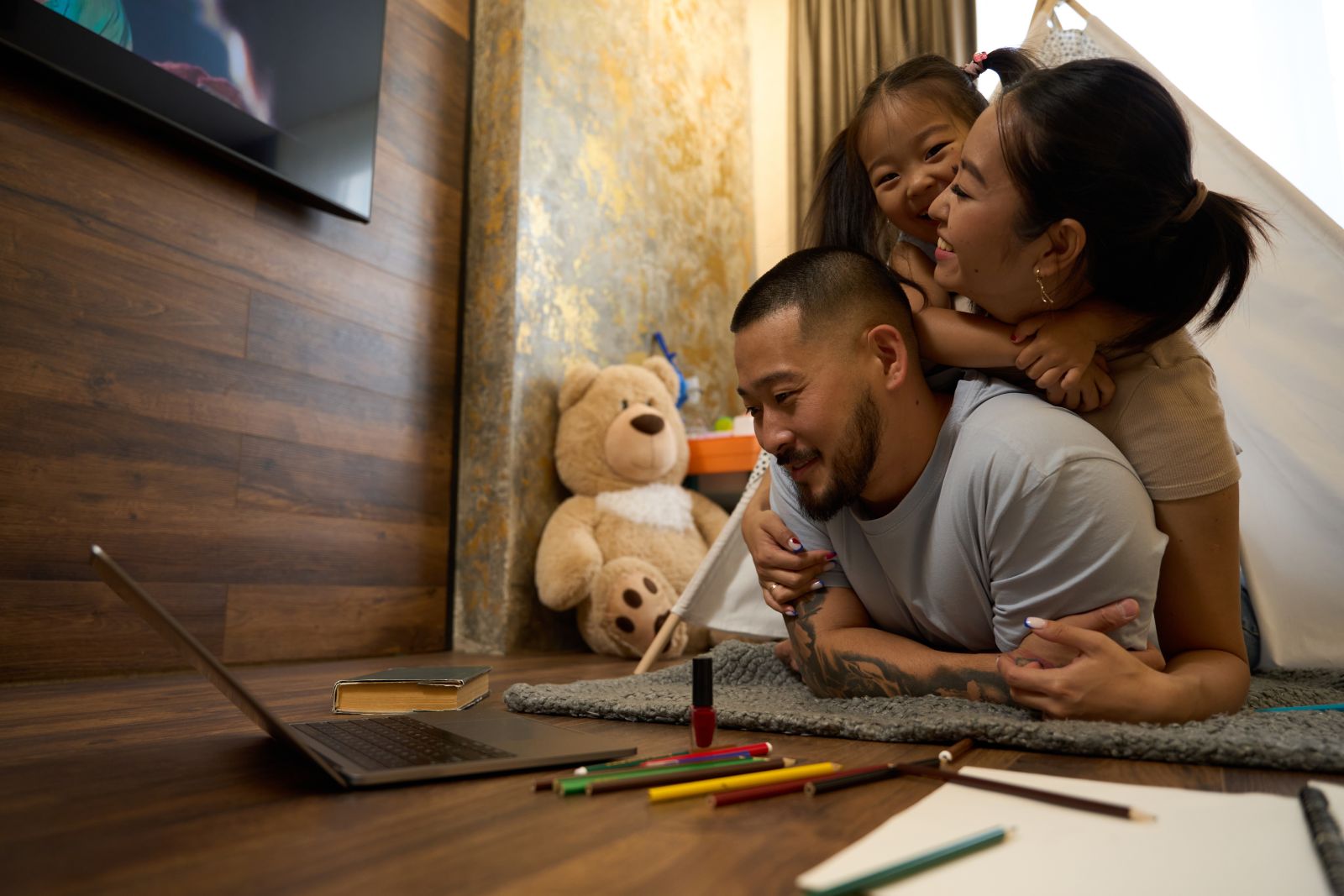
1. Set a Good Example:
Exemplifying good manners is paramount as a parent or caregiver. Demonstrate polite communication and respect, especially when engaging with adults. Avoid using harsh language or displaying rudeness in the presence of your child.
2. Speak Politely:
Instill the habit of polite speech in children. Teach them to use please, sorry, thank you, and excuse me. Clarify that speaking politely reflects respect and makes others feel valued.
3. Appreciate Differences:
Foster a sense of tolerance and appreciation for diversity in children. Instruct them not to discriminate against others based on religious, racial, or cultural differences.
4. Be Friendly:
Encourage children to display friendliness, particularly when meeting new people. Teach them the art of friendly greetings, smiling, and speaking courteously.
5. Maintain Etiquette in Eating:
Cultivate good manners during meals. Teach children to sit properly, use cutlery correctly, and chew food calmly. Emphasize the importance of not making sounds while eating or speaking with a mouth full.
6. Maintain Etiquette in Dressing:
Stress the significance of dressing appropriately. Guide children on dressing neatly and politely, especially in formal settings or during specific events.

Read also :
Read also :
7. Establish Politeness Rules:
Create simple and understandable rules at home to reinforce good manners. Rules could include refraining from hitting or bothering others and avoiding harsh speech. Clearly explain the consequences of breaking these rules.
Teaching good manners to children requires time and patience. Consistently setting a good example and offering praise when children display polite behavior are essential aspects of the teaching process. Through ongoing guidance, children can grasp the value of good manners, incorporating them seamlessly into their lives.