Did you know that babies can actually swim from the moment they're born? It turns out they have an instinct to float and move in the water, making swimming a joyful and beneficial activity for our little ones.
Baby and Water: A Perfect Match
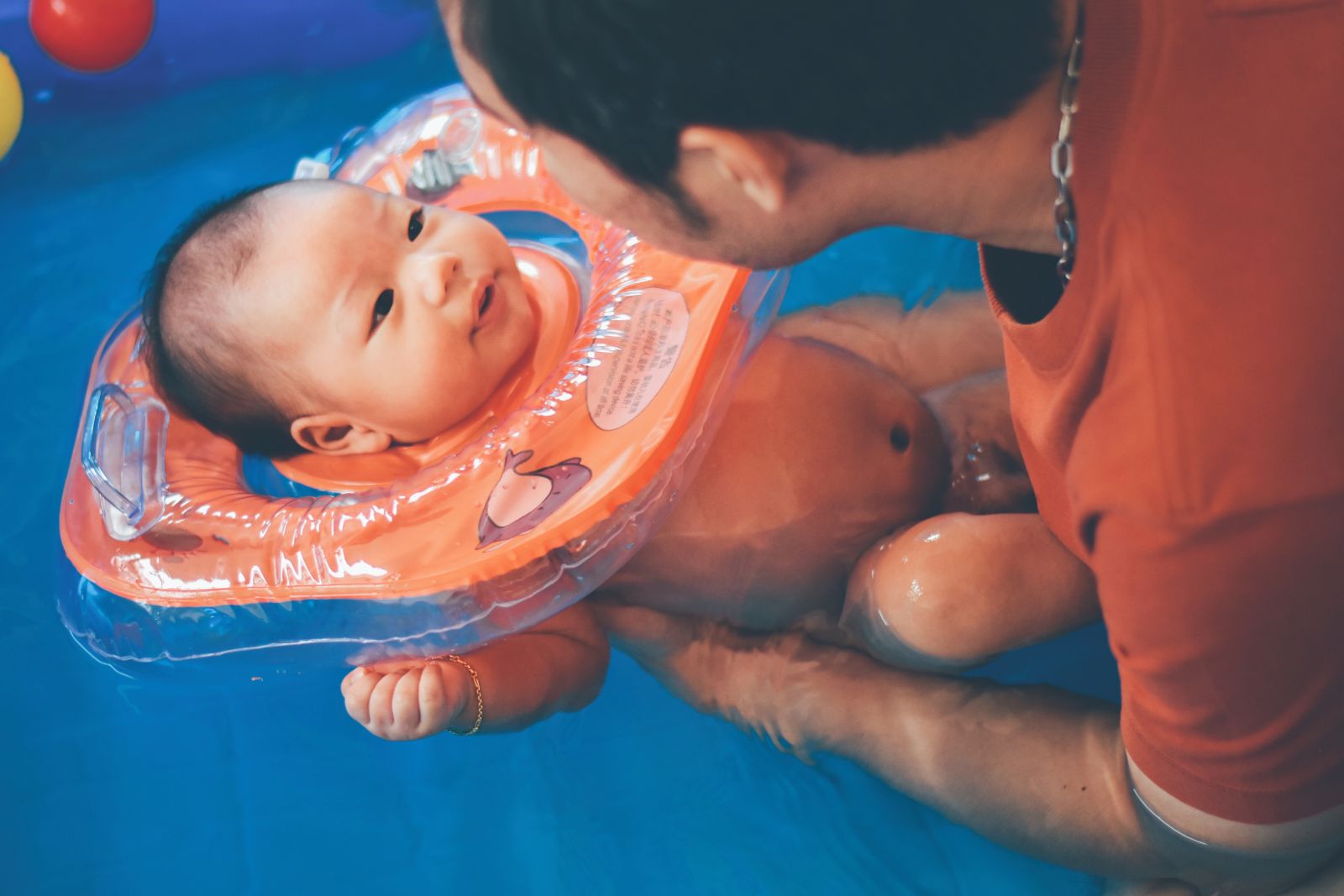
Babies have a unique ability to swim right from birth. Their instinctual capacity to float and move in water is a fascinating aspect of their early development.
- Swimming Boosts Motor Development: Engaging in swimming can significantly contribute to a baby's motor skills and overall body coordination. The gentle movements in water support muscle development, providing a natural environment for them to enhance their physical abilities.
- Warm Water is the Key: When it comes to baby swimming, the water temperature matters. Ensure that the water is comfortably warm, ideally between 32-36 degrees Celsius. This is crucial for both the baby's comfort and maintaining their body temperature.
- Building Confidence Through Swimming: As babies learn to navigate the water, they not only develop physical skills but also gain a boost in self-confidence. Overcoming the initial fears and becoming more independent in the water contributes positively to their overall confidence.
- No Rush for Newborns: While there are trends around teaching newborns to swim, it's essential to note that immediate introduction isn't a must. Newborns can start with water activities in a spacious bathtub before transitioning to larger swimming spaces.
- Consult the Pediatrician: Before embarking on your baby's aquatic adventures, consult your pediatrician. This step ensures that your baby is ready for swimming and doesn't have any medical conditions affecting their ability to enjoy the water.
Pre-Swim Checklist
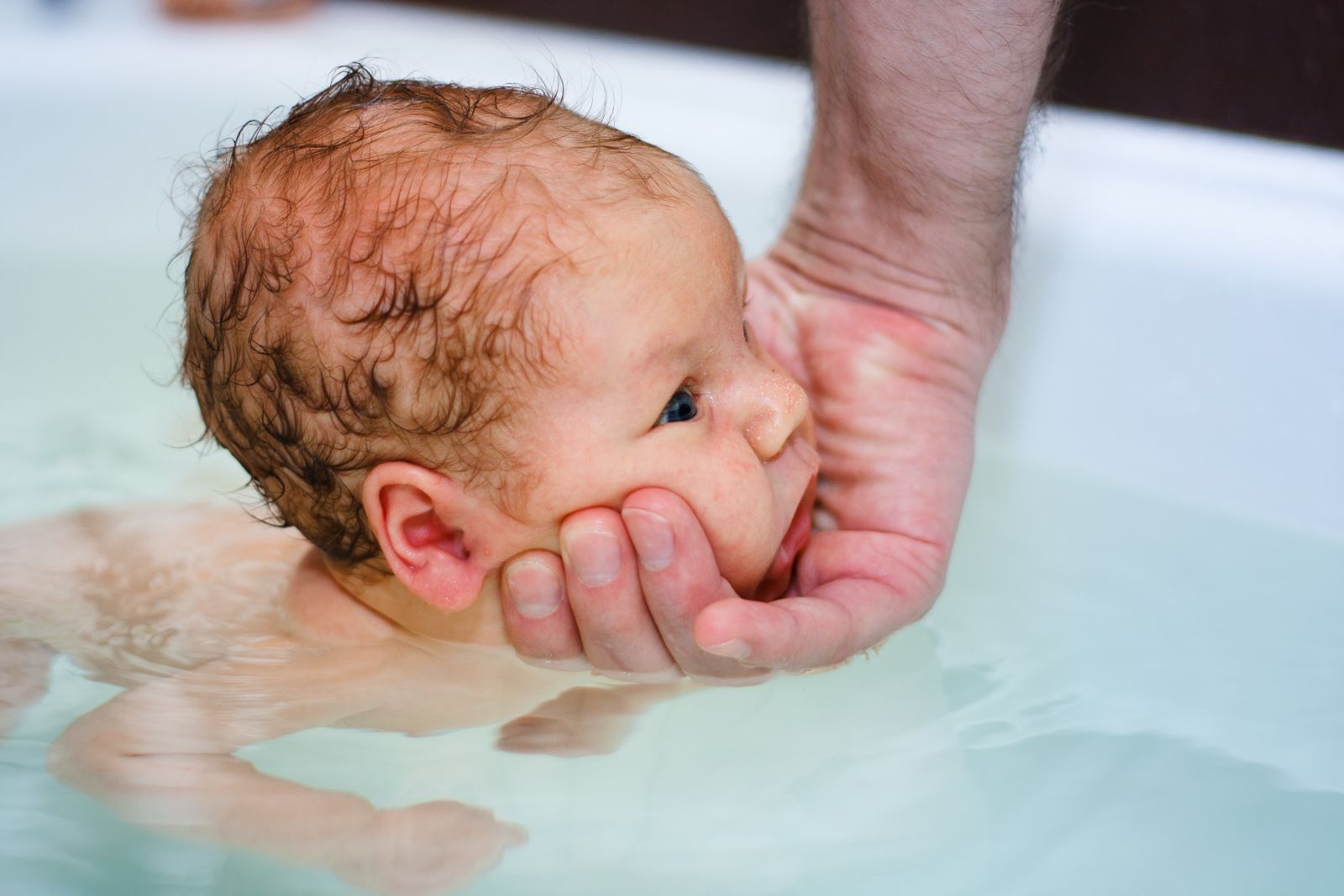
1. Age Matters: Wait until your baby is at least six months old and can sit up independently with good head control.
2. Health Check: Skip the swim if your baby is sick or dealing with an infection.
3. Choose the Right Pool: Opt for shallow, warm pools that have been tested and are proven safe and clean.
4. Proper Gear: Invest in suitable baby swimwear and leak-resistant swimming diapers.
Read also :
5. Supervision is Key: Always have a responsible adult close by, ensuring the baby is within arm's reach.
6. Watch for Signs: Keep an eye out for signs of fatigue or discomfort, and promptly take your baby out of the water if needed.
7. Post-Swim Care: Thoroughly clean and dry your baby after swimming to prevent skin infections.
While swimming brings joy and developmental benefits to babies, safety remains the top priority. Pay close attention to your baby's well-being during swim sessions, and don't hesitate to reach out to your doctor if you have any concerns. Dive into the world of baby swimming with confidence!