Toilet training, a crucial milestone for kids, can be challenging but is an essential part of their development. This process not only grants children independence from diapers but also lightens the load for parents. Here are some easy-to-follow tips to make toilet training smoother for your child.
Tips for toilet training your child
1. Choose the Right Time
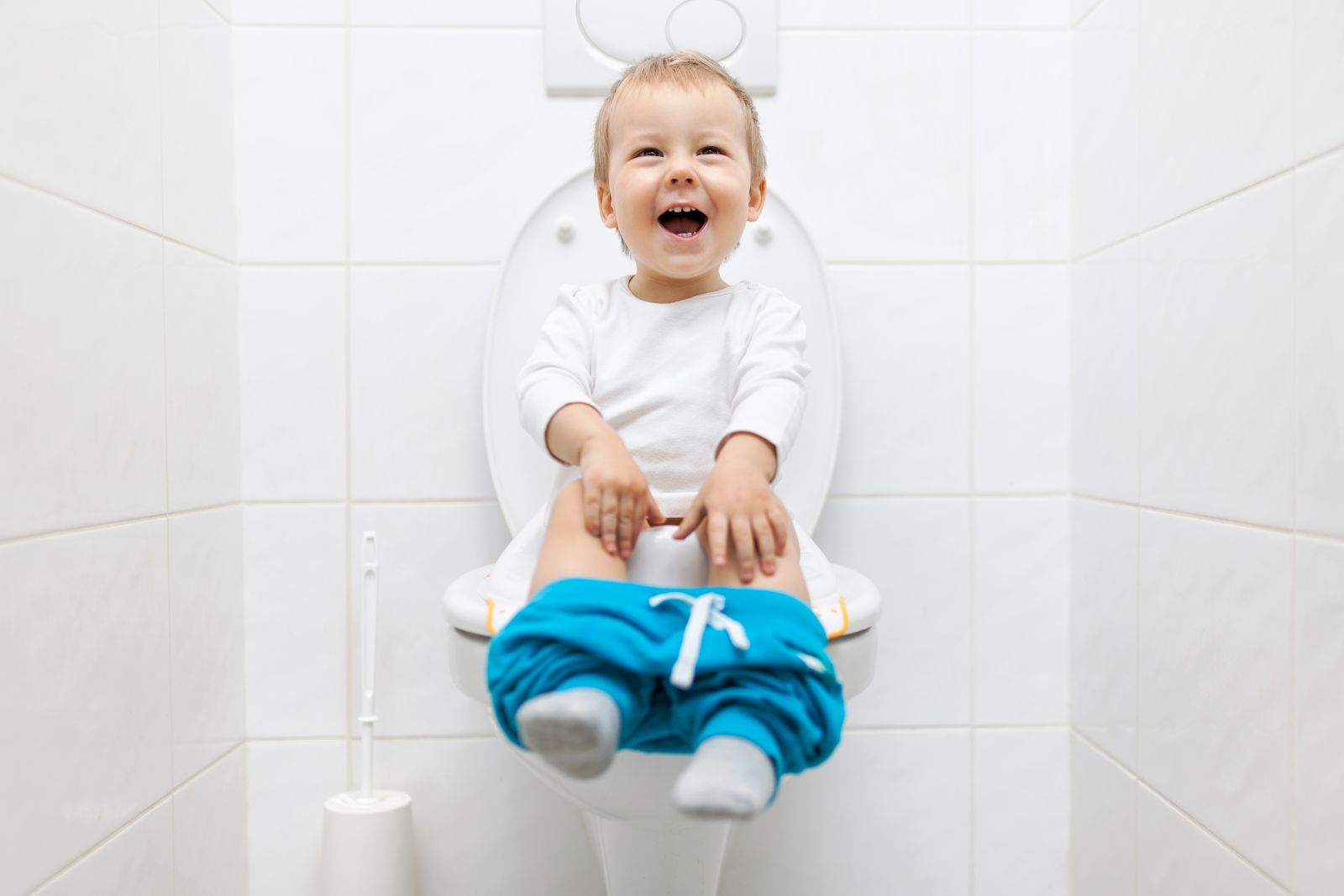
Select the right time to initiate toilet training, ideally around 18-24 months. Ensure your child is both emotionally and physically prepared, avoiding any pressure to start the process. Every child is unique, so respect their readiness.
2. Introduce the Toilet
Familiarize your child with the toilet by showing it regularly. Let them understand the door handle's function but refrain from forcing them to sit on it. A gentle introduction helps them become comfortable with the idea.
3. Buy Appropriate Toilet Equipment
Invest in child-friendly toilet equipment, such as a comfortable and secure children's toilet seat or an adjustable toilet cover with their favorite color or character. Making the toilet visually appealing can pique their interest.
4. Teach Control of Bodily Functions
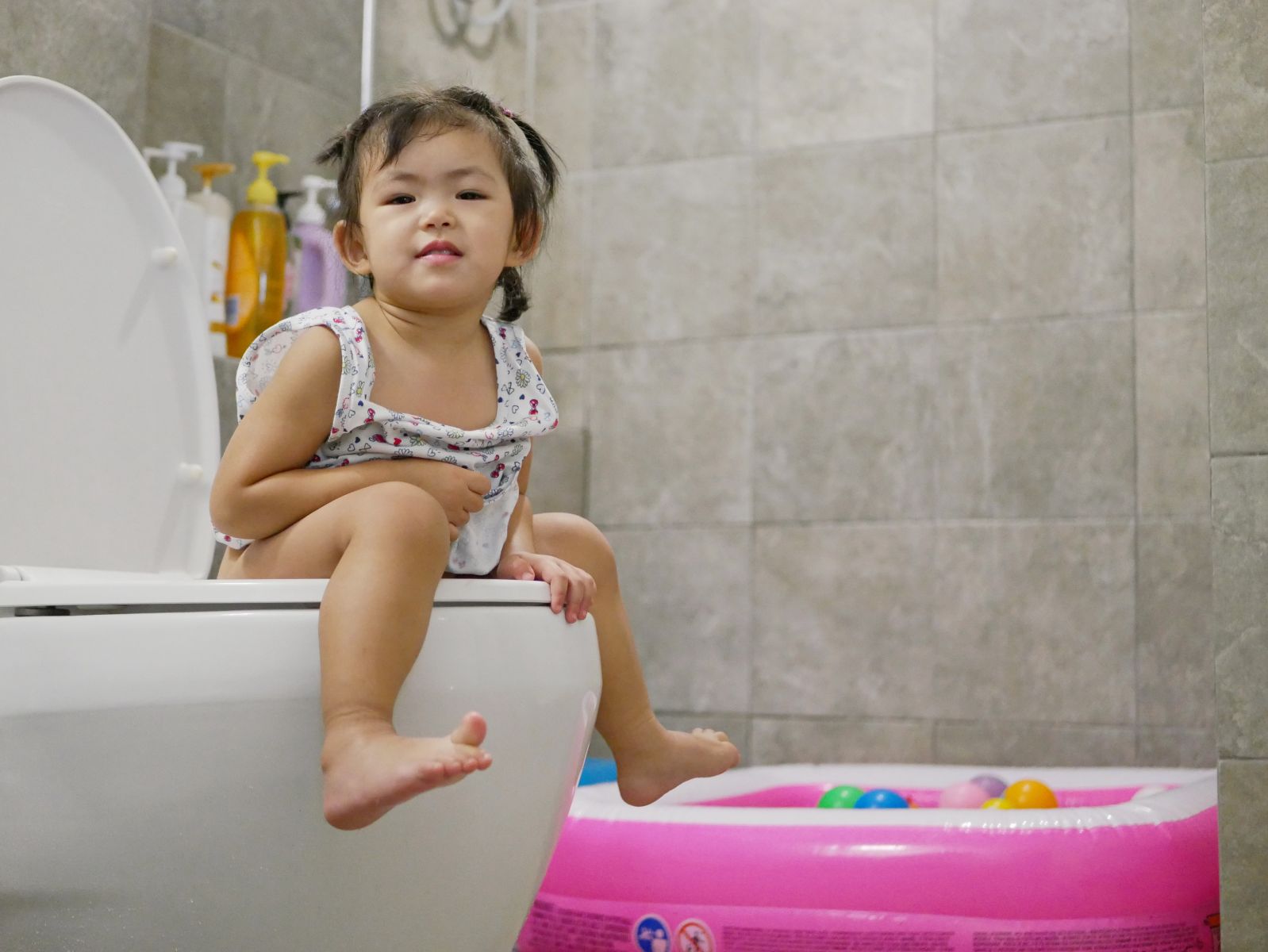
Educate your child on recognizing signals for bowel movements and urination. Encourage them to understand when they need to go and provide positive reinforcement, such as rewards or praise when they successfully use the toilet.
5. Use Praise and Reward Methods
Motivate your child by using praise and rewards when they accomplish using the toilet. Positive reinforcement fosters enthusiasm and willingness to continue trying. Tailor rewards to suit your child's preferences.
6. Be Patient and Consistent
Patience is key in the toilet training journey. Never force your child to use the toilet if they're not ready. Maintain a consistent approach and gentle reminders to encourage regular toilet use.
Read also :
In conclusion, toilet training is a significant step in your child's development. Beginning at the right time, employing suitable equipment, and using positive reinforcement can make the process more enjoyable. Remember, each child progresses differently, so patience and consistency are essential in this learning journey.