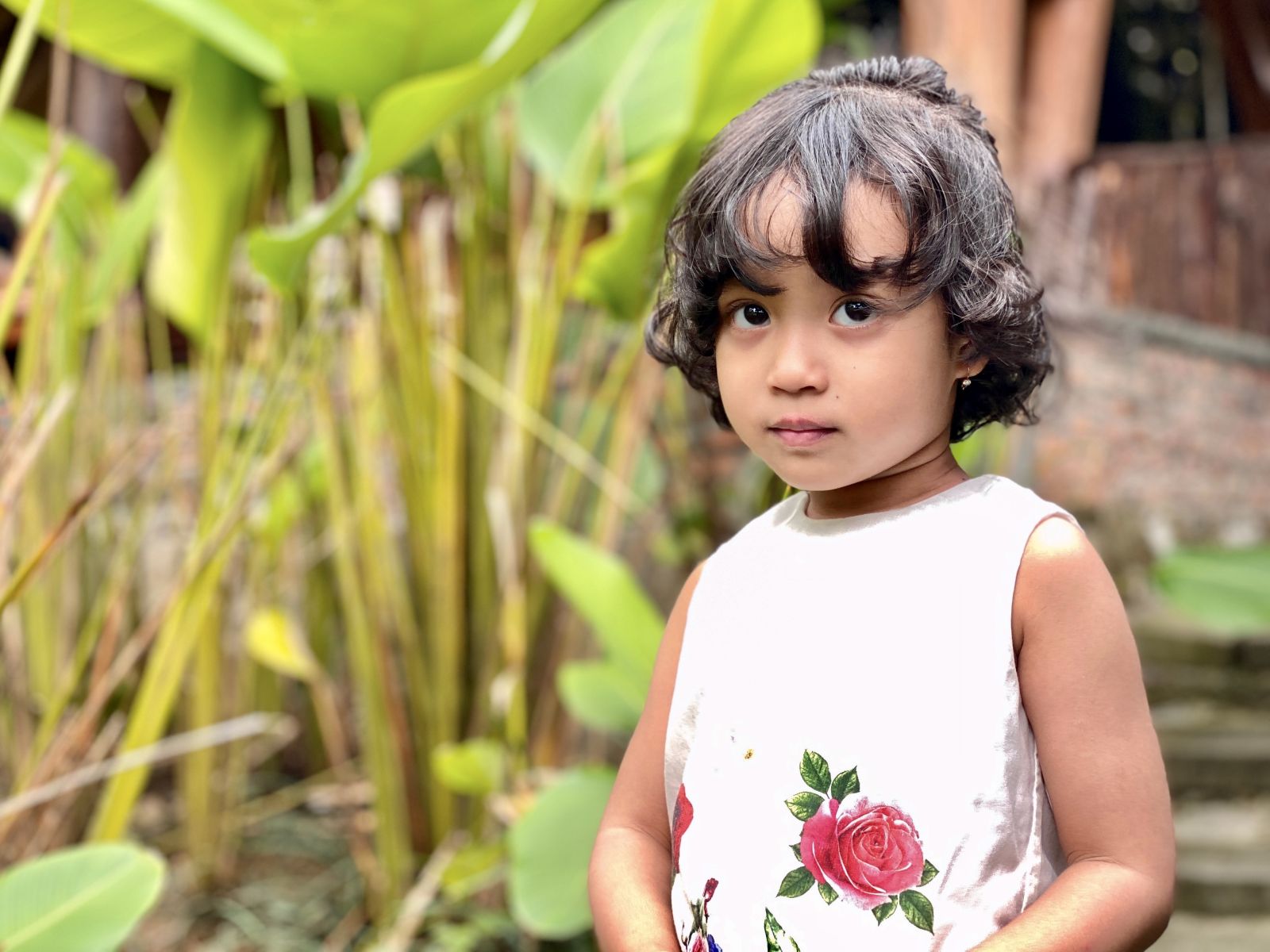
While gray hair is commonly associated with aging, it's surprising to learn that children can also experience it. Although rare, several factors contribute to gray hair in children.
Genetic Factors:
Genetic predisposition is a major cause of gray hair in children. If parents or close family members experience premature graying, it increases the likelihood of the child having gray hair at a young age.
Nutritional Deficiencies:
Inadequate levels of essential nutrients like vitamin B12, vitamin D, copper, and zinc can disrupt melanin production in hair. Insufficient melanin may lead to the premature graying of a child's hair.
Stress:
Excessive stress in children can impact melanin production. Studies indicate that stress may accelerate the graying process in children, highlighting the importance of managing stress levels.
Autoimmune Disorders:
Certain autoimmune disorders like vitiligo and alopecia areata can interfere with melanin production, resulting in gray hair in children.
Pigmentation Disorders:
Disorders such as piebaldism, Waardenburg syndrome, and albinism are associated with pigmentation irregularities and can contribute to the development of gray hair in children.
Read also :
Although rare, gray hair in children may indicate underlying health or hereditary issues. Parents should remain vigilant and consult a doctor if their child experiences premature graying. Moreover, ensuring a balanced nutritional intake and addressing stress in children can play a role in preventing or minimizing the risk of gray hair.