Hello, lovely ladies! Want to keep your skin looking youthful and your bones strong? You may have heard about collagen supplements. They're gaining popularity for their potential benefits, but what is collagen, and how does it work? In this article, we'll explore collagen in more detail.
Understanding Collagen
Collagen is a vital structural protein that makes up around 30% of the total protein in our bodies. It consists of amino acids like glycine, proline, and hydroxyproline. This protein is the building block for various body tissues, including skin, muscles, tendons, bones, cartilage, and connective tissues.
Collagen's primary role is to provide structure, strength, and support throughout the body. It helps with cell growth, replaces dead skin cells, acts as a protective covering for organs, aids in blood clotting, and, notably, contributes to the skin's structure, strength, and elasticity.
Effects of Collagen Decrease
As we age, our natural collagen production decreases. The remaining collagen deteriorates, leading to various changes in the body. This decline becomes more significant for women, particularly during menopause or around 60. Signs of decreased collagen levels may include:
- Wrinkles, fine lines, and sagging skin
- Reduced muscle mass, weakness, and occasional pain
- Stiffening and reduced flexibility of tendons and ligaments
- Cartilage deterioration, resulting in joint pain
- Joint damage, limiting mobility
- Circulation and digestive issues
Sources of Collagen
Your body naturally produces collagen, and you can also obtain it from specific foods, such as chicken skin, fish skin, jellyfish, and products made from animal bones or ligaments. Eating enough other protein-rich foods like fish, poultry, nuts, and eggs can support collagen production.
Collagen supplements are available in various forms, including powder, liquid, or capsules. These supplements can be taken as is or added to cold or hot foods like oatmeal, yogurt, and snack bars. Collagen is often used to address signs of aging, including wrinkles, reduced skin hydration, and joint pain.
Avoiding Collagen
Damage Collagen can be damaged due to unhealthy lifestyles and certain health conditions. To preserve your body's collagen, avoid habits like smoking, excessive sugar and processed carbohydrate consumption, and overexposure to ultraviolet light. Diseases like autoimmune conditions (rheumatoid arthritis, lupus, dermatomyositis, and scleroderma) and genetic mutations can also harm collagen.

Collagen can be damaged due to destructive lifestyles, such as smoking
Benefits of Collagen Supplements
Do collagen supplements work? While there's a lack of extensive clinical trials, evidence suggests they can have positive effects, especially on skin and bone health. Here are some benefits of collagen supplements:
-
Skin Health: Numerous studies indicate collagen supplements can improve skin hydration elasticity and reduce wrinkles. A daily dose of 2.5-15 grams over eight weeks or more is considered effective for enhancing skin health.
-
Bone Health: As we age, bone density tends to decrease, especially during menopause. Long-term consumption of 5 grams of collagen daily for one year has been shown to increase spine and femur density, potentially preventing osteoporosis and improving bone density.
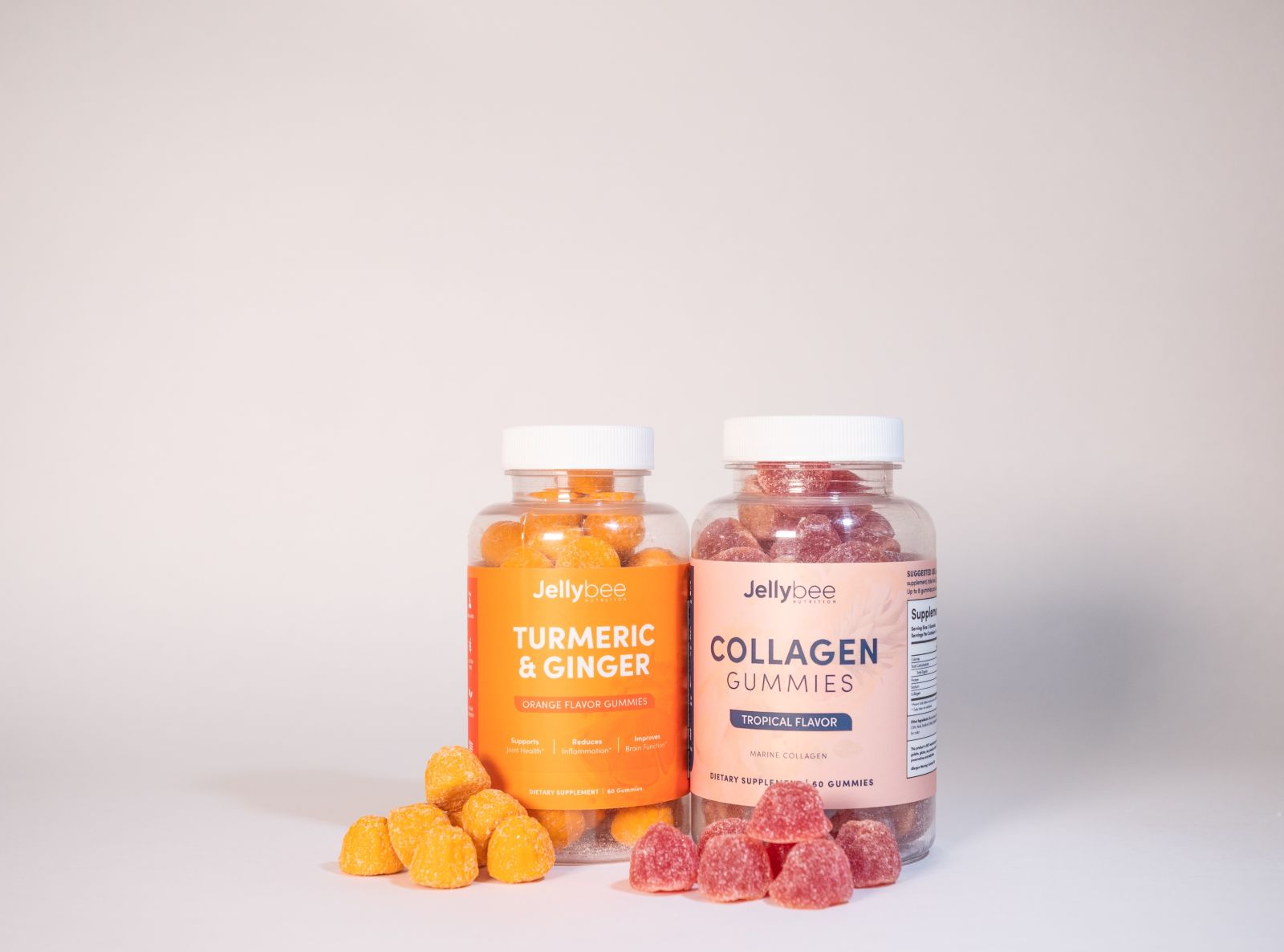 Collagen supplements can enhance skin and bone health
In a nutshell, collagen is a crucial protein that contributes to healthy skin and bones. While collagen supplements may offer benefits, it's wise to prioritize natural collagen sources in your diet. For more captivating articles, be sure to explore Fitie!