Have you ever heard of people eating unusual things? Well, there's a condition called pica eating disorder that makes this happen. People with pica can't resist consuming non-food items. But is it dangerous? What causes it? Let's dive into the details in this article.
What is Pica Eating Disorder?
Pica eating disorder is a condition where individuals can't resist eating non-food items. While some non-food items are harmless, others can be hazardous when consumed by different people. For instance, consuming ice cubes is harmless, but eating clay can lead to infections. Pica eating disorder is typically observed in pregnant women but can also affect children and individuals with certain mental health conditions, leading to various effects.
Common non-food items consumed in pica include:
- Ice cubes
- Baby powder
- Paper
- Coal
- Paint
- Lem
- Chalk
- Clay
- Sand
- Ash
- Bath soap
- Dirt
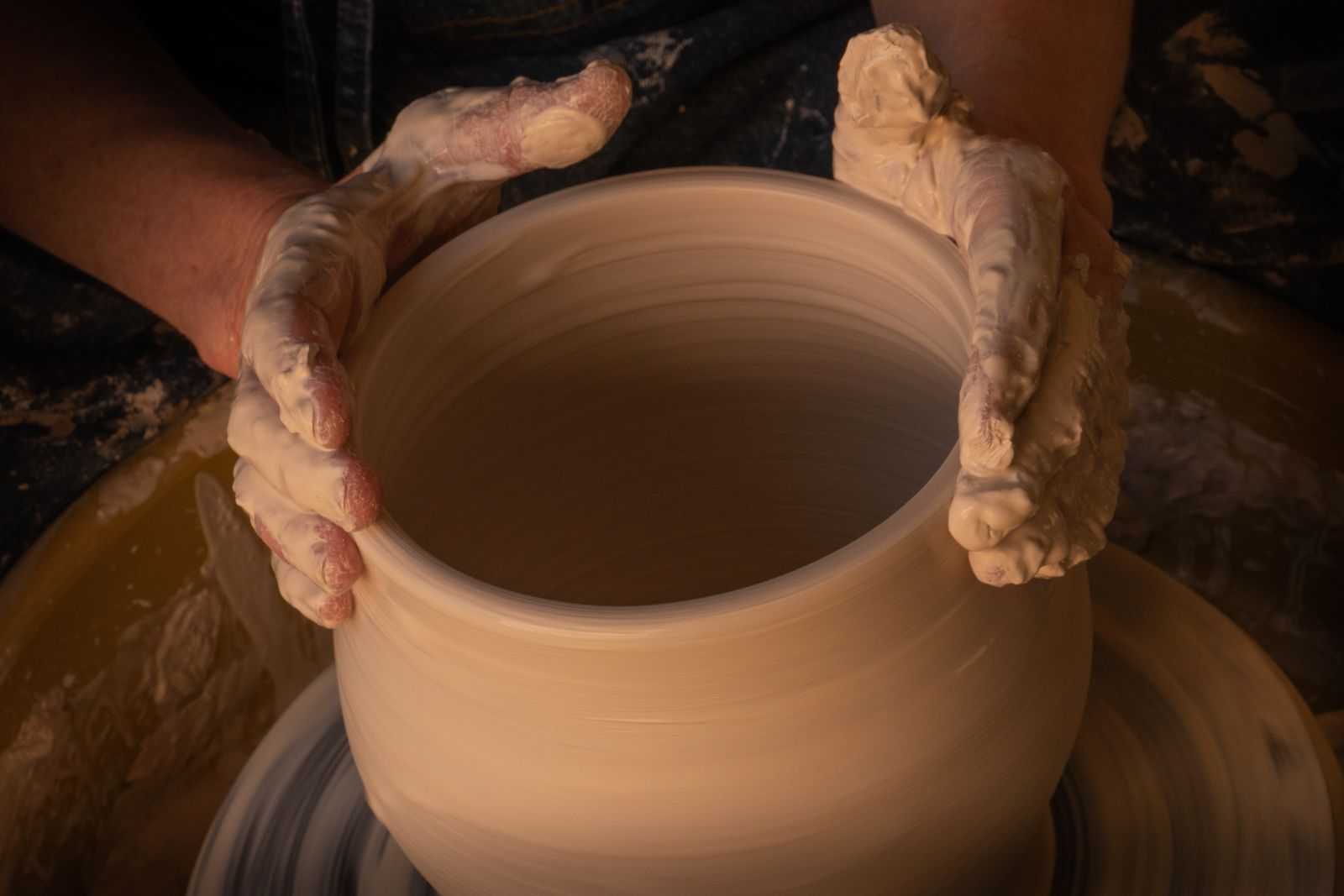
One of the dangerous non-food items is clay
Symptoms
Symptoms of pica include not being able to resist consuming non-food items that have no nutritional value. Some individuals with pica consume more than one type of object. This condition can have a range of health effects, including anemia (iron deficiency), roundworm infection, constipation, electrolyte imbalances, heart rhythm irregularities, lead poisoning, and intestinal blockages.
Causes
Although the exact cause of pica is unknown, it's believed to be a coping mechanism. Various factors may trigger pica, such as:
- Stress or anxiety can drive individuals to seek relief by consuming non-food items.
- Cultural and religious practices, like the consumption of feces among young women in South Africa.
- Childhood experiences, particularly in children who grew up in economically disadvantaged conditions.
- Nutrient deficiencies, such as iron, calcium, or zinc.
- Mental health conditions, including schizophrenia.
- Medical conditions, like pregnancy and sickle cell anemia.
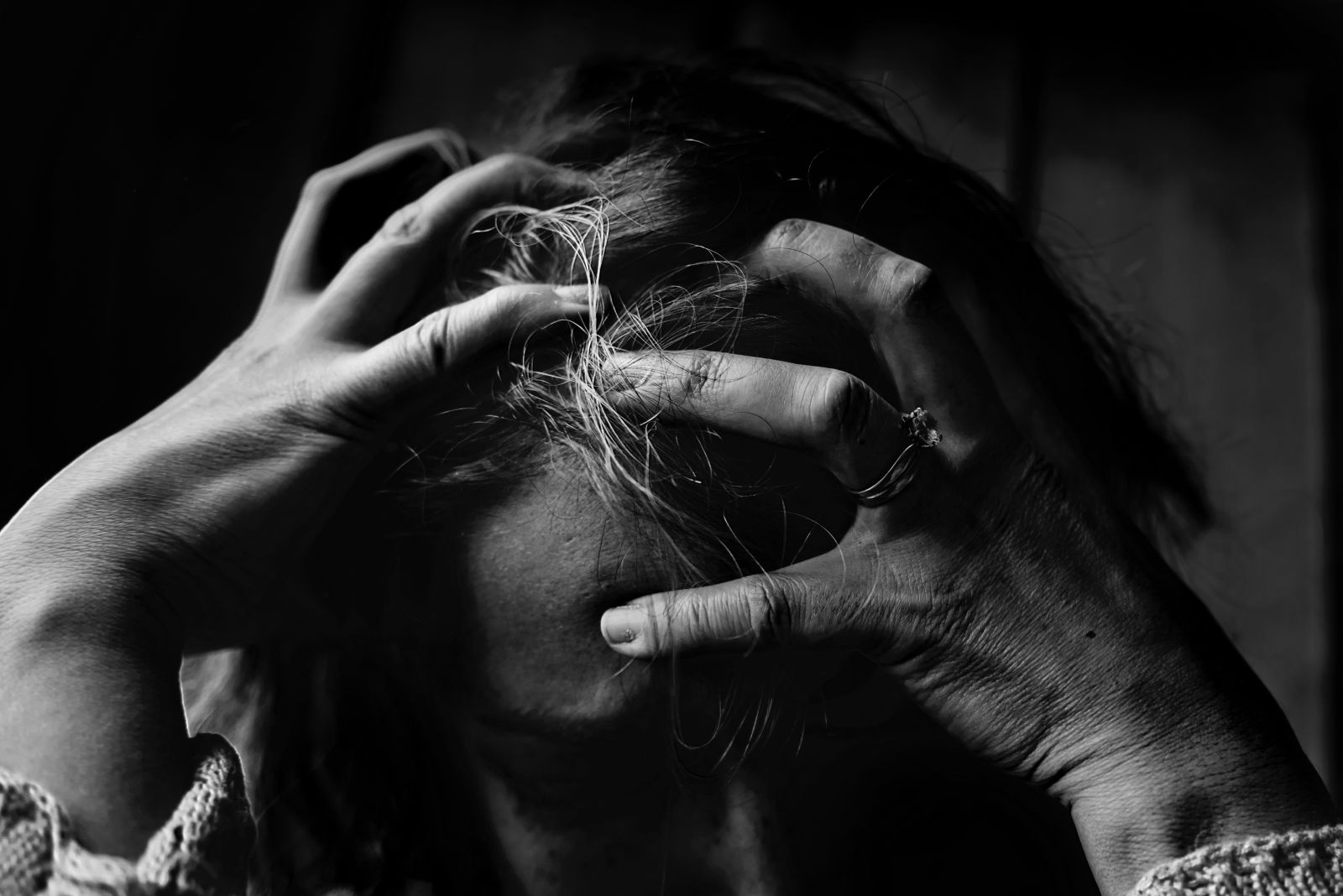
Stress can be a trigger for pica
Diagnosis
There isn't a specific test to diagnose pica disorder. Still, diagnosis typically involves clarifying four criteria: the duration of non-food consumption behavior, the individual's mental health condition, their social and cultural background, and any underlying medical conditions. Pica often goes undiagnosed due to several reasons, such as:
- Malnutrition, as individuals who are anemic or have low calcium levels, might consume non-food items to compensate.
- Cultural or social practices, as certain regions, have traditions of consuming non-food items like clay or soil.
- An individual's medical and underlying health conditions may mask a pica diagnosis.
Tests commonly conducted to assess pica aim to identify health issues related to this condition and may include:
- Blood, urine, and stool tests to check for signs of infection, poisoning, and electrolyte imbalances.
- X-rays, CT scans, or MRI to identify signs of blockages or internal damage in the digestive tract.
- EKG to detect irregular heart rhythms.
Treatment
Pica that occurs in pregnant women often resolves on its own. For children, it is essential to eliminate non-food items from their environment to prevent consumption. The majority of pica treatments do not involve medication but rather therapy. Different therapies may be used to address pica, including:
- Mild aversive therapy: This teaches individuals to avoid non-food items by introducing consequences and rewarding healthy eating behaviors.
- Behavioral therapy: This aims to alter an individual's approach to develop better coping strategies.
- Differential reinforcement: This helps individuals focus on alternative behaviors and activities to deter pica.
- Antipsychotic medication, when prescribed by a doctor.
Pica is a condition that can affect individuals, particularly pregnant women and children. While not inherently dangerous, it's important to be aware of it as it can lead to more severe issues. If you or someone you know experiences pica, don't feel embarrassed or hesitate to consult a mental health professional. Be sure to explore other intriguing articles on Fitie, too!