Ever experienced a pounding headache during your period, throbbing on one side of your head? It might not be your run-of-the-mill migraine but rather a unique phenomenon tied to the changes your body undergoes right before your menstrual cycle kicks in. Wondering what's causing it and if you can tackle it on your own? Let's break it down.
Understanding Menstrual Migraines
Menstrual migraines, or migraines during menstruation, are intense headaches typically felt on one side of the head. These throbbing sensations often make an entrance just before or during your period. What's interesting is that certain triggers, like light, movement, smells, or sounds, can exacerbate the condition. Symptoms might surface a few hours before and persist for several days.
Unravelling the Culprit Behind Menstrual Migraines
The key player in menstrual migraines is estrogen, the hormone that experiences a dip right before your period begins. As estrogen levels decrease, so does serotonin production. This dip sets off an increase in calcitonin gene-related peptide and substance P of the trigeminal nerve—both linked to sensory nerves that can spark migraines.
These headaches typically align with the late luteal and early follicular stages of your menstrual cycle—around two days before your period until the third day of menstruation. For some, even minor skin stimulation, like combing hair or wearing contact lenses, can worsen the headache.
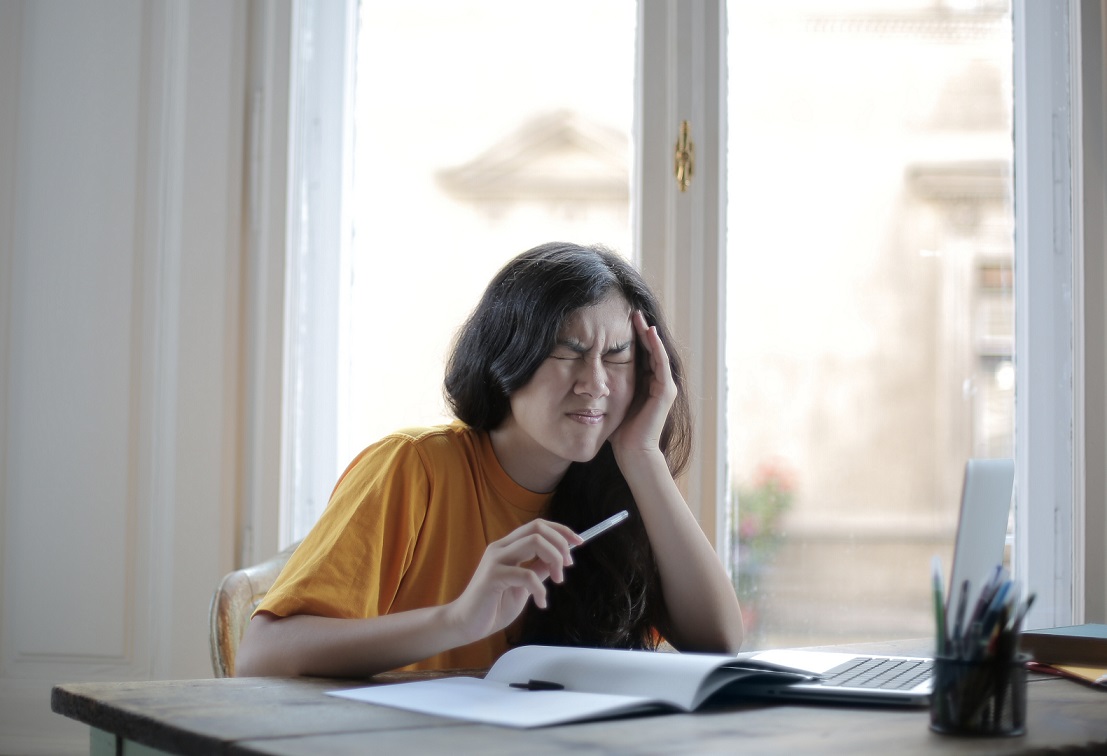
Menstrual migraines are associated with a decrease in estrogen, which affects the sensory nervous system
Spotting the Symptoms
Migraines impact around 12% of the population, with women being more susceptible. They commonly occur between the ages of 30 to 40, and women in their perimenopausal menstrual period might experience them more frequently. Symptoms of menstrual migraines resemble those of other migraines:
- Headaches ranging from dull to severe throbbing
- Sensitivity to light, smells, and noise
- Scalp tenderness
- Decreased appetite
- Dizziness and blurred vision
- Paleness
- Fatigue
- Nausea, vomiting, and stomach ache
- Fever or diarrhea (rare)
Diagnosis Process
Healthcare professionals will assess your symptoms, looking into the severity, location, frequency, and potential triggers of your headaches. They'll inquire about the medications you take, your family's migraine history, and factors like stress, diet, or activities that might contribute to migraines.
Managing Menstrual Migraines
You can tackle menstrual migraines from two angles: lifestyle changes and medication. Adopting regular sleep patterns, maintaining a balanced diet, exercising, and steering clear of triggers like stress or alcohol can be part of your lifestyle approach.
Pharmacologically, non-steroidal anti-inflammatory drugs (NSAIDs) such as ibuprofen or naproxen can help alleviate symptoms. Always consult a healthcare professional before taking any medication to ensure it's the right choice for you.

Have a balanced and healthy diet to prevent the severity of migraines during menstruation
So, that's the lowdown on menstrual migraines—blame it on the hormonal dance in your body. The good news? They're manageable with the right lifestyle tweaks and, when needed, appropriate medication. For more insights into women's health, explore the Fitie website!