Vegan and vegetarian diets are gaining popularity in Indonesia as people embrace healthier and more sustainable eating habits. Although the names sound similar, there are crucial differences, particularly in the types of foods consumed. So, let's unravel the distinctions and explore which might be a healthier choice for you.
Vegetarian Diet:
A vegetarian diet consumes fruits, vegetables, grains, and nuts while excluding animal products or by-products from animal slaughter, such as eggs, meat, poultry, or fish. Depending on preferences, there are various types of vegetarian diets:
- Lacto-ovo vegetarian: Excludes all animal protein but includes dairy products and eggs.
- Lacto vegetarian: Excludes meat, eggs, and fish but includes dairy products.
- Ovo vegetarian: Excludes all animal products except eggs.
- Pescatarian: Excludes all meat except fish and other seafood.
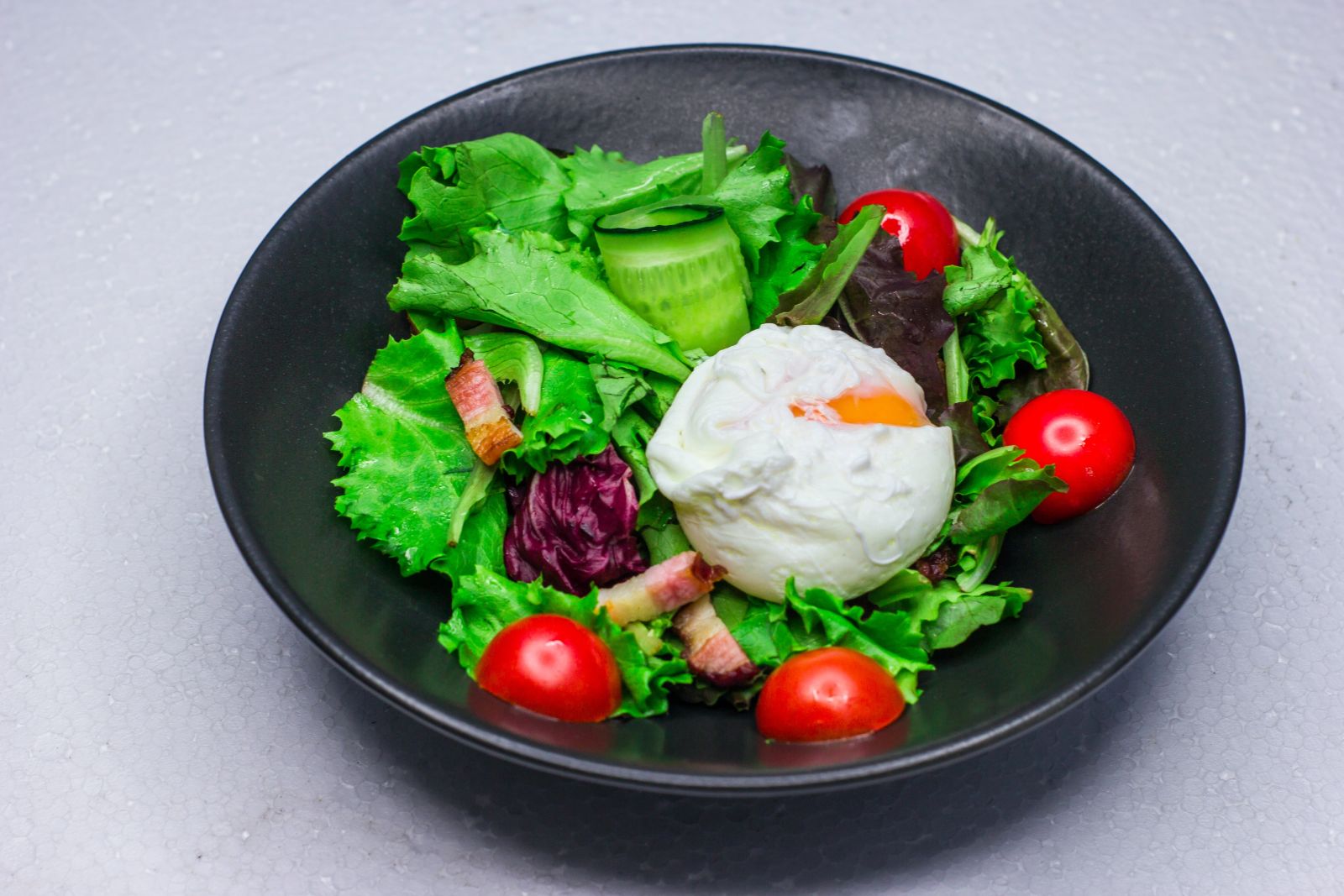
Some variations of vegetarian diets may include certain animal products based on individual choices
Vegan Diet:
A vegan diet is a stricter form of vegetarianism, excluding all types of animal proteins and their derivatives. Vegans avoid not only meat, poultry, and fish but also eggs, dairy products, honey, and other items involving animal use, such as leather, wool, and certain cosmetics, such as:
- Items made of leather
- Will
- Sutra
- Plant something
- Cosmetics that pass animal testing
- Latex products containing casein (from milk protein)

Both vegetarians and vegans share concerns about health and environmental reasons for avoiding animal products
Common Reasons for Avoiding Animal Products:
- Health concerns: Reducing saturated fat and cholesterol intake.
- Environmental reasons: Minimizing the ecological footprint.
- Animal welfare: Opposing the use and harm of animals.
Advantages and Disadvantages:
Both diets offer lower saturated fat and cholesterol intake, higher vitamin, mineral, and fiber consumption, and potential advantages for those with obesity or hypertension. However, nutrients like iron, calcium, zinc, vitamin D, and B12 deficiency can occur in both diets.
Which is Healthier?
Comparing the healthiness of vegan and vegetarian diets is challenging. The key lies in well-planned nutrition. Both diets may lack certain nutrients, and individuals must monitor and supplement their intake to avoid deficiencies. Regular nutritional checks and appropriate supplements are essential for maintaining health on these diets.
In conclusion, vegan and vegetarian diets are viable, well-planned and supplemented appropriately. If you're considering adopting either of these diets, Fitie offers a wealth of informative articles to guide and support you on your journey to a healthier lifestyle. Check them out today! ?✨