Pregnancy complications demand attention, and one to be mindful of is preeclampsia. It is vital for expectant mothers to understand its criteria, risk factors, symptoms, causes, diagnosis, and preventive measures. Delve into this article for comprehensive insights.
Definition: Decoding Preeclampsia
Preeclampsia, a condition emerging during pregnancy, is marked by elevated blood pressure (hypertension) and increased urine protein levels (proteinuria) in someone with previously normal blood pressure. Typically appearing after the 20th week of pregnancy, preeclampsia poses risks to both the mother and the unborn baby.
Criteria for Preeclampsia, as per the American College of Obstetrics and Gynecology:
- Hypertension: Blood pressure ≥140/90 mmHg, measured twice with a 4-hour gap, in women with a history of normal blood pressure.
- Proteinuria: ≥300 mg/24-hour urine or protein/creatinine ≥0.3 or a reading of 1+.
- Additional Symptoms: Systolic blood pressure ≥160 mmHg or diastolic ≥110 mmH, liver function issues, thrombocytopenia, and cerebral symptoms.
Risk Factors: Unveiling Vulnerability
Preeclampsia impacts around 5-7% of pregnancies, posing risks of premature birth, low birth weight, and respiratory issues. Risk factors include:
- History of Preeclampsia
- Chronic Hypertension
- Diabetes Mellitus
- Twin Pregnancy
- BMI >25 or >30 kg/m²
- Age >35 Years
- Antiphospholipid Syndrome
- Lupus
- Previous Placental Abruption
- Chronic Kidney Disease
- Assisted Reproductive Technology
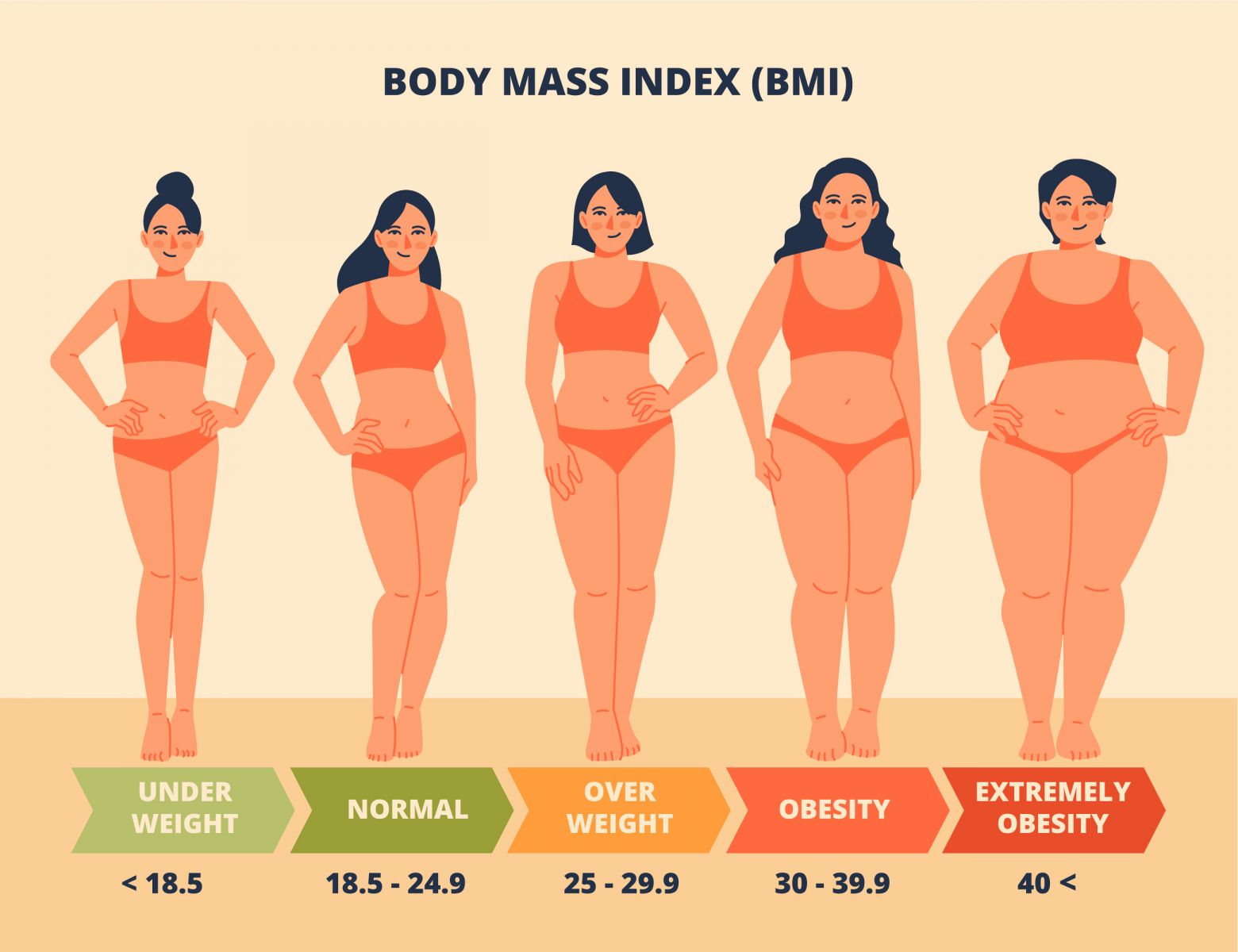
A body mass index of more than 25 or 30 kg/m² is a risk factor for preeclampsia
Symptoms: Recognizing the Signs
While most cases are asymptomatic, signs may include:
- Headache
- Vision Issues
- Abdominal Pain
- Swelling
- Difficulty Breathing
Causes: Preeclampsia Unveiled
The exact cause is unknown, but it's linked to placental issues. Stress isn't a direct trigger, and onset can vary. Preeclampsia may start around the 20th week but can occur earlier or closer to birth.
Diagnosis and Treatment: Navigating the Path
Diagnosis occurs during prenatal visits, involving blood pressure, urine, and weight checks. Tests like blood tests and ultrasounds may be recommended. Treatment includes monitoring and in severe cases, inducing labor with medication or opting for a cesarean section.
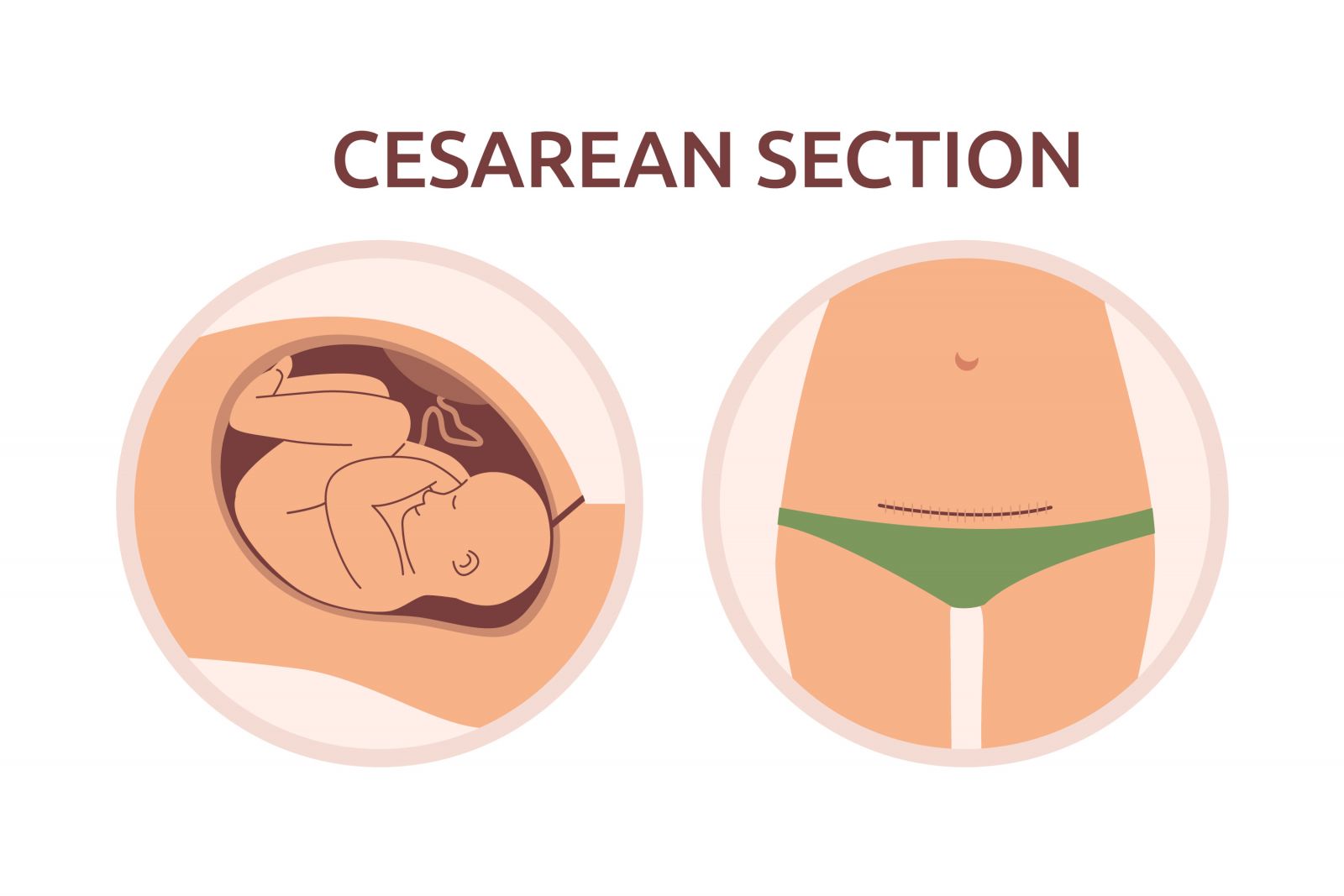
If preeclampsia is discovered when the pregnancy is at term, it is recommended to give birth by caesarean section
Prevention: A Proactive Approach
For those with risk factors, preventive measures include weight management, regular blood pressure and sugar checks, exercise, sufficient sleep, and a low-salt, caffeine-avoidant diet.
In conclusion, understanding and vigilance during prenatal care are paramount to managing preeclampsia. Regular visits, a healthy lifestyle, and proactive measures enhance the chances of a healthy, safe pregnancy. Explore more pregnancy-related articles on Fitie for a wealth of valuable insights.