Understanding the nuances of bulimia nervosa is crucial as this eating disorder poses serious health risks and requires immediate attention. This article aims to provide insights into this potentially life-threatening condition's definition, symptoms, causes, diagnosis, and treatment.
Definition: What is Bulimia Nervosa?
Bulimia nervosa is an eating disorder characterized by binge eating—consuming large amounts of food in a short period—followed by purging through actions like intentional vomiting, excessive exercise, or laxative use. This disorder can be life-threatening and often stems from an obsession with weight and body shape.
Identifying Characteristics of Bulimia:
- Abusing diet pills or diuretic drugs.
- Fluctuating between eating too little or not eating at all.
- Engaging in excessive exercise.
- Hiding food to be consumed later and bringing it out again.
While individuals with bulimia may appear healthy and maintain average weight, their behaviors are driven by an unhealthy fixation on body image and weight. This disorder typically emerges during adolescence or early adulthood and is more prevalent in women.
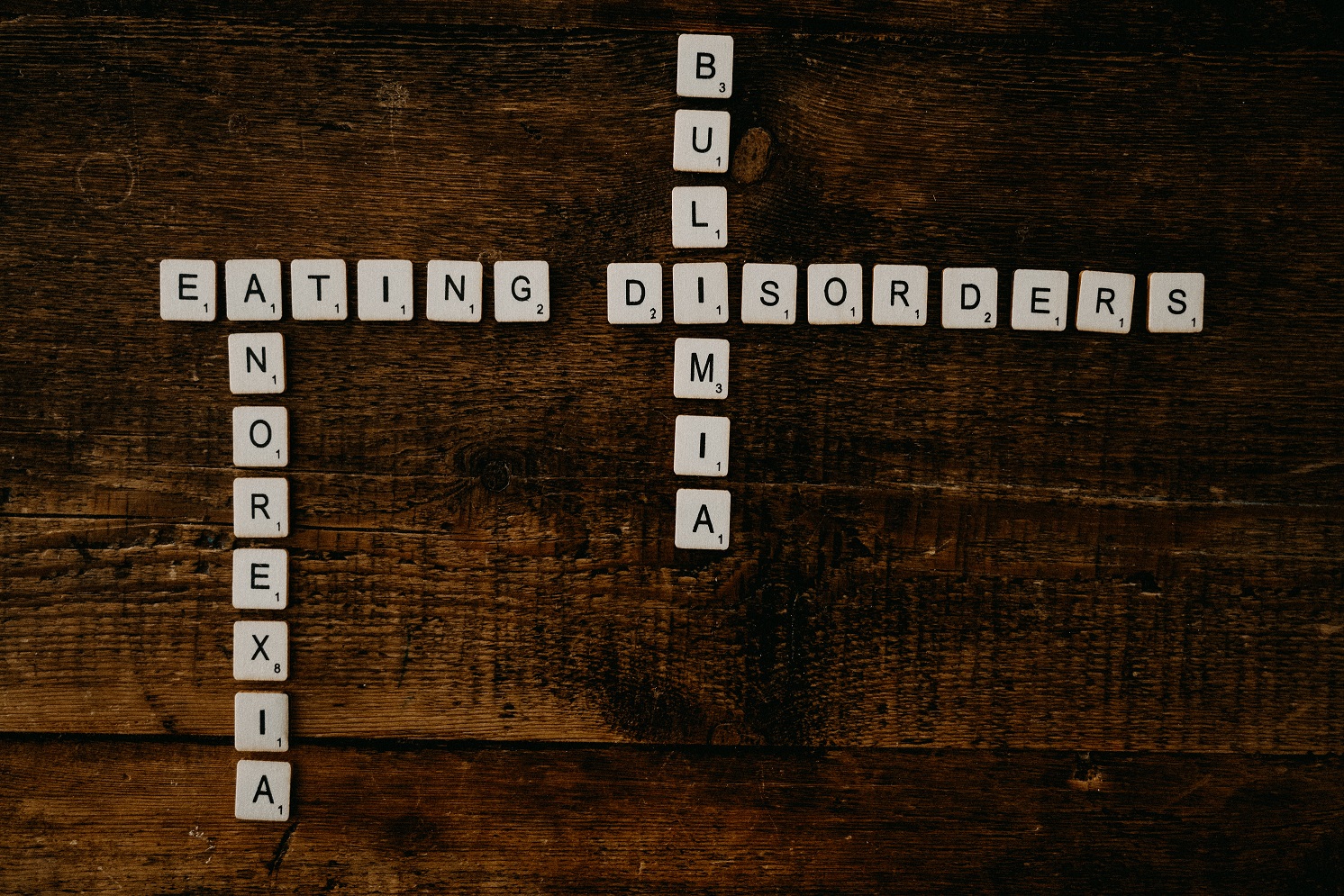
Bulimia is a condition when a person tends to vomit the food they consume
Symptoms of Bulimia Nervosa:
- Fear of weight gain.
- Negative self-image and self-judgment as "fat."
- Frequent abuse of laxatives or immediate bathroom visits after eating.
- Use of weight loss supplements.
- Excessive exercise.
- Avoidance of eating in front of others.
- Withdrawal from social activities.
- Physical signs include calluses on the back of the hand, stained teeth from vomiting, swollen cheeks or jawbone, and red eyes.
- Emotional symptoms like depression, anxiety, and irregular menstrual cycles.
Possible Causes of Bulimia:
While the exact cause remains unknown, several factors contribute to bulimia nervosa:
- Genetic predisposition.
- Learned behavior from family or peers.
- External pressures emphasizing specific body shapes.
- Stress, frustration, or a sense of loss of control.
Complications and Risks:
Bulimia can lead to severe complications, including:
- Inflammation of the throat and stomach.
- Tooth and gum damage.
- Esophageal inflammation or tears.
- Intestinal damage.
- Electrolyte imbalance.
- Heart problems.
- Kidney failure.
- Elevated risk of suicide.

Bulimia can be caused by genetics, learned behavior from other people, external pressure, and stress
Diagnosis and Classification:
Diagnosing bulimia involves assessments, physical examinations, and adherence to the Diagnostic and Statistical Manual of Mental Disorders (DSM) criteria. The severity is categorized as mild, moderate, severe, or extreme based on the frequency of episodes per week.
Treatment Approaches:
Comprehensive treatment involves a multidisciplinary approach, including doctors, nutritionists, and mental health professionals. Treatment options include psychotherapy, nutritional counseling, medication, and participation in support groups.
Early intervention is crucial to prevent the worsening of bulimic behaviors. Seeking immediate treatment can pave the way for recovery and improved well-being. Explore additional health articles on women's health by visiting the Fitie website or downloading the Fitie application.