Experiencing sudden bouts of fear and discomfort can be unsettling. But is it just a panic attack, or could it be a panic disorder? In this article, we break down these terms, explore their distinctions, symptoms, and reasons, and share essential tips for managing them.
Panic Attack vs Panic Disorder
Panic Attack: An abrupt surge of fear without a clear cause, lasting 5 to 20 minutes. When someone encounters such fear repeatedly for at least a month, it's termed a panic attack.
Panic Disorder: This occurs when someone faces panic attacks multiple times, usually four or more instances. Unlike panic attacks, panic disorder episodes typically aren't triggered by mental health factors or other physical conditions.
Symptoms of a Panic Attack
Panic attacks manifest in various ways, including:
- Rapid heartbeat
- Shortness of breath and chest pain
- Feeling choked
- Dizziness or vertigo
- Nausea
- Sweating or chills
- Shivering
- Mental state changes like derealization or depersonalization
- Numbness or tingling
Causes and Risk Factors
Women are twice as likely to experience panic attacks. While the exact cause is unknown, factors contributing to an increased risk include:
- Family History: A 40% higher risk if panic disorder runs in the family.
- Mental Health Conditions: More common in those with anxiety disorders or depression.
- Adverse Childhood Experiences (ACE): Traumatic experiences between ages 1 to 17 elevate the risk.
Management and Treatment
Overcoming panic attacks involves various approaches:
- Psychotherapy: Techniques like Cognitive Behavioral Therapy (CBT) or exposure therapy help identify and change thoughts, emotions, and behaviors.
- Medication: Antidepressants or anti-anxiety medications prescribed by a doctor.
- Lifestyle Changes: Regular exercise, balanced nutrition, quality sleep, and avoiding triggers like caffeine, alcohol, and smoking.
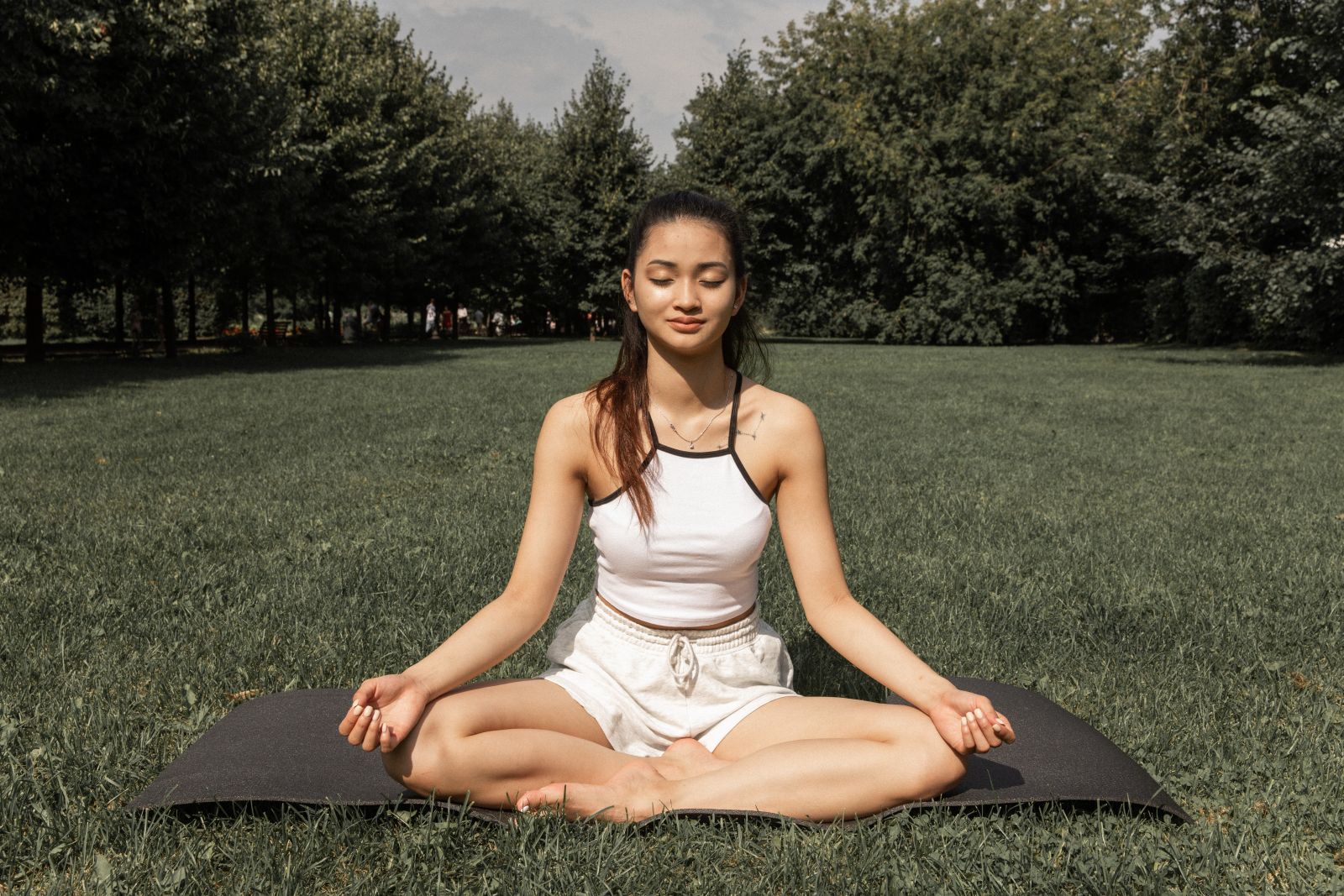
Apply a healthy lifestyle to handle panic attacks
Handling a Panic Attack
If a panic attack occurs:
- Deep Breathing: Inhale deeply and exhale slowly.
- Focus on Breathing: Close your eyes and concentrate on your breath.
- Acknowledge the Attack: Admit it's happening, reminding yourself it's temporary.
- Relax Muscles: Consciously relax your muscles.
- Stay Conscious: Try to remain aware and calm.
Take a deep breath and exhale slowly to overcome a panic attack
Remember, you're not alone in dealing with panic attacks. Seeking professional help, discussing it with loved ones, and applying healthy lifestyle changes can significantly improve the situation. Fitie offers many informative articles for women on its website and app – explore and empower yourself!