Breast milk, the liquid gold for your little one, isn't just a post-birth phenomenon—it can even make a cameo while your baby is still in the womb. Curious about what triggers this miraculous process? Join us as we unravel the intricate journey of forming breast milk in this insightful Fitie article.
1. Alveoli
- Function: Small sacs shaped like grapes responsible for producing and storing milk.
- Insight: These alveoli are grouped into lobules connected to a lobe.
2. Milk Ducts
- Function: Connects lobes and carries milk from the alveoli to the mother's nipples.
- Insight: Women generally have 20 lobes, each with its milk duct.
3. Areola
- Function: Dark area around the nipples with sensitive nerve endings.
- Insight: The tip of the areola signals the need for milk release when stimulated.
4. Nipples
- Function: Secrete milk through about 20 tiny pores.
- Insight: Nerves in the nipple respond to stimulation from the baby, hands, or breast pump.
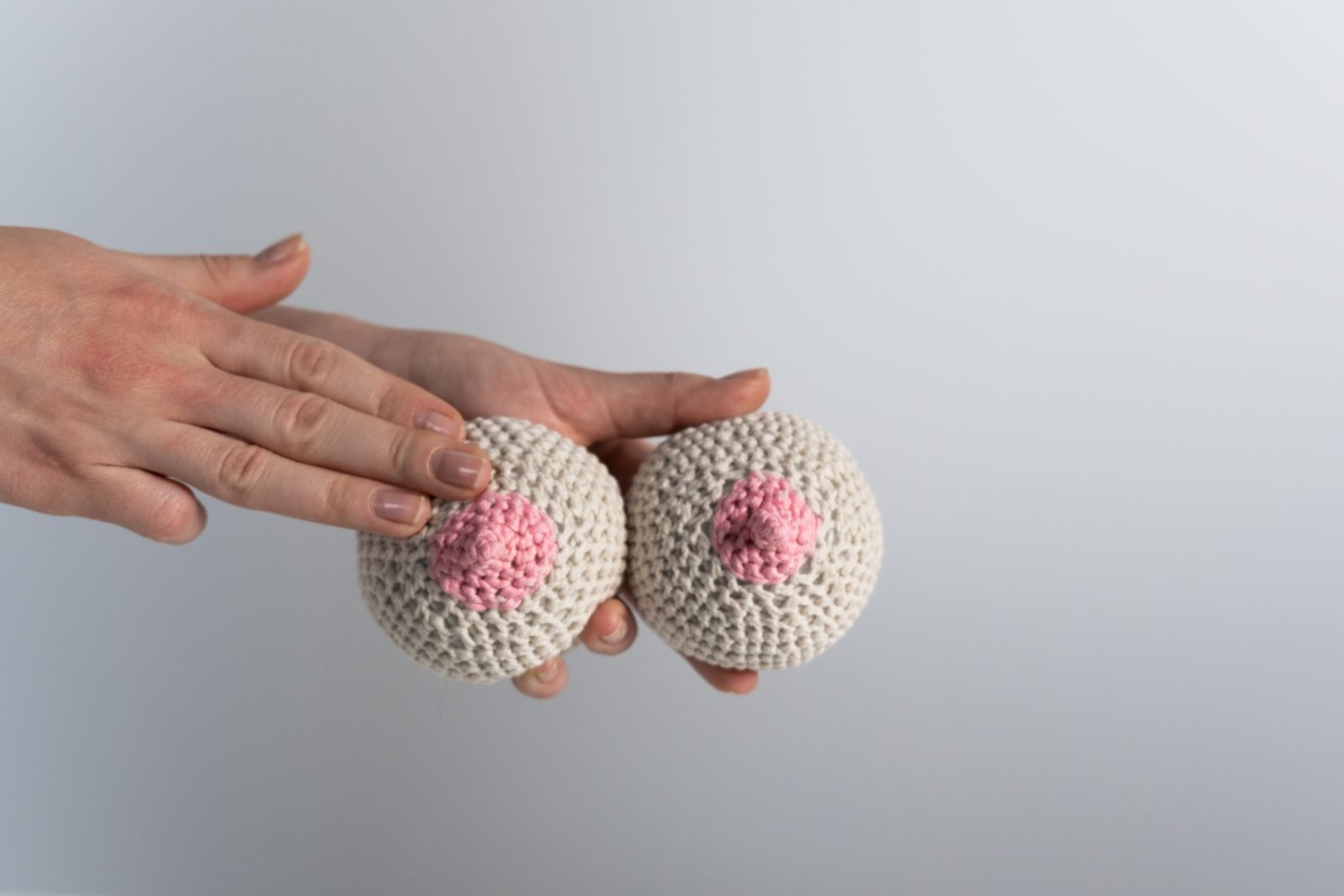
Alveoli, milk ducts, areolas, and nipples together form the mammary glands, orchestrating the production and release of breast milk
Breast Milk Production Timeline After Birth: Nutritional Milestones for Your Baby
- On the third day after birth, Babies consume approximately 300-400 ml of breast milk in 24 hours.
- On the fifth day, Intake increases to 500-800 ml.
- First 6 months: Average daily intake is around 800 ml.
Breast milk, a vital player in baby development, assumes a crucial role during the early stages of life. If possible, avoid formula milk unless specific health conditions dictate otherwise.
The Lactation Trigger: Navigating Hormonal Changes
1. Lactogenesis Stage One (16th week of pregnancy to post-birth):
- Hormones: Estrogen and progesterone.
- Highlights: Increased milk ducts, darkened areola, appearance of Montgomery glands, colostrum production.
2. Lactogenesis Stage Two (2-3 days post-birth):
- Hormones: Drastic decrease in estrogen and progesterone, rise of prolactin.
- Highlights: Intensified breast milk production, fuller breasts, increased tenderness.
3. Lactogenesis Stage Three (ongoing during breastfeeding):
- Hormones: Prolactin and oxytocin during breastfeeding.
- Highlights: Continuous milk production and release.

Lactogenesis, a series of hormonal changes, marks the initiation and sustenance of breast milk production.
Ceasing Lactation: The Natural and Assisted Paths
Naturally, the production of breast milk diminishes when stimulation decreases. However, for a more immediate halt, hormonal drugs can be considered under professional guidance. This choice involves a thorough discussion with healthcare providers, ensuring a clear understanding of the process, benefits, and potential side effects.
From production to release, breast milk formation is orchestrated by the harmonious dance of hormones—prolactin and oxytocin. Opt for exclusive breastfeeding for up to 6 months and continue for up to 2 years. Explore more informative articles on the Fitie website or through the application!