Hello, amazing women! Family dynamics often include differences of opinion between parents and children. It's a part of growing up and exploring for kids, while parents bring in their life experiences. Navigating these differences with a healthy approach and fostering effective communication is vital. Let's dive into some strategies to handle this with grace.
Dealing Well with Parent-Child Differences
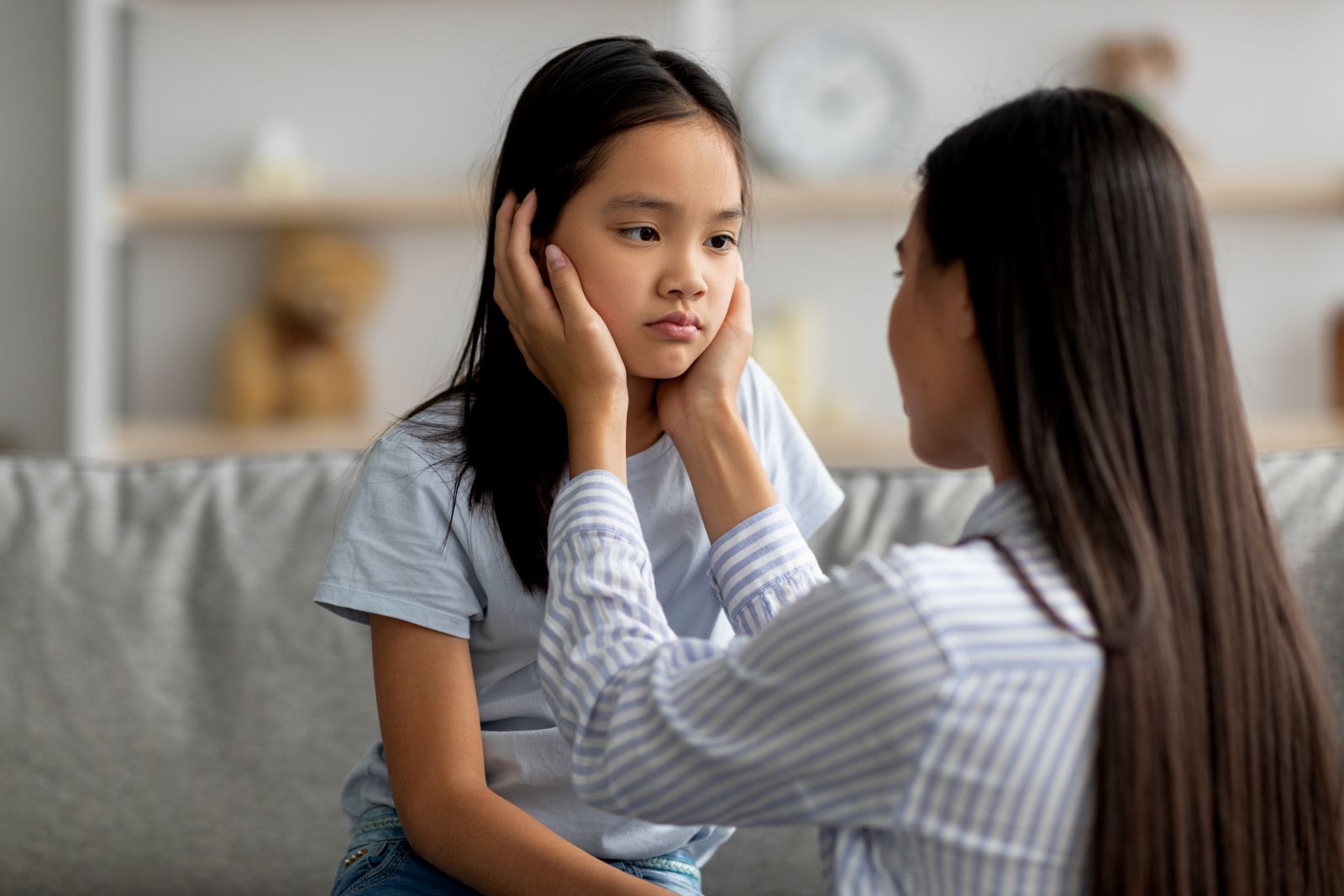
1. Empathetic Listening:
The key to resolving differences is listening with empathy. When your kids express differing views, give them your full attention without judgment. Understand their perspective and create an open and respectful space for communication.
2. Avoid Judgment and Criticism:
Steer clear of blame and criticism. Instead of focusing on faults, emphasize mutual understanding. If you have concerns, share them gently and honestly. This creates an environment where children feel appreciated and comfortable sharing their views.
3. Open Dialogue:
Encourage open communication. Provide a platform for your children to express their opinions freely, even if they differ from yours. Teaching them to respect differences and express opinions healthily strengthens the parent-child relationship.
4. Find Common Ground:
Seek common ground. Identify shared values and underlying principles. Discuss openly, looking for solutions that accommodate everyone's needs and interests.
5. Effective Communication Skills:
Teach practical communication skills. Help children express themselves calmly, logically, and respectfully. Encourage two-way conversations, emphasizing careful listening and polite responses. With practice, communication skills naturally improve.
6. Openness to Compromise:
In some instances, compromise may be necessary. Instill the importance of respecting both parties' needs while maintaining self-expression. Finding solutions together ensures a balanced agreement.
Why Parent-Child Differences Occur:

1. Generational Differences:
Parents and children often hail from different generations with distinct life experiences, values, and expectations. These variations can lead to differences in perspectives.
2. Personal Development:
Children undergo a phase of personal development, seeking identity and autonomy. Parents may have varied expectations, resulting in clashes.
3. Differences in Values:
Deeply held values regarding religion, morality, or social life can differ, sparking conflicts between parents and children.
4. Ineffective Communication:
Miscommunication due to an inability to express thoughts and feelings effectively can lead to misunderstandings.
5. Influence from Environment and Peers:
Children are influenced by peers and their surroundings, sometimes conflicting with parental expectations.
6. Differences in Needs and Wants:
Varied needs can create tension when not adequately understood or accommodated.
7. Family Tension or Stress:
Financial problems or separation can intensify differences, impacting the parent-child relationship.
Read also :
Remember, differing opinions are normal in families. Open communication, understanding, and compromise are vital for healthy relationships. Embrace the beauty of these differences, and let the journey of growing and learning together strengthen your family bonds.