Hey ladies! Ever wondered how those little spots, known as moles, pop up on your skin? Well, we've got the lowdown on the formation process of these tiny skin companions. Let's dive in!
Moles, or nevus in fancy medical terms, are those small spots that can appear on different body parts, like the face, neck, or arms. They're like nature's little beauty marks.
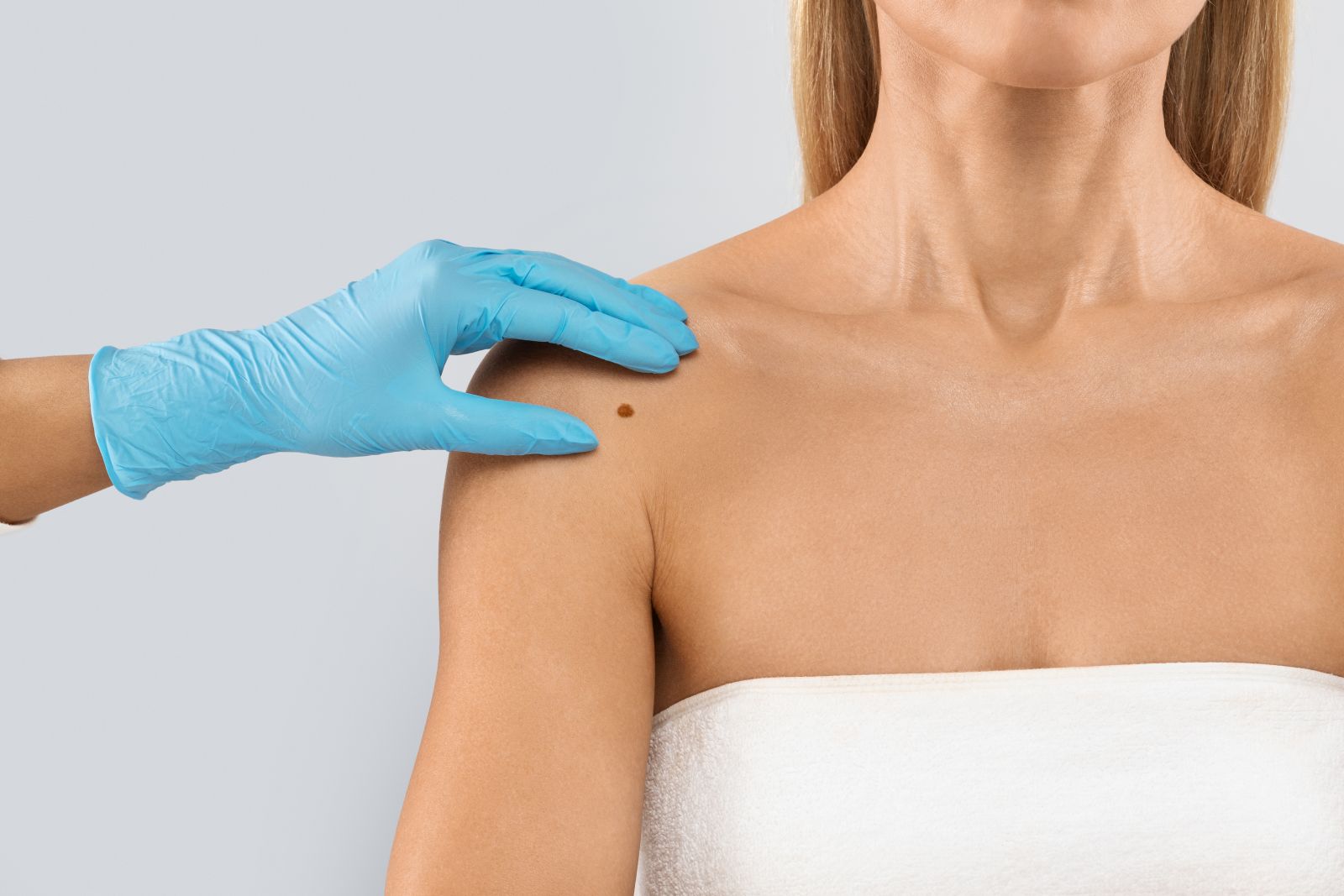
So, how do moles form?
The culprits behind these spots are pigment cells called melanocytes, responsible for producing melanin – the pigment that gives color to our skin, hair, and eyes. When these melanocytes decide to team up and form a group, voilà, a mole is born.
Genetic Factors:
If your family tree is adorned with moles, you'll have your fair share of them, too. Thanks, genetics!
Sun Exposure:
Too much sun? That can influence moles. Excessive sun exposure stimulates melanin production, making moles appear or get darker.
Hormonal Changes:
Puberty or pregnancy bringing about hormonal shifts? Brace yourself for potential mole action. Hormonal changes can amp up melanocyte activity, leading to new moles or changes in existing ones.
Age Factor:
Moles are more likely to make an entrance during childhood and adolescence. As you gracefully age, the mole party tends to stabilize or even wind down.
.jpg)
Are Moles Cause for Concern?
Most moles are like your skin's little companions, harmless and normal. But keep an eye out for these red flags:
-
Changes in Size, Shape, or Color: If a mole starts growing rapidly, changes shape, or alters color dramatically, it's time to see a doctor.
- Bleeding or Itching: Moles shouldn't be drama queens. If one starts bleeding or itching persistently, consult your doctor pronto.
- Asymmetry or Irregular Edges: Moles with uneven shapes or irregular edges might send warning signals. Keep an eye on any suspicious changes.
In a nutshell, moles are like tiny pigmented gatherings due to the melanin-producing melanocyte cells. Most are harmless, but any weird changes should be flagged for a doctor's check-up. Understanding your moles and staying vigilant for unusual shifts helps keep your skin in tip-top shape.