Providing children with personal space is essential for supporting their growth and development. Personal space allows children to feel safe, independent and respect their boundaries.
Why is it important to give children personal space?

Personal space definition
Personal space refers to children's need for a place and time where they can feel safe and have some control over themselves. This includes physical spaces like bedrooms and emotional spaces to explore, rest, think, or be alone without distractions. The benefits of providing personal space for children are:
- Builds trust: Giving children personal space builds trust in themselves. Children must learn to recognize and respect their boundaries, make decisions and take responsibility for their personal lives. This helps them become more independent, confident individuals and able to manage social relationships with others.
- Psychological and emotional benefits: Personal space also allows children to care for their psychological and emotional health. They can process emotions, reflect on experiences, or participate in activities that enhance their creativity and imagination. It can also help reduce stress and improve a child's well-being.
- Respect privacy and boundaries: As parents, it is important to us to respect a child's privacy and personal boundaries, such as providing a private room, allowing children to spend time alone, and maintaining their trust by not reading their private messages or entering their room without permission.
Education about privacy for children
Educating children about privacy requires the right approach.
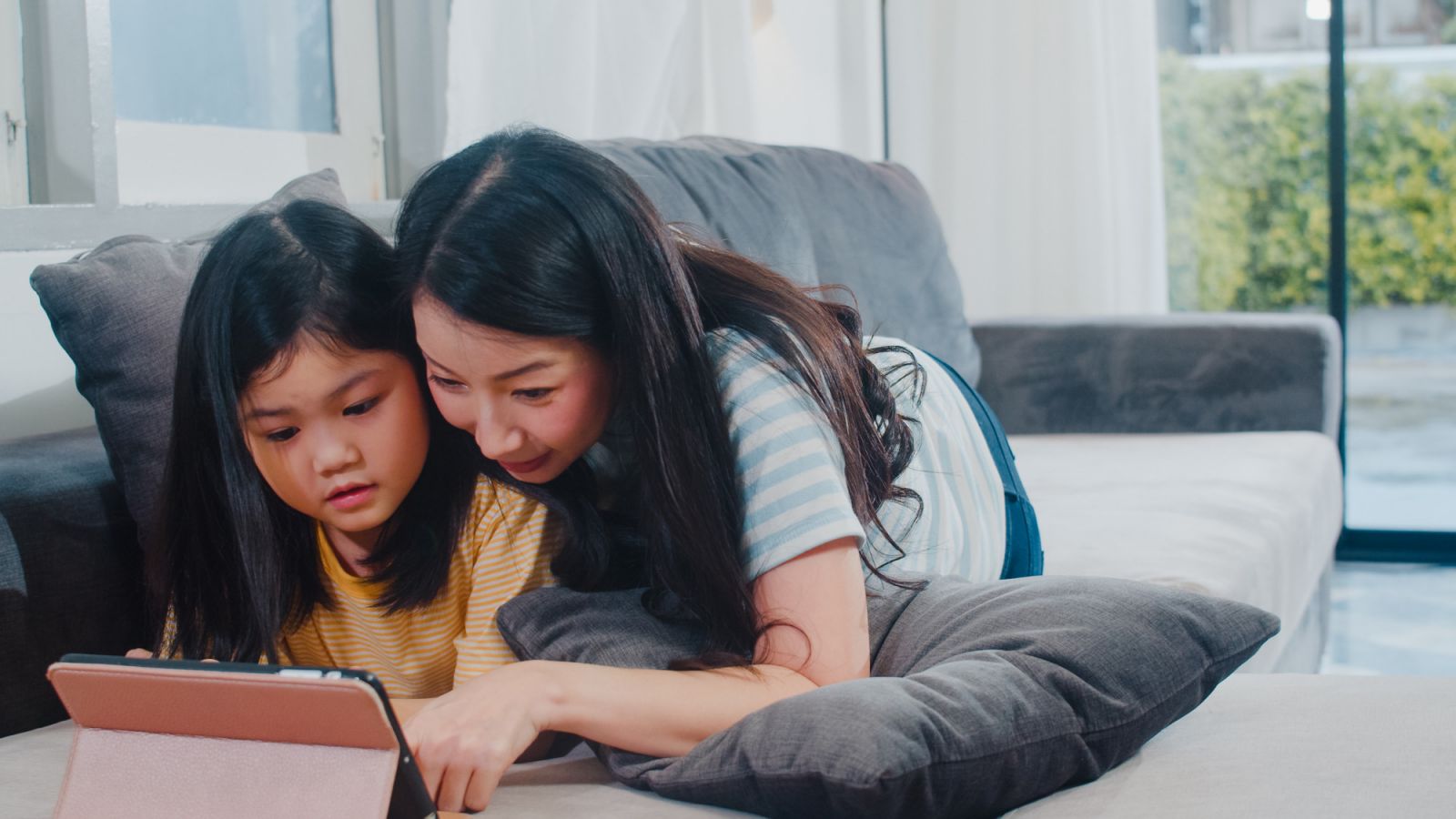
- Start at a young age: Educate them about privacy from an early age by using age-appropriate language and providing simple examples of privacy, for instance, by teaching them the importance of closing the bedroom door if they want to be alone or by teaching them not to take toys or personal belongings from friends without permission.
- Teach privacy concepts: Talk to kids about privacy and its importance. Explain that privacy is the right of each individual to have their own space and time where they feel safe.
- Recognize situations that require privacy: Recognize situations where privacy is important, such as when they go to the toilet, shower, or change clothes. Teach them the importance of closing the door and letting others know they need privacy.
- Learn about online boundaries: Talk about the importance of keeping personal information, such as full names, addresses, phone numbers, or other personal information, safe while interacting on the Internet or social media. Encourage them to be careful about sharing information online and avoid sharing information that could compromise their safety.
They still need to be open to parents.

Ensuring that children maintain their privacy while remaining open to parents can be challenging, but several approaches can help in this situation:
- Safe Environment: Create a safe and open atmosphere for children to talk and share. They are more likely to open up if they feel comfortable and confident that they are being heard and not judged.
- Respect their privacy: Show children that we respect their privacy by not probing or spying on their private things, such as their text messages, diaries, or private space, unless there is a good reason to do so. Maintain their trust by sticking to the personal boundaries they set.
- Offer emotional support: Encourage children to feel comfortable sharing their feelings and emotions with their parents. Provide the emotional support they need when struggling or feeling stressed by showing understanding, support, and compassion by listening to them without judgment.
- Open to questions and discussion: Greet them openly and positively if they are curious about issues that may be sensitive or complicated. If you don't know the answer, be willing to find out together to teach children that there is room for exploration and mutual understanding through open communication.
- Mutual respect: Be careful and value your relationship with your child. Let them feel valued, heard, and important in the family. This gives them confidence and encourages them to keep an open mind and share.
Always remember that education about privacy is an ongoing process. Continue communicating with the child and adapting the approach to age and development. Give them an understanding of the importance of privacy and how to protect themselves and respect the privacy of others.