Hello, Wonderful Women! Ever heard of thalassemia? It's a blood disorder that affects how your body produces hemoglobin, the crucial oxygen-carrying protein. In this Fitie article, let's unravel the mysteries of thalassemia: what it is, why it happens, and how it can be managed.
Thalassemia: A Brief Overview
Thalassemia is a blood disorder leading to abnormal hemoglobin formation. Hemoglobin, found in red blood cells, is vital in carrying oxygen throughout the body. In thalassemia, the body produces insufficient healthy red blood cells and hemoglobin, causing anemia (a shortage of red blood cells).
The Root Cause: Inherited Traits
Thalassemia is inherited from parents. If even one parent carries the thalassemia trait, it can be passed on to their children. When both parents have thalassemia, the child has an increased likelihood of experiencing the disorder. There are three main types: beta-thalassemia, alpha-thalassemia, and thalassemia minor, each presenting different symptoms and severity levels.
Recognizing the Symptoms
Symptoms of thalassemia typically emerge in childhood or adolescence and may include bone deformities, dark urine, delayed growth, persistent fatigue, and yellow or pale skin. The severity varies, and it's crucial to identify these signs early on.
Types of Thalassemia and Their Characteristics
-
Beta Thalassemia
- Thalassemia Major: The most severe form, manifesting before 2 years of age, causing severe anemia and various symptoms.
- Thalassemia Intermedia: Less severe than major, with milder symptoms.
-
Alpha Thalassemia
- Hemoglobin H: Caused by changes in 3 alpha globin genes, leading to facial bone issues, jaundice, enlarged spleen, and malnutrition.
- Hydrops fetalis: Results from changes in all 4 alpha globin genes, often fatal shortly after birth or stillborn.
Marriage and Thalassemia: Understanding the Risks
If one parent is a carrier, 50% of their children may carry the trait. If both parents are carriers, 25% risk having thalassemia major, 50% may be carriers, and 25% could be healthy. Screening for thalassemia before marriage is essential to understand potential risks.

It is necessary to be screened for thalassemia before marriage
Diagnosis and Treatment
Diagnosing thalassemia often occurs in childhood through blood tests. Treatments include blood transfusions, iron chelation to eliminate excess iron, folic acid supplements to aid healthy red blood cell formation, and, in severe cases, bone marrow or stem cell transplants.
Conclusion: Taking Charge of Thalassemia
Understanding thalassemia is crucial for women and families. Early detection, genetic screening, and proper medical management play key roles. If you want to delve deeper into health articles or explore more about thalassemia, head to our website or download the Fitie application.
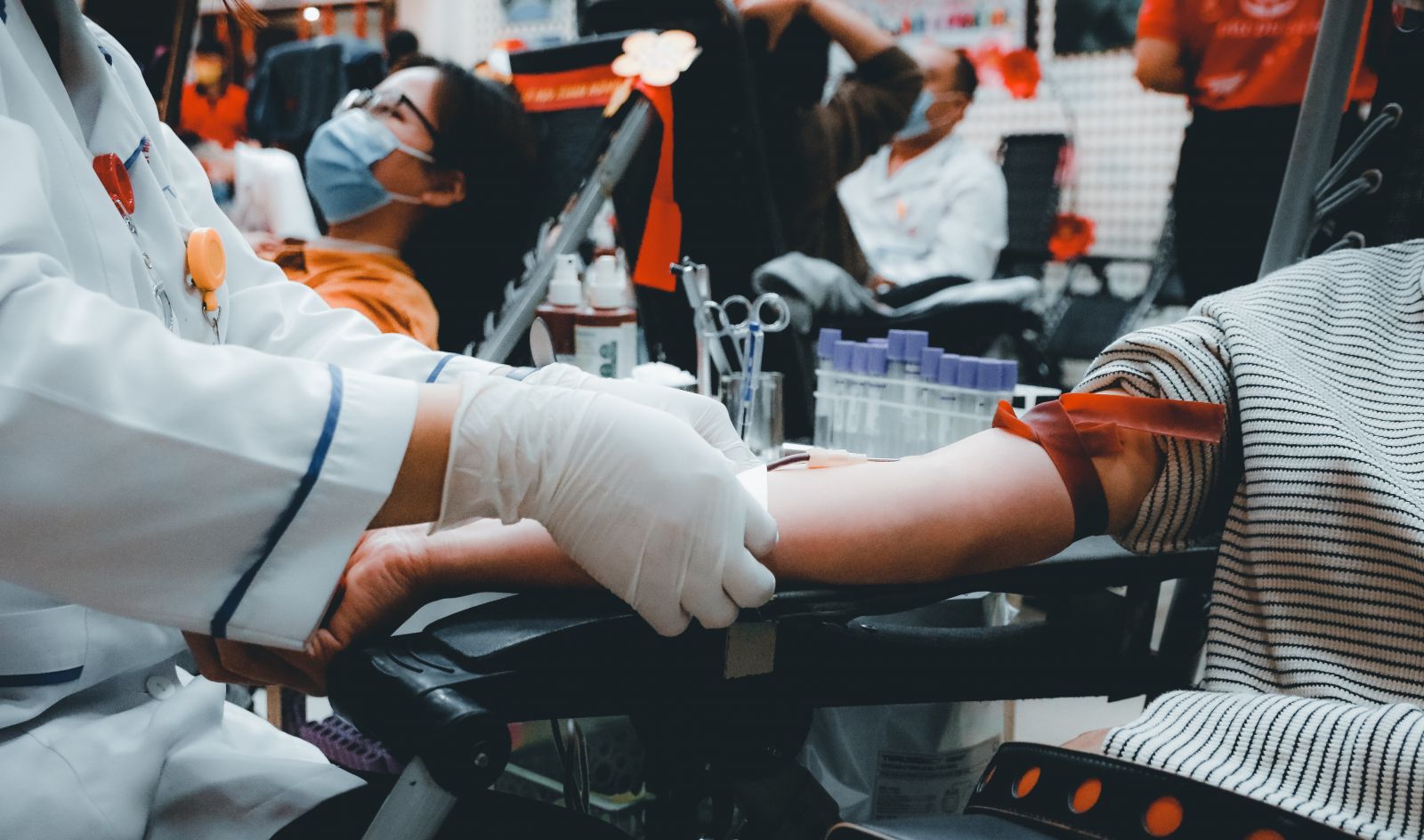
The typical treatment for thalassemia is blood transfusion
Stay informed, stay healthy, wonderful women!