Hello, lovely ladies! ? Ever wondered about those little spots on your skin? Yes, we're talking about moles! These common skin companions come in various shapes and sizes, and while they're generally harmless, it's crucial to understand their importance in skin health. Let's dive into the world of moles together and gain some valuable insights.
What Exactly is a Mole?

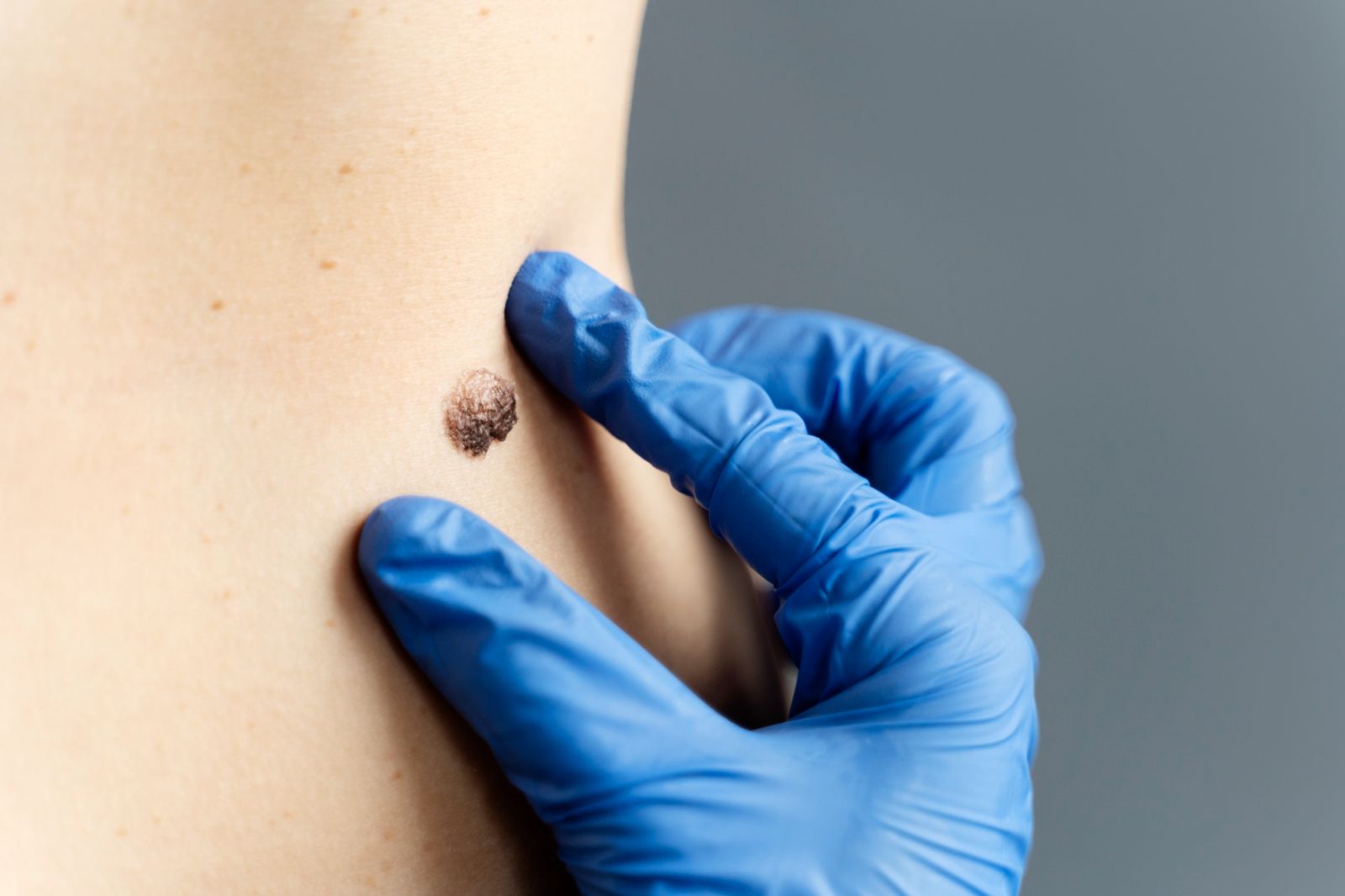
Moles are essentially gatherings of melanocyte cells in the top layer of your skin, producing that pigment we know as melanin. They can be flat or raised, small or large, and exhibit a range of colors from brown and black to red or matching your skin tone. Usually making their debut in childhood or adolescence, moles can change as we age.
Different Moles, Different Stories:
-
Congenital Moles: These little companions have been with you since day one, possibly even from your time in the womb. They can vary in size and color.
-
Sun Exposure Pals: New moles or alterations to existing ones might be triggered by excessive sun exposure. Sunscreen, here we come!
-
Common Moles: The most, well, common type! Popping up during childhood or adolescence, they might decide to switch things up as they journey through life.
Why Keep an Eye on Your Moles?
-
Spotting Melanoma Early: Melanoma, a serious type of skin cancer, can be lurking among your moles. Regularly monitoring and noting any changes can help catch it early.
-
Flagging Other Skin Issues: Changes in moles could signal non-melanoma skin cancers like basal cell carcinoma or squamous cell carcinoma.
-
Sun Protection for Moles: Too much sun can spell trouble for your moles. Shield them with sunscreen and avoid excessive sun exposure to prevent potential skin damage.
When to Ring Your Dermatologist?
Read also :
-
Color, Shape, or Size Shift: If your mole decides to go through a makeover with changes in color, shape, or rapid growth, consult your dermatologist.
-
Itching or Bleeding Moles: Moles itching like crazy or bleeding without a clear reason? Time to get some expert advice.
-
Discomfort or Pain: If your mole starts causing discomfort, pain, or irritation, don't hesitate to reach out to your dermatologist.
Moles are like tiny companions on our skin journey, and while most are harmless, a watchful eye can help detect potential issues early. Regular self-exams and routine check-ups with your dermatologist are your skin's best friends. Armed with this knowledge, let's embrace healthy skin and catch any potential concerns before they become bigger issues!