Hello, wonderful women! Let's delve into a topic that concerns our loved ones, especially the younger ones – Stomatitis. When thrush strikes, it can make simple things like eating or even touching your teeth uncomfortable. But is stomatitis only about canker sores? Let's find out together in this Fitie article.
Stomatitis is inflammation that happens in the mouth, specifically in the thin skin covering the inner surface – the mucous membrane. This membrane safeguards and aids the digestive system from mouth to anus. So, is stomatitis just another term for canker sores? Yes, but the type we're talking about is recurrent aphthous stomatitis (RAS) or canker sores.
1. Canker Sore:
Canker sores are the most common form of stomatitis. They look like pale or yellowish wounds with a reddish outer edge. These sores can appear singly or in groups inside the cheeks, lips, tongue, and gums.
Causes:
- Accidental bites, dental work, sharp tooth surfaces, braces, dentures, or retainers.
- Breathing through the mouth when the nose is blocked.
- Celiac disease, sensitivity reactions to certain foods, allergies, inflammatory bowel disease, autoimmune conditions, HIV/AIDS, nutritional deficiencies, stress, certain medications, and Candida albicans infection.
Canker sores are usually short-lived, healing in about 4-14 days. However, severe cases can last from 10 days to 6 weeks. Interestingly, canker sores are more common among younger age groups, particularly teenagers to those in their 20s. While it's not contagious, it may run in families.
2. Cold Sore:
Cold sores are small, painful sores filled with fluid, typically around the lips. This is a rare form of stomatitis caused by the herpes virus (HSV), also known as herpes stomatitis. It often occurs in children aged 6 months to 5 years.
Symptoms: There's usually a burning or tingling sensation before the sore appears. Pressing the area may cause pain. Once dried, it forms a yellow scab. Cold sores last 5-7 days, can recur, and are highly contagious.
Symptoms of Stomatitis:
- For Canker Sores: Pale or yellow sores with a red base, blisters, swelling, stinging, and pain.
- For Herpes Stomatitis (Cold Sores): Blisters make eating, drinking, and swallowing difficult. It can be accompanied by fever, pain, and swollen gums.
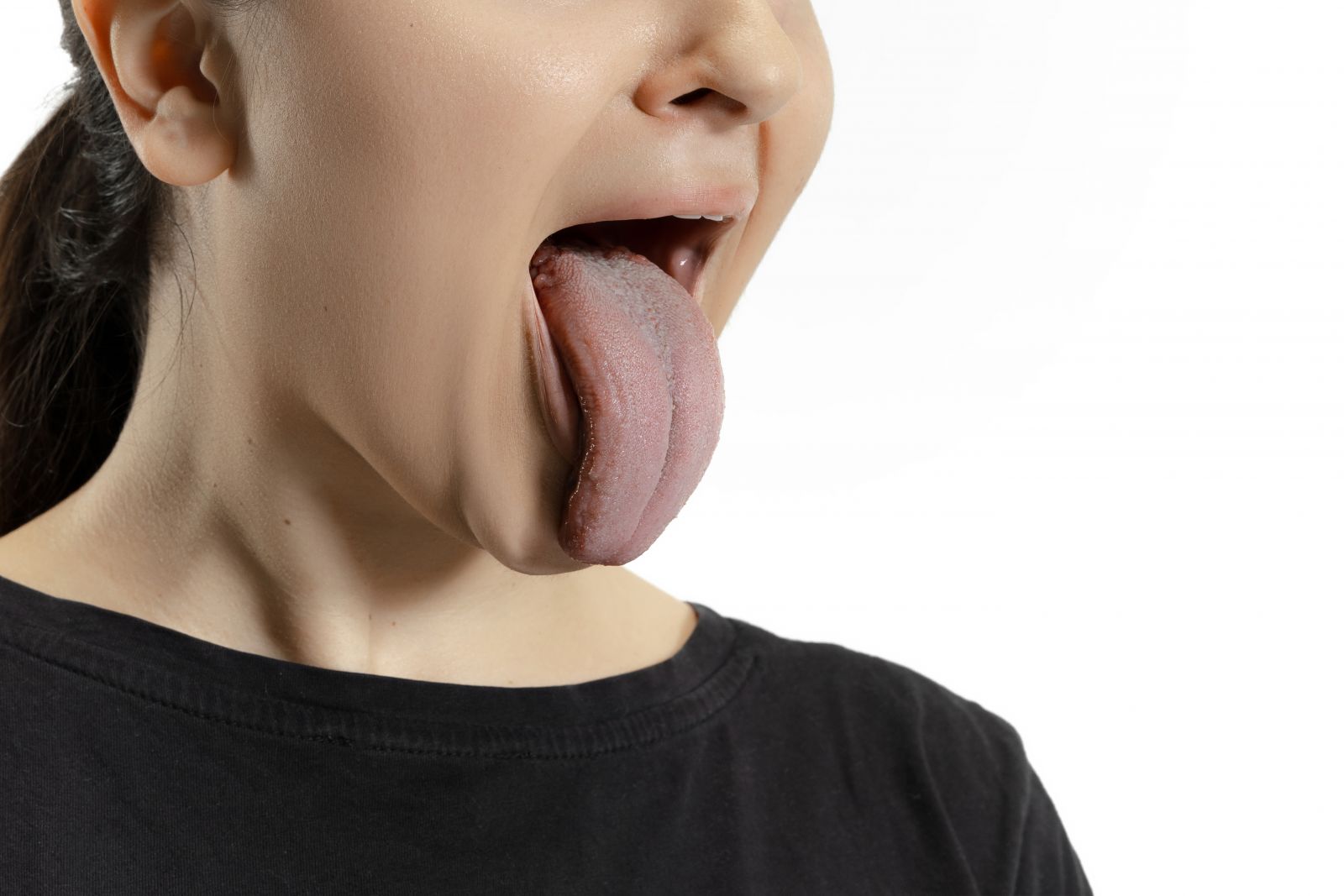
Canker sores are small white or yellowish sores with redness around the edges
Diagnosis:
Diagnosing stomatitis involves physical examinations, swabs to detect bacteria or viruses, tissue scraping, biopsy, blood tests, and patch tests for allergies. A thorough examination is crucial, considering other conditions may cause stomatitis. This helps determine the right treatment.
Treatment:
Treatment depends on the type of stomatitis. Aphthous stomatitis usually doesn't need specific treatment. Topical creams or medications can numb significant canker sores. Rarely, drugs like cimetidine, colchicine, or oral steroids may be prescribed.
For herpes stomatitis, antiviral drugs like acyclovir may be prescribed. Topical lidocaine can be used for severe pain. Dehydration is a concern in children, so it is important to ensure they drink enough water and consult a nutritionist for dietary advice.
Prevention:
- Use antiseptic and non-alcoholic mouthwash.
- Employ a soft toothbrush.
- Maintain good oral hygiene.
- Treat chronic dry mouth.
- Ensure proper hydration and balanced nutrition.

Use a soft toothbrush, clean with antiseptic mouthwash, and keep your body hydrated to avoid canker sores
Understanding stomatitis is crucial, especially since it may not be your typical canker sore. While canker sores aren't contagious, herpes stomatitis is. For more insightful articles, visit Fitie's website or download the app! Stay informed and empowered!