Have you ever seen a skin condition similar to chicken skin? Like there are small bumps, and the color differs from the skin? This condition is called Keratosis Pilaris or chicken skin. Do you already know, ladies? Let's see the explanation in this article, from understanding to how to treat it.
Definition
Keratosis Pilaris, or chicken skin, is a skin condition that looks like tiny bumps. Also called chicken skin because it looks like chicken skin. Keratosis Pilaris is most common on the upper arms but can also occur in other areas, such as:
- Face (cheeks, neck, under the eyes)
- Thigh
- Back
- Chest
- Butt
- Forearm
The appearance of these bumps is due to an excess of keratin, a protein that helps the body form hair, nails, or the outer layer of the skin. The condition is so common that about 50-80% of teens and 40% of adults will experience it at some point in their lives, and it is more likely if:
- Have fine skin
- Have eczema
- Asthma
- Hypothyroidism
- Cushing's syndrome
- Down syndrome
- Diabetes
- Obesity
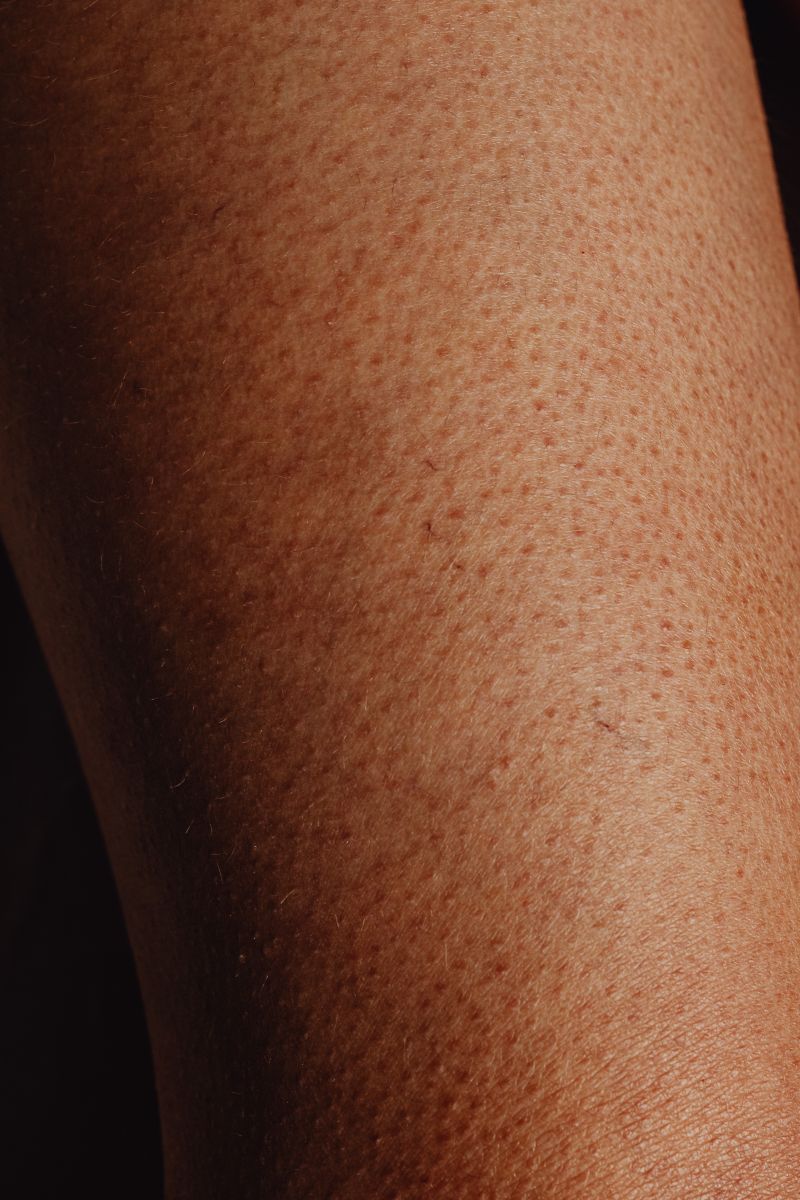
Keratosis Pilaris looks like chicken skin.
Symptom
Keratosis Pilaris does not hurt but can make a person insecure about their appearance. Keratosis Pilaris not only resembles chicken skin but is also said to resemble the outside of a strawberry due to the small spots.
Symptoms that can occur when experiencing this skin condition include:
- The skin feels itchy or dry.
- The bumps become irritated, producing a color that contrasts sharply with the skin and is more visible.
- The bumps make the skin feel rough.
- Bumps get worse when the air is drier in cold weather.
Causes
Keratosis Pilaris bumps appear because keratin clogs pores, which should be openings in the skin for hair follicles to emerge. As a result, small bumps form. When the bump is hollowed out, a small hair can be seen appearing.
The exact cause why keratin can build up is still unknown, and why some people and not others may experience this skin condition. However, doctors suspect it may be affected by a genetic disease or atopic dermatitis. Keratosis Pilaris is neither contagious nor dangerous.
Diagnosis
Diagnosis of Keratosis Pilaris is usually made by a simple physical examination of the skin where the bumps appear, what it looks like, and how old the patient is. Still, if the doctor is still unsure about his condition, further investigations may be performed, such as an allergy test or biopsy. This skin condition can be distinguished from several things, namely:
- If it hurts, it means it's not Keratosis Pilaris
- Feel itching or dryness in the lump or surrounding skin.
- When touched, it feels rough, like sandpaper.
- Color changes can match skin color, red, white, brown, dark brown, or black.
Treatment
Most cases do not need to be examined by a specialist, but it is also possible. Since the condition is harmless, no treatment is necessary, but avoid picking, scratching, or popping the lump. Keratosis Pilaris goes away independently or becomes more subtle around age 30.
On the other hand, possible treatments include:
- Use an over-the-counter lotion to moisturize dry skin and apply it several times daily, especially after bathing.
- Medicated cream according to doctor's prescription
- Exfoliate
- Laser treatment
- Drink plenty of water (at least 8 glasses a day)
- Take shorter showers, use warm water, exfoliating soap, and skin moisturizer.
- Apple cider vinegar, baking soda, or coconut oil, provided you've discussed this with your doctor beforehand

Keep the skin moist by using lotion, especially after bathing.
That explains Keratosis Pilaris, a skin condition in which small bumps develop. This happens because keratin clogs the pores. Keep calm; Keratosis is not dangerous but cannot be prevented. Therefore, make sure that the skin is moisturized and treat it gently. Let's read other Fitie articles!