Regular direct contact with pets can cause the transmission of fungal infections, including cats. This condition is called ringworm. However, does it only happen because it comes into contact with cats? Let's find out other causes in the explanation of this article.
Definition
Ringworm is a fungal infection that causes the skin to look like a red ring. The word "worm" does not mean that this infection is caused by worms but by fungus. Then what do you mean by a worm? The lesions created by this fungal infection look like an annular worm, that's why.
This skin infection is common and affects both humans and animals. The condition is easily contagious or spread through close contact. People, animals, or infected objects can transmit ringworm. Ringworm has different names depending on where it is affected.
Species include:
1. Body ringworm (tinea corporis)
Round ring-shaped rash on the limbs.
2. Athlete's Foot (tinea pedis)
Rash that itches and burns between the toes and the soles of the feet. Sometimes it causes the feet to be scaly, cracked, blistered or smelly.
3. Jock itch (tinea cruris)
An itchy red rash in the groin, upper thighs, or rectum. Sometimes blisters.
4. Scalp ringworm (tinea capitis)
Scalp ringworm causes scaly, red, itchy bald patches. It can get bigger if not treated immediately.
5. Hands (tinea manuum)
Ringworm of the hands or palms causes dry, cracked, and ring-like skin.
6. Beard (tinea barbae)
Ringworm of the neck, chin, or cheeks causes the skin to crust and even pus.
7. Toenails or fingernails (tinea unguium/onychomycosis)
Ringworm causes nails to thicken and change color and shape.
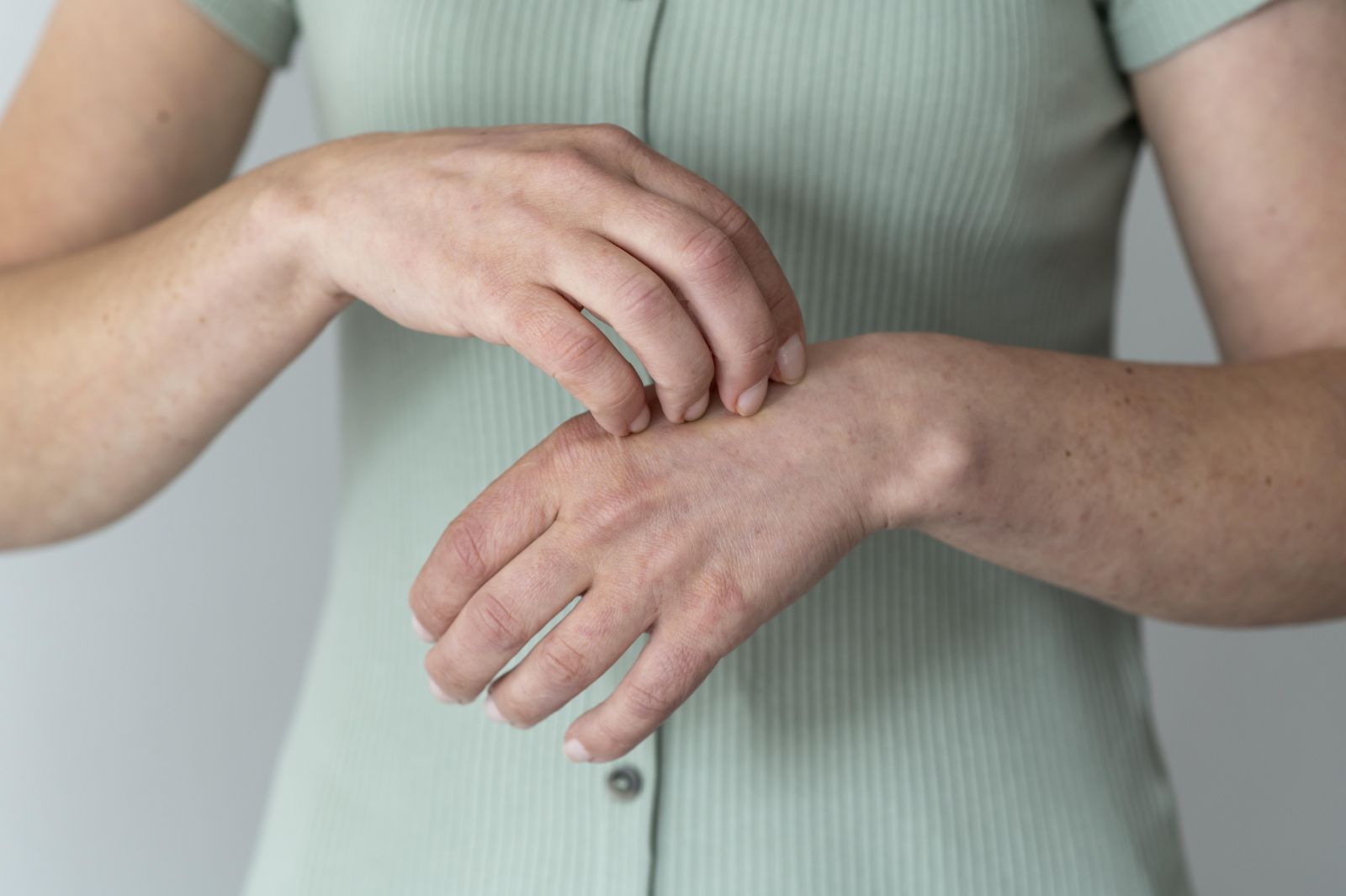
Ringworm causes the skin to become red, ring-shaped, and itchy.
Symptoms
The first infection causes red spots on fair skin or grayish brown on dark skin. Symptoms vary depending on which area is affected. The symptoms are itching, spotting, scaly, round, flat, blistering, annular, and hair loss in the infected area.
Causes
Remember, ringworm is not caused by worms but by fungi, such as Trichophyton, Microsporum, and Epidermophyton fungi. These fungi grow on skin, hair, and other moist surfaces. Ringworm is very contagious; it can come from the skin, surfaces, or soil. The mechanism of spread to humans is as follows:
1. Human to human
Contact someone who has ringworm, such as sharing personal items.
2. Animal to human
Contact with animals that are exposed to or come into contact with objects that come into contact with these animals. Cats and dogs, as are livestock, are the most common source of infection.
3. Objects to human
Contact with moldy objects or surfaces (moist areas) such as public bathroom floors or phone booths.
4. Soil to human
Direct contact with the soil transmits the fungus (mushrooms can live as spores in the soil for a long time).
All age groups can experience ringworm, but some people are more at risk, such as those with a weak immune system, excessive sweating, frequent use of lockers or public toilets, having pets or working in close contact with animals, living in a humid environment, and wearing tight clothing.
Diagnosis
Doctors can diagnose ringworm by examining the skin and examining the symptoms that are felt. Furthermore, a skin biopsy can also be done so that the sample is tested in a laboratory for the presence of fungus. Another option is to scrape a small infected area and then drip potassium hydroxide solution; the goal is to make the fungus more visible.
Treatment
Ringworm is generally treated with antifungal medications available in creams, gels, powders, or orally as the doctor directs. Make it a routine to always keep the infected area clean, apply ointment regularly, avoid touching the area, and wash your hands before touching other body parts. Ringworm may go away after treatment, but it doesn't prevent it from happening again.
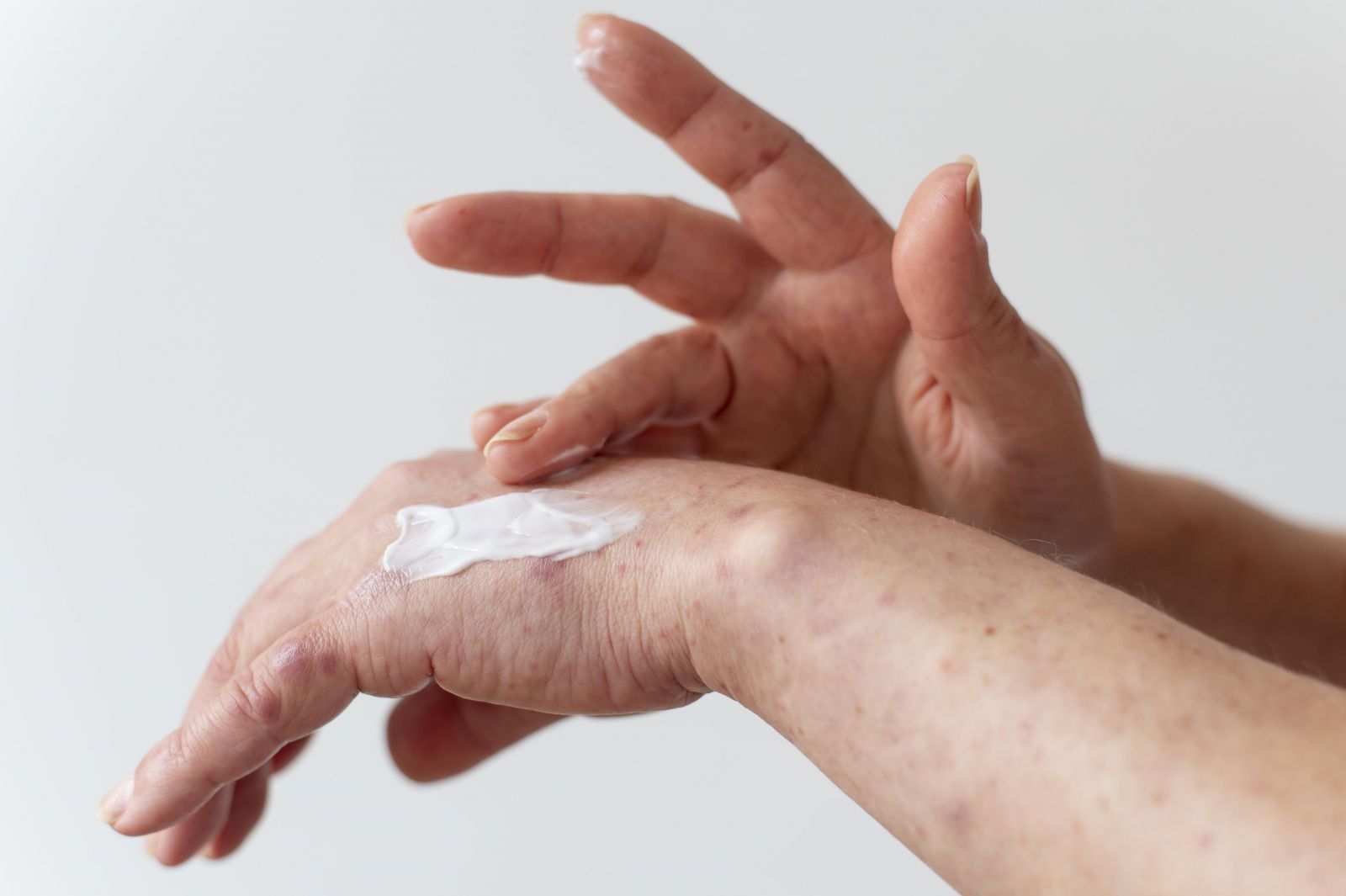
Ringworm is usually treated with antifungal medications.
That is an explanation of ringworm. Remember that the cause is not a worm but a fungus. Cats are not the only infection that occurs but also moist environments, surfaces, and soil. Be sure to get a prescription from a doctor for treatment. There are many other articles about Fitie; let's read them!