Acne is a common skin problem among many people. However, one interesting thing to note is why the face area is often more prone to developing pimples than other skin areas. Several factors can explain this phenomenon, including skin conditions, environmental exposures, and differences in the structural characteristics of facial skin.
Causes of Facial Skin is More Prone to Grow Acne
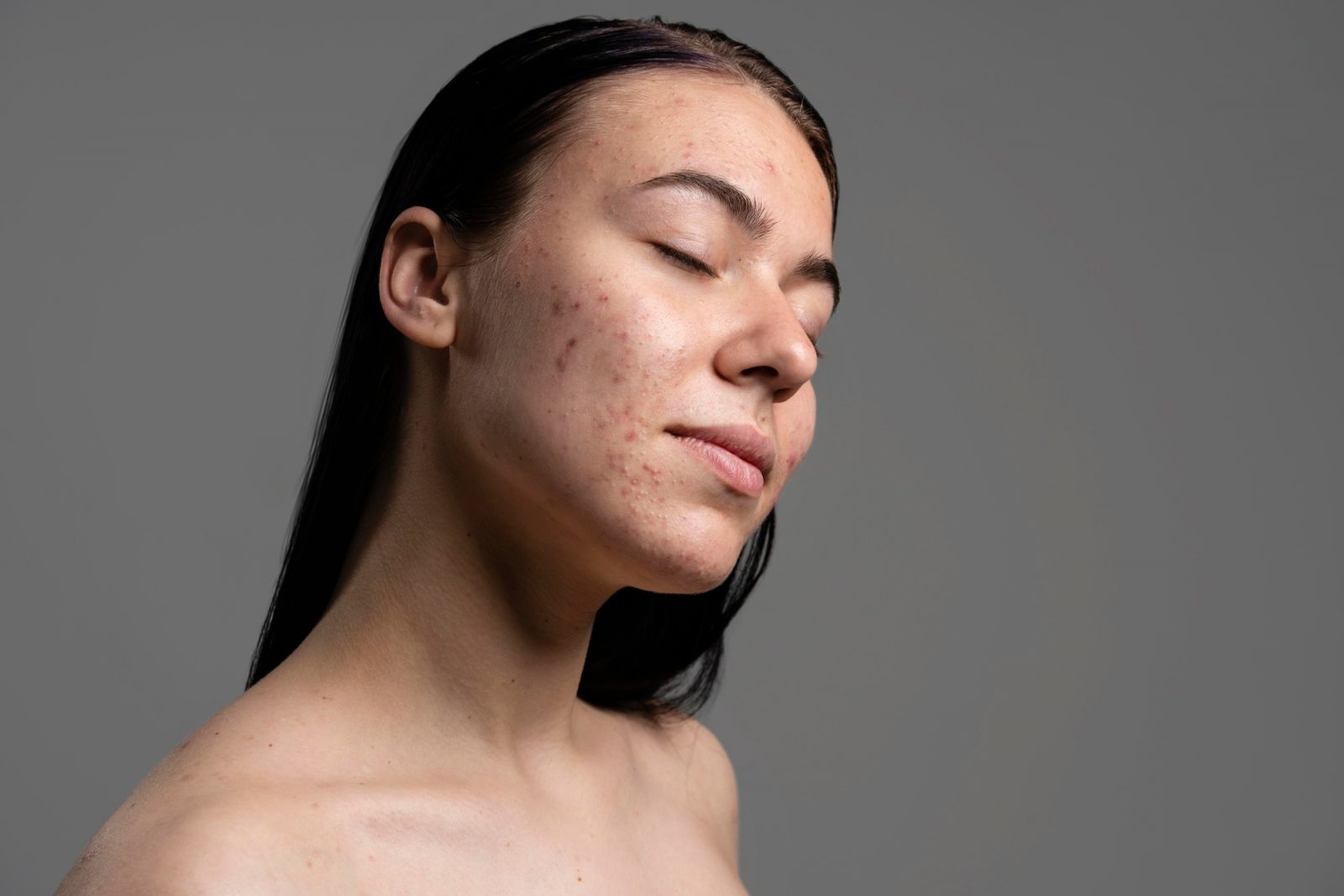
Higher Concentration of Oil Glands
The facial skin area has more oil glands than other skin areas. These oil glands produce sebum, the natural oil that lubricates the skin. When sebum production is excessive, it can lead to clogged pores and eventually form pimples.
Higher Skin Porosity
Facial skin generally has larger and more numerous pores than other skin areas. High porosity makes facial skin more susceptible to the accumulation of dirt, dead skin cells, and bacteria. When pores are clogged, pimples can appear as the body's response to a bacterial infection.
Higher Hormonal Activity
Hormones have an important role in the development of acne. During puberty, the production of hormones such as androgens increases, which affects the oil glands and causes excessive sebum production in the facial area, especially the T-zone (forehead, nose, and chin). These areas tend to have a higher concentration of oil glands, which makes them more prone to acne.
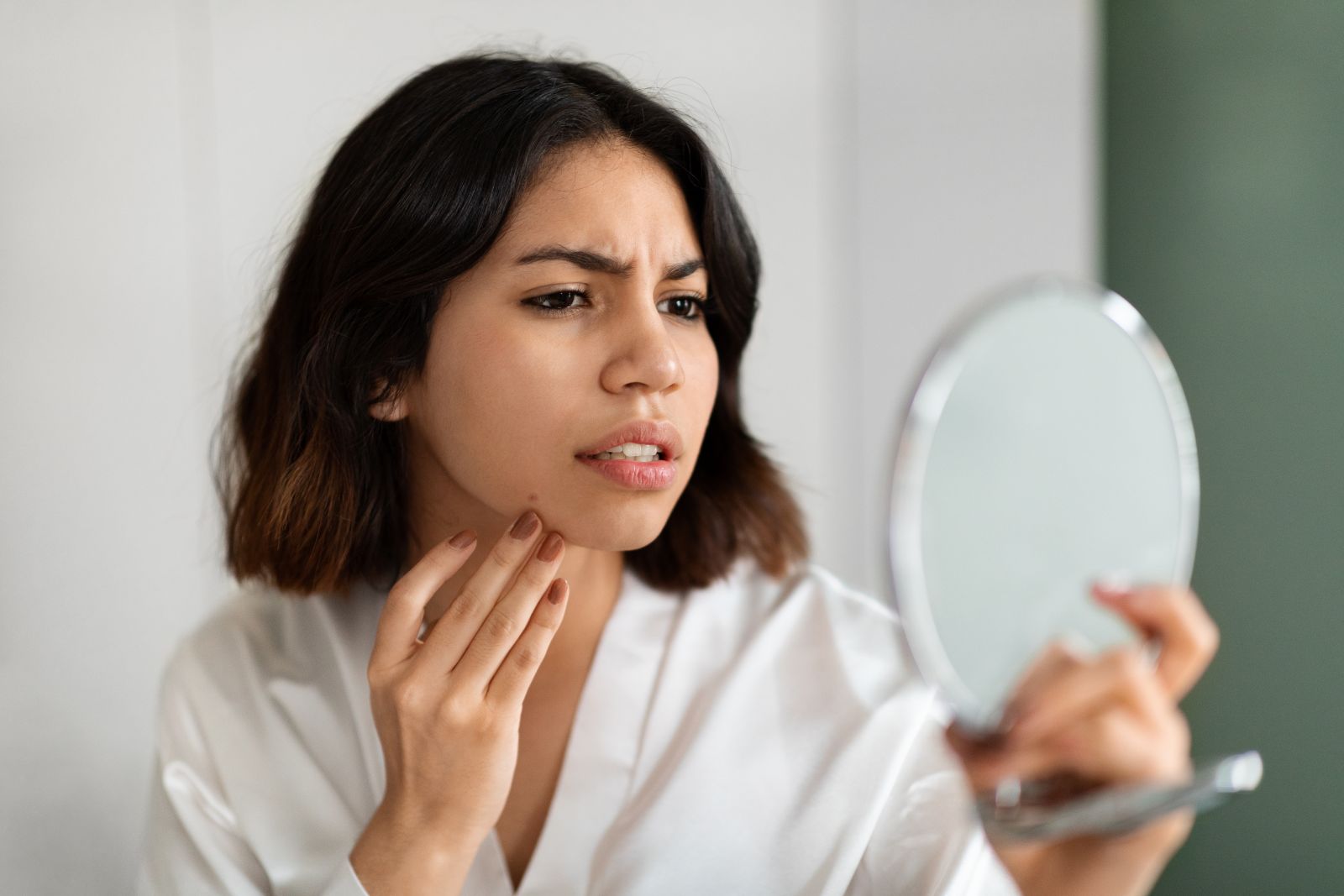
Higher Environmental Exposure
The face is the most exposed part of the skin and is directly exposed to the environment. Exposure to sunlight, air pollution, dust, and chemicals can affect skin health. For example, sunlight can trigger excessive sebum production and stimulate inflammation of the facial skin, which has the potential to cause acne.
Use of Unsuitable Treatment Products
Using skin care products that are not suitable, such as heavy moisturizers or oily cosmetics, can clog pores and trigger the growth of acne. In addition, the use of products that are not suitable for certain skin types can also irritate the skin and cause acne.
Higher Skin Sensitivity
Facial skin tends to be more sensitive than other skin areas. Exposure to irritants, such as cosmetics, skin care products, or air pollution, can trigger an inflammatory reaction on facial skin. This inflammation can cause an increase in sebum production and a buildup of dead skin cells, eventually leading to acne.
Although areas of the face tend to be more prone to acne, this doesn't mean that other areas of the skin can't get acne. Acne can also appear in other areas of the body, especially areas with a high concentration of oil glands, such as the back, chest, and shoulders.
Proper skincare is very important to reduce the risk of acne. Cleansing your face regularly with a gentle cleanser, using non-comedogenic products, avoiding excessive use of oily cosmetics, and maintaining a healthy diet can help keep your skin clean and healthy.