Child trauma is an experience that is distressing and threatens a child's physical or emotional safety. Trauma can be caused by various events, such as violence, losing a loved one, an accident, or a situation where a child's life is seriously threatened. In this article, we discuss the significance of trauma in children, its effects, and how to support the healing process.
Definition of Childhood Trauma

Childhood trauma occurs when children experience events or situations that threaten their safety, both physically and emotionally. Traumatized children may experience persistent fear, anger, anxiety, or confusion. Trauma can affect a child's cognitive, emotional, behavioral, and social relationships.
Impact Of Trauma On Children
- Emotional problems: Traumatized children may experience anxiety, depression, excessive anxiety, or sudden mood swings.
- Behavioral problems: Trauma can affect a child's behavior, such as aggression, destructive behavior, inappropriate behavior, or withdrawal behavior.
- Learning disabilities: Traumatized children often have difficulty concentrating, reduced motivation to study, or difficulty retaining new information.
- Mental disorders: Childhood trauma can increase the risk of mental disorders such as anxiety disorders, post-traumatic stress disorder (PTSD), or sleep disorders.
- Impaired social relationships: Traumatized children may have difficulty establishing and maintaining healthy social relationships.
Supports the healing process
- Create safety and reassurance: Traumatized children need a safe and stable environment. Make sure they feel heard, understood, and protected.
- Listen and communicate: Let children talk about their experiences in an understanding and non-judgmental way. Give them a chance to express their feelings and thoughts.
- Seek professional help: See a mental health professional experienced in childhood trauma. They can help assess and plan appropriate interventions.
- Help children develop coping strategies: Teach them relaxation, deep breathing, or visualization techniques to help them cope with anxiety or stress.
- Build social support: Support from family, friends, or the community is vital in healing a child's trauma. Help your child connect with people who can provide support and understanding.
- The importance of routine and structure: Regular routines and a clear structure can help children feel more secure and supported.
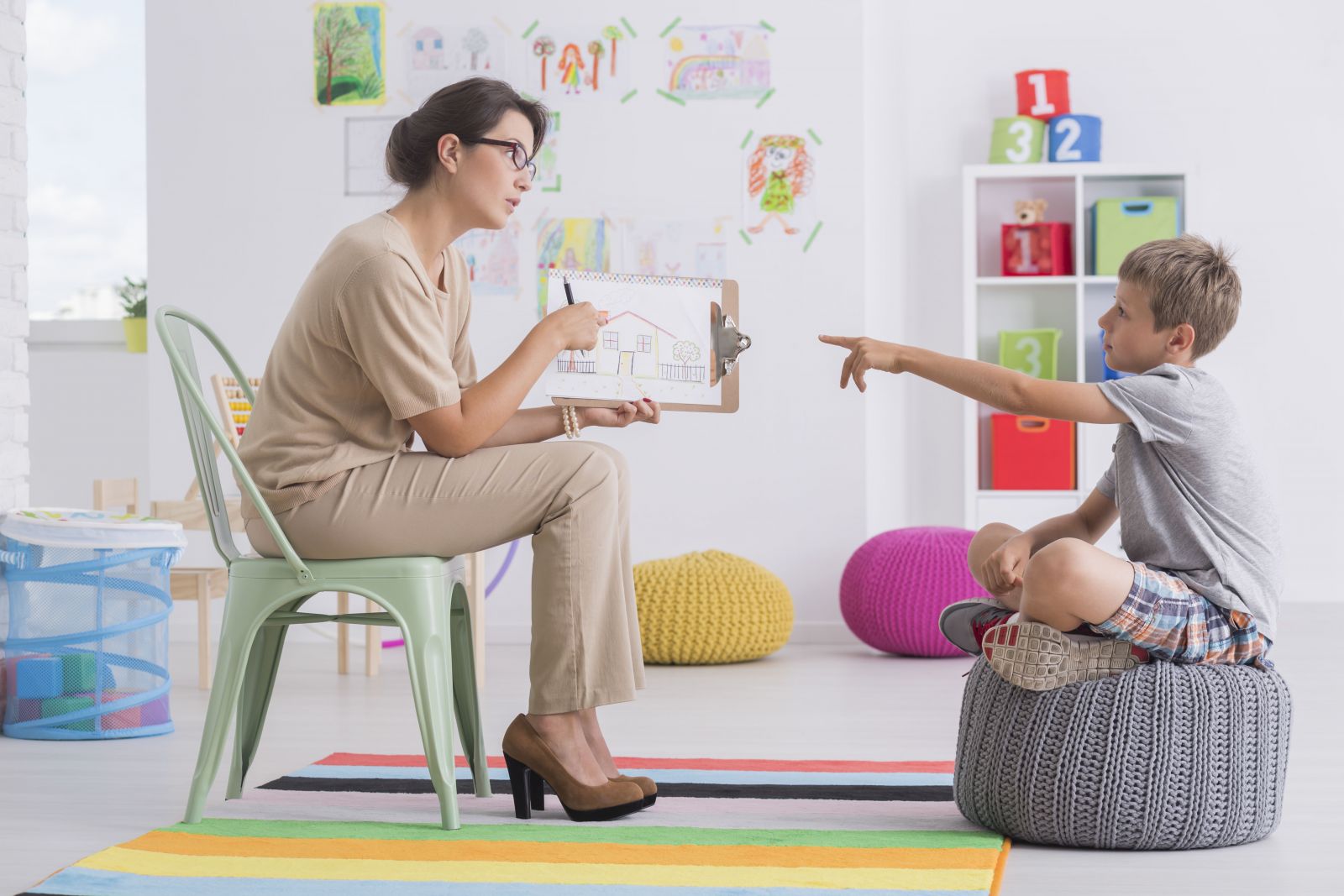
Trauma in children is a distressing experience that affects their physical, emotional, and social development. The impact of trauma on children can vary, but with the proper support, children have the potential to recover and grow positively. Listening, creating a safe environment, and seeking appropriate professional help are essential to support a traumatized child's healing process. We can help children build their inner strength and move towards a brighter future by providing support.