Stretch marks, or white or pink streaks on the skin, are a common problem for many people. Stretch marks occur when the skin is stretched suddenly or continuously over a short period. While not medically dangerous, stretch marks can be a source of aesthetic discomfort and a cause of insecurity for some people. This article will discuss the causes of stretch marks, how to prevent them, and treatment options.
Causes of Stretch Marks
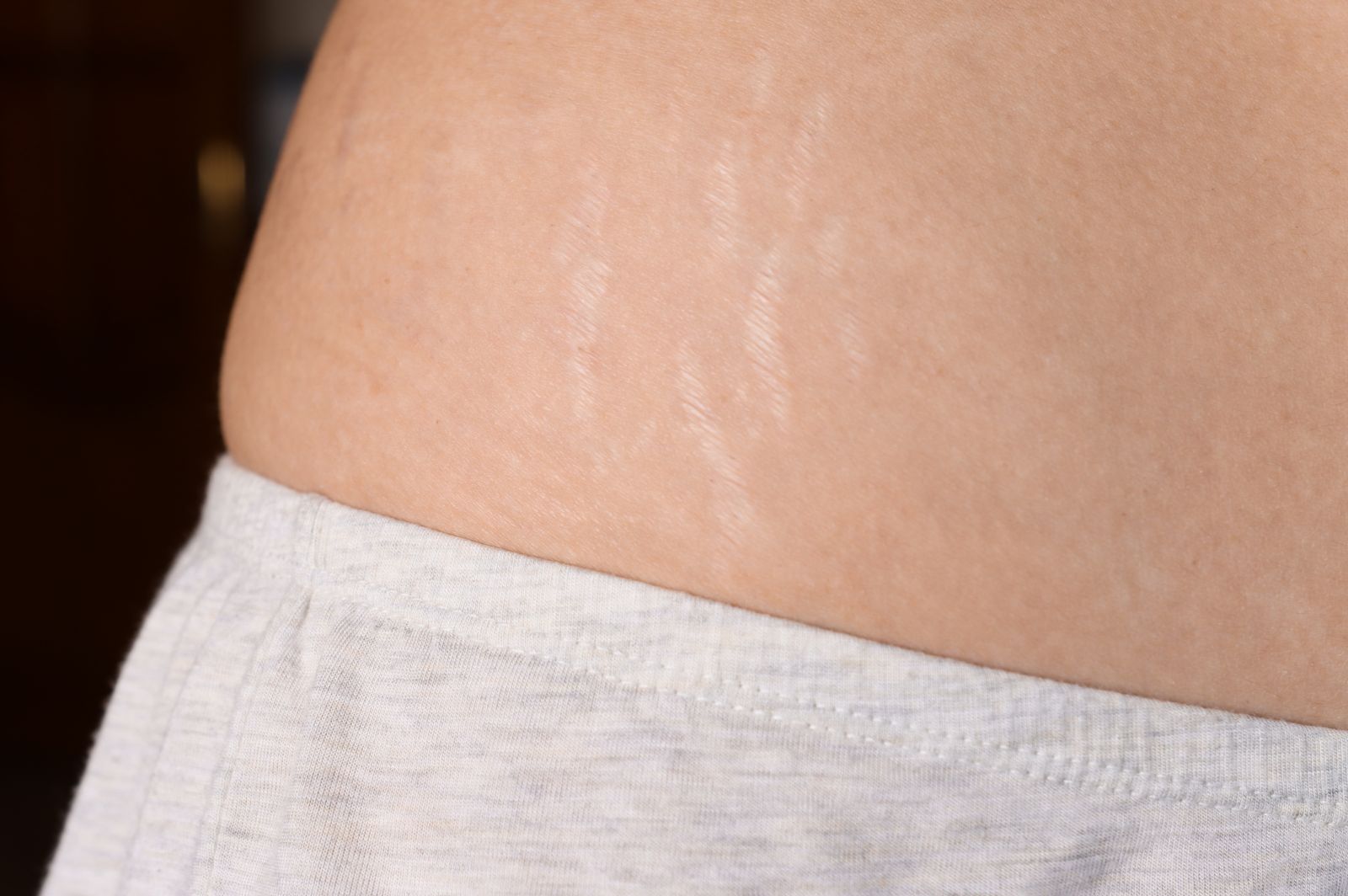
Stretch marks usually occur due to rapid changes in skin elasticity. Some of the factors that can cause stretch marks include:
- Weight Change: Rapid weight gain or drastic weight loss can damage skin elasticity, causing stretch marks.
- Pregnancy: Hormonal changes and abdominal growth during pregnancy can cause stretch marks on the abdomen, breasts, thighs, and hips.
- Puberty Transitions: Hormonal changes during puberty can cause rapid body growth, leading to stretch marks.
- Genetic Factors: Heredity can also influence a person's tendency to have stretch marks.
Prevention of Stretch Marks
There are several steps you can take to reduce the risk of stretch marks appearing, namely:
Maintain a Healthy Weight: Maintain a healthy weight balance by adopting a balanced diet and regular exercise.
Skincare: Routinely apply moisturizers or creams that contain vitamin E, retinoic acid, or natural oils to areas prone to stretch marks, such as the abdomen, hips, and breasts.
Consume Proper Nutrition: Eat foods rich in vitamins C, E, zinc, and protein to help maintain skin elasticity.
Stretch Mark Treatment
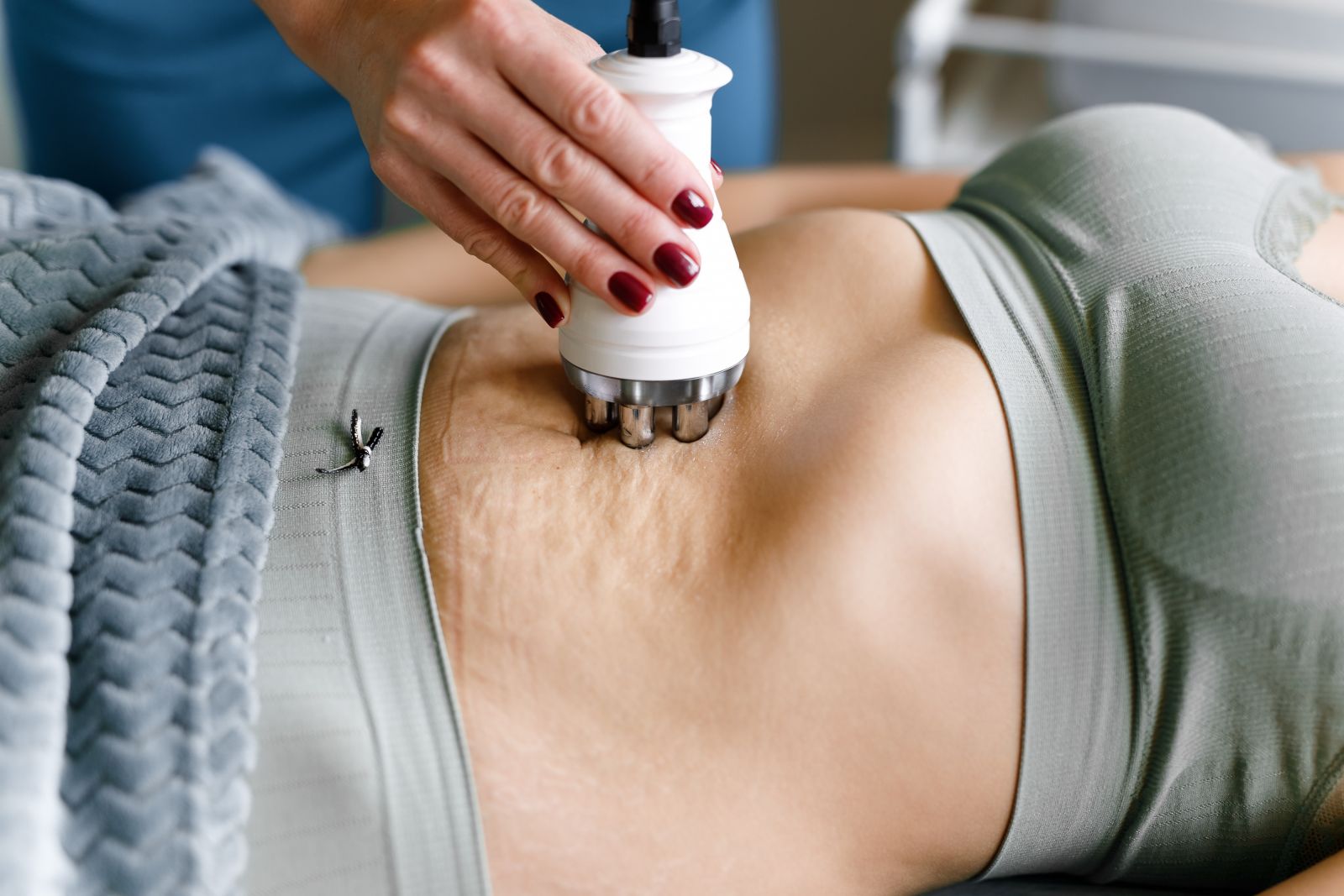
While there's no perfect way to get rid of stretch marks completely, there are several treatment options that can help fade their appearance:
- Creams or Oils: Using creams or oils that contain ingredients such as retinoic acid, glycolic acid, vitamin C, or natural oils can help improve skin texture and fade stretch marks.
- Laser Therapy: Laser therapy can stimulate collagen production and fade the appearance of stretch marks.
- Microdermabrasion Therapy: A microdermabrasion procedure uses special tools to remove the top layer of skin affected by stretch marks, stimulating new skin growth.
- Medical Treatment: Some medical treatments using hyaluronic acid or tretinoin may be recommended by a dermatologist to help fade stretch marks.
Stretch marks are common changes in the skin resulting from rapid or prolonged stretching. Although they are not medically dangerous, they can be a source of insecurity for some people. But remember that treatment results may vary between individuals. Consult a dermatologist for appropriate guidance and recommendations if you have any concerns or want further advice. Hopefully, this article helps you!