Hello, wonderful ladies! Today, let's dive into the topic of Vaginal Birth After Cesarean (VBAC). It's all about the possibility of having a natural birth after undergoing a cesarean section in a previous pregnancy. Exciting, right? Let's get into the details through this Fitie article.
VBAC stands for Vaginal Birth After Cesarean, where women opt for vaginal delivery after having a C-section in a prior pregnancy. A cesarean section involves making an incision in the stomach to deliver the baby either through a transverse or vertical incision.
To aim for a natural birth, women typically undergo a Trial of Labor (TOL) or a Trial of Labor After Cesarean (TOLAC). While VBAC is generally considered safe with up to 80% success, it does carry the risk of complications, particularly uterine rupture (tearing of the uterine wall during the normal delivery process).
Understanding the Risks: Uterine Rupture
Uterine rupture occurs when the scar left by a previous cesarean section opens during strong labor or pushing. This condition brings potential risks, including:
- Blood loss
- Blood clots
- Need for hysterectomy
- Bladder damage
- Infection
The location and direction of the incision in the stomach don't precisely determine the incision in the uterus. However, certain thoughts on risks include:
- Low-lying transverse incisions at the bottom of the uterus have the lowest risk.
- Low-lying vertical incisions have a higher risk than low-lying transverse incisions.
- High vertical incisions (classic incisions) at the top of the uterus carry the highest risk.
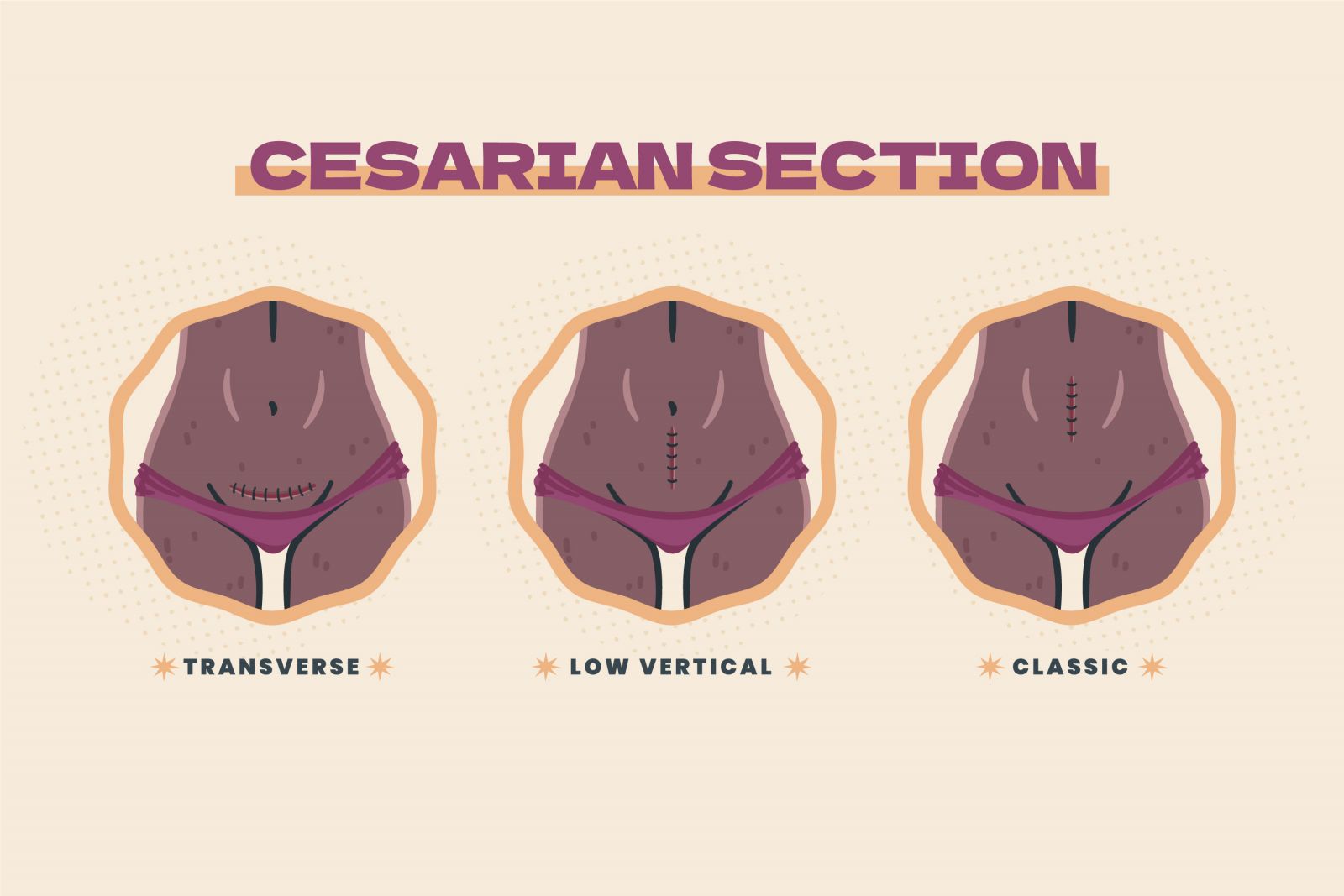
Three types of caesarean section incisions
What to Consider: The Decision-Making Process
Pregnant women with a history of C-sections have two choices: another cesarean operation or a standard delivery. If a vaginal birth is preferred, consulting with a doctor is crucial. Factors such as medical history, current pregnancy conditions, and reasons for the previous cesarean are vital in making an informed decision.
Success Factors for VBAC:
The chances of successful VBAC are higher when:
- There are no more than two previous cesarean deliveries, with incisions made horizontally.
- No uterine abnormalities or scars are present.
- No history of uterine rupture.
Benefits of VBAC:
Opting for VBAC, if safe, offers several advantages, including quicker recovery, no abdominal incisions, reduced blood loss, lower infection risk, and minimized complications associated with cesarean sections. Additionally, the baby can benefit from passing through the birth canal, aiding in lung cleaning and enhancing the immune system with beneficial bacteria.

VBAC has a positive impact on the baby
Yes, having a vaginal birth after a cesarean is possible! Discuss your desires and options with your doctor while aware of the risks. Fitie has a treasure trove of pregnancy articles to explore – let's read and stay informed!
Wishing you a smooth and joyful pregnancy journey!