Milia and fungal acne may share a similar appearance on the face, but they stem from different causes and demand distinct treatments. Let's unravel the disparities between these two common skin issues to help you identify and address them effectively.
Get to Know Milia
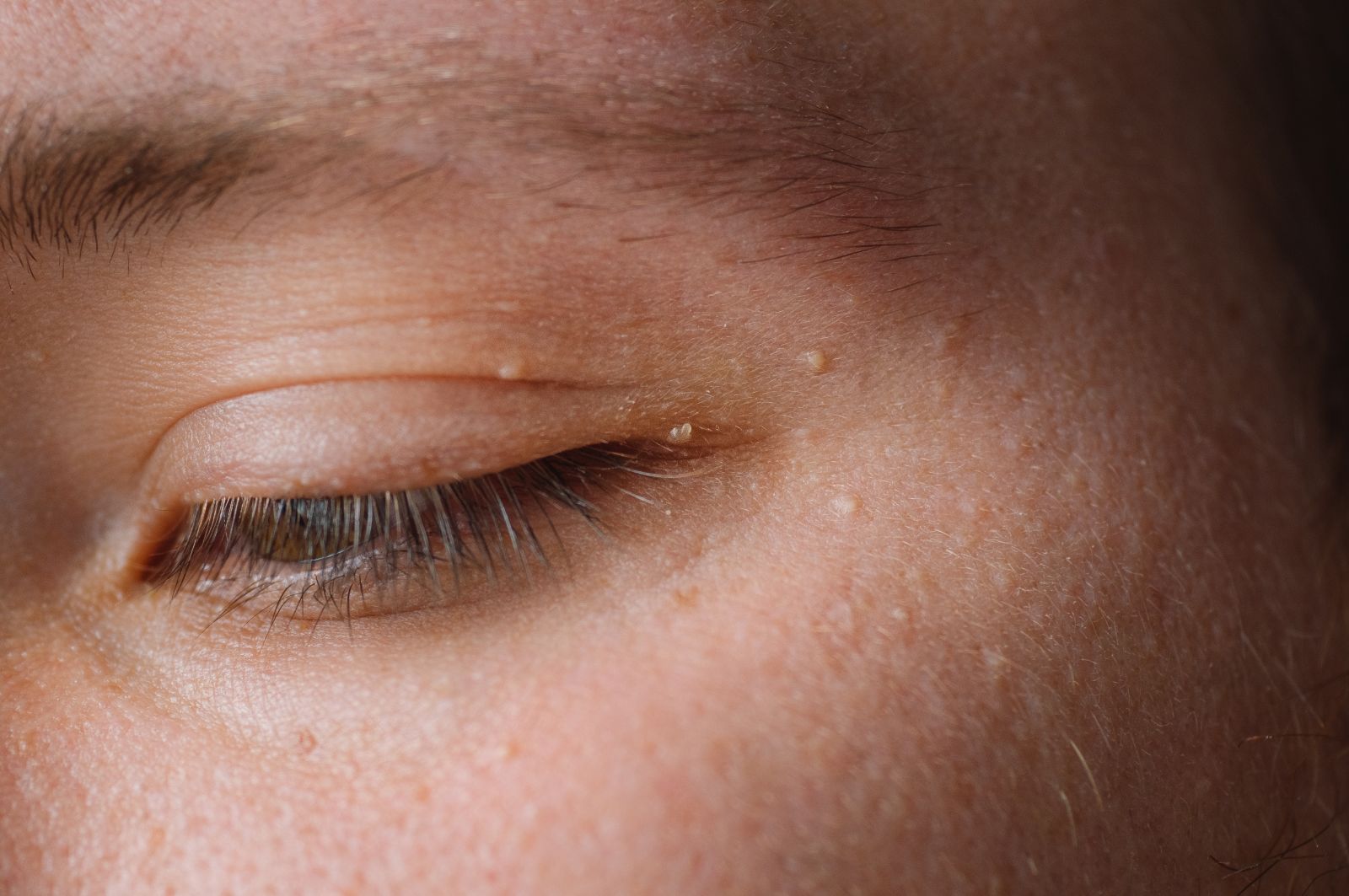
Milia are small, hard, white bumps that surface on the skin, typically around the eyes, cheeks, and forehead. They form when keratin, a protein found in hair and dead skin, gets trapped under the skin's surface.
Characteristics of Milia:
- Small, hard, white, or yellowish lumps.
- Non-itchy and painless.
- Develop individually, not in clusters.
Causes of Milia:
- Accumulation of keratin under the skin.
- Use of heavy or unsuitable cosmetic products.
Management of Milia:
- It often resolves on its own without specific treatment.
- Dermatologic procedures like sterile needle extraction or light chemical peels can be considered if necessary.
.jpg)
Get to Know Fungal Acne
Fungal acne, or pityrosporum folliculitis, is a type of acne resulting from a fungal infection of the hair follicles. It appears similar to regular acne but is caused by an overgrowth of the Malassezia fungus.
Characteristics of Fungal Acne:
- Small, red, pus-filled bumps resembling regular acne.
- It may cause intense itching.
- It tends to grow in groups and spreads swiftly.
Causes of Fungal Acne:
- Excessive growth of Pityrosporum fungus.
- Excessive skin moisture promotes fungal growth.
- Use of oral or systemic antibiotics disrupting the skin microbiome balance.
Treating Fungal Acne:
- Topical antifungals like ketoconazole cream or shampoo.
- Over-the-counter medications with selenium sulfide or salicylic acid.
- Reduce the use of oily skincare products and opt for non-comedogenic moisturizers.
Read also :
The Effects of Overusing High-Temperature Hair Styling Tools
Even though milia and fungal acne share visual similarities, their root causes are different. Milia results from keratin buildup, while fungal acne is sparked by a fungal infection in hair follicles. If faced with persistent skin concerns, consulting a dermatologist ensures accurate diagnosis and tailored treatment, restoring your skin to its healthy and beautiful state.