Hey, fabulous ladies! Today, let's unravel the mysteries around liposuction. Have you ever wondered if it's only for people battling obesity? Spoiler alert: not at all! Let's dive into the details with this enlightening Fitie article.
Liposuction, or lipo, is a cosmetic procedure designed to enhance your appearance by removing localized fat deposits that resist exercise and diet. It's not a quick fix for weight loss but a targeted approach for body contouring.
You can pick and choose areas you wish to transform, such as:
- Stomach
- Waist
- Pelvis
- Thighs
- Back
- Face, cheeks, chin, neck
- Buttocks
- Inner knees, calves, ankles
- Arms
Who's Eligible for Liposuction?
Not everyone can hop on the liposuction train. To ensure the procedure's effectiveness and safety, certain conditions must be met:
- Maturity
- Average or above-average body weight
- Firm, elastic skin with good muscle tone
- Persistent fat pockets resistant to diet and exercise
- Non-smoker
- Realistic expectations about the procedure's outcome
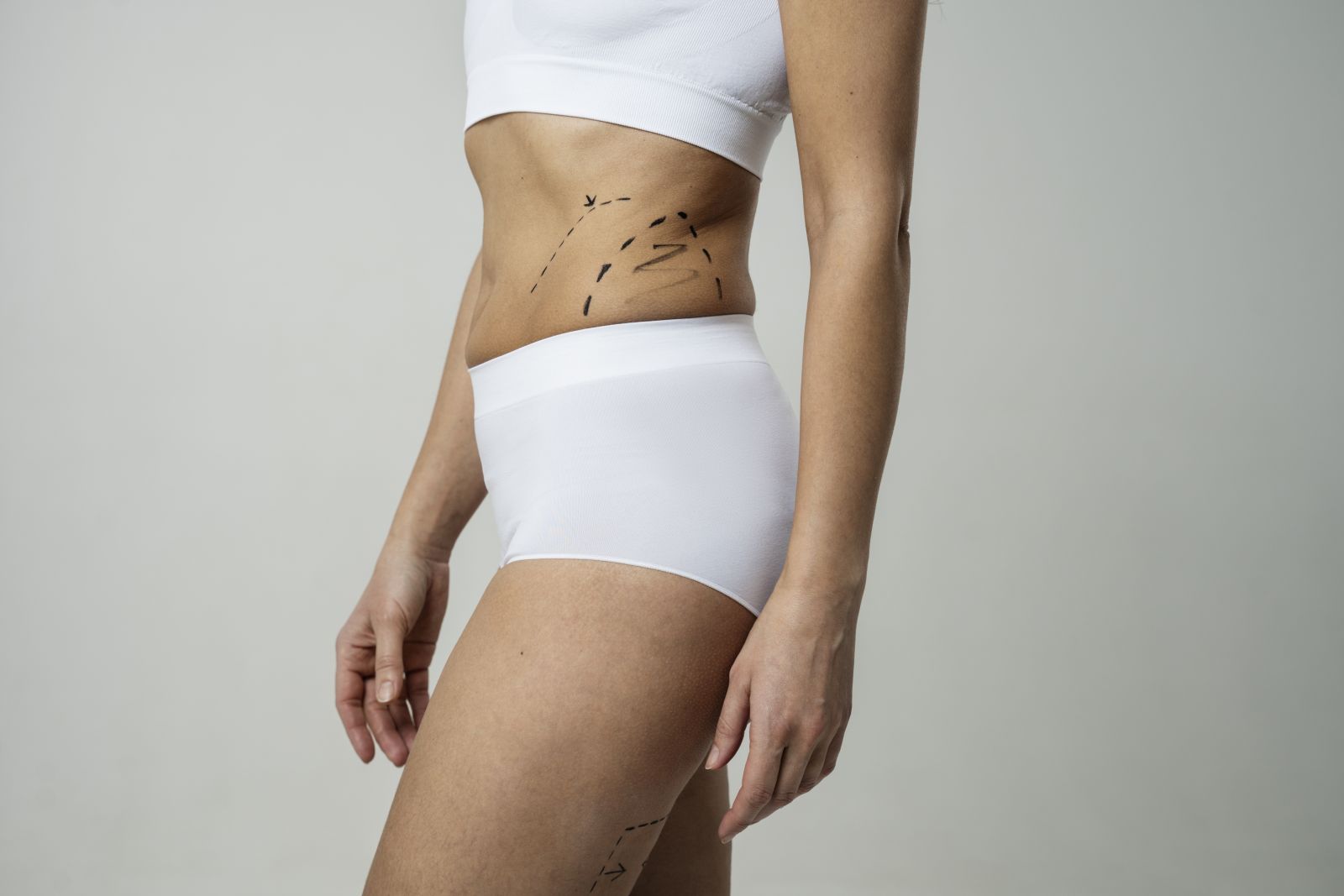
One of the requirements for liposuction is that you must have skin that is still firm and elastic
Your doctor will assess these criteria to determine if liposuction is the right fit for you.
Types of Liposuction: Breaking It Down
Liposuction comes in various flavors, tailored to different needs:
- Tumescent Liposuction: Involves injecting a saline solution with epinephrine to aid fat removal and reduce blood loss.
- Ultrasound-assisted Liposuction (UAL): Utilizes ultrasonic energy to melt fat before removal.
- VASER (Vibration Amplification of Sound Energy at Resonance): Breaks down fat cells using ultrasound waves.
- Suction-assisted Liposuction: Deploys a vacuum for fat removal.
- Power-assisted Liposuction (PAL): Uses a vibrating tool to break up fat.
- Laser-assisted Liposuction (Smartlipo and Slimlipo): Leverages laser beams to break down and melt fat.
The Liposuction Journey: Step by Step
- Preparation: Follow guidelines, including dietary restrictions, avoiding certain medications, and undergoing necessary tests.
- Implementation: Under local or general anesthesia, a small incision is made, and the chosen liposuction method is applied. Fat is broken down and suctioned out.
- Recovery: Post-surgery care involves wound management, prescribed medications, follow-up appointments, and vigilance for complications. Recovery times vary but generally range from a few days to 2-6 weeks.

It takes 3-6 months for the final results to be seen
Liposuction is permanent as it removes fat cells, but maintaining results requires a healthy lifestyle. Full results emerge 3-6 months post-surgery. Remember, liposuction isn't a cure for obesity; it's a tool for refining your body.
In a nutshell, liposuction is your go-to for targeted fat removal and body sculpting. Always consult your doctor and maintain a balanced lifestyle for lasting results. Ready for more insights? Explore other Fitie articles!
Cheers to your radiant self!