Hello, ladies! Ever wondered about multiple personalities? Yes, it's real, and it's known as Dissociative Identity Disorder (DID). Let's explore this mental health condition together in this Fitie article.
What is DID?
Dissociative Identity Disorder involves having two or more distinct identities, also known as alters, that control a person's behavior at different times. It's a rare condition, more commonly experienced by women and often triggered by traumatic events during childhood. DID falls under the umbrella of dissociative disorders, which affect memory, identity, emotions, perception, behavior, and self-awareness.
Common Symptoms:
- Anxiety and panic attacks
- Hallucinations
- Depression
- Mood swings
- Disorientation
- Memory loss
- Drug and alcohol abuse
- Eating behavior disorders
- Sleep disturbances (insomnia, sleepwalking, night terrors)
- Suicidal thoughts
Causes:
DID typically arises from extraordinary or traumatic experiences, especially during childhood. Individuals with DID have a core identity, and multiple alters, each with distinct behaviors, memories, and ways of thinking. Other factors contributing to DID include anxiety, disorientation, and mood disorders.
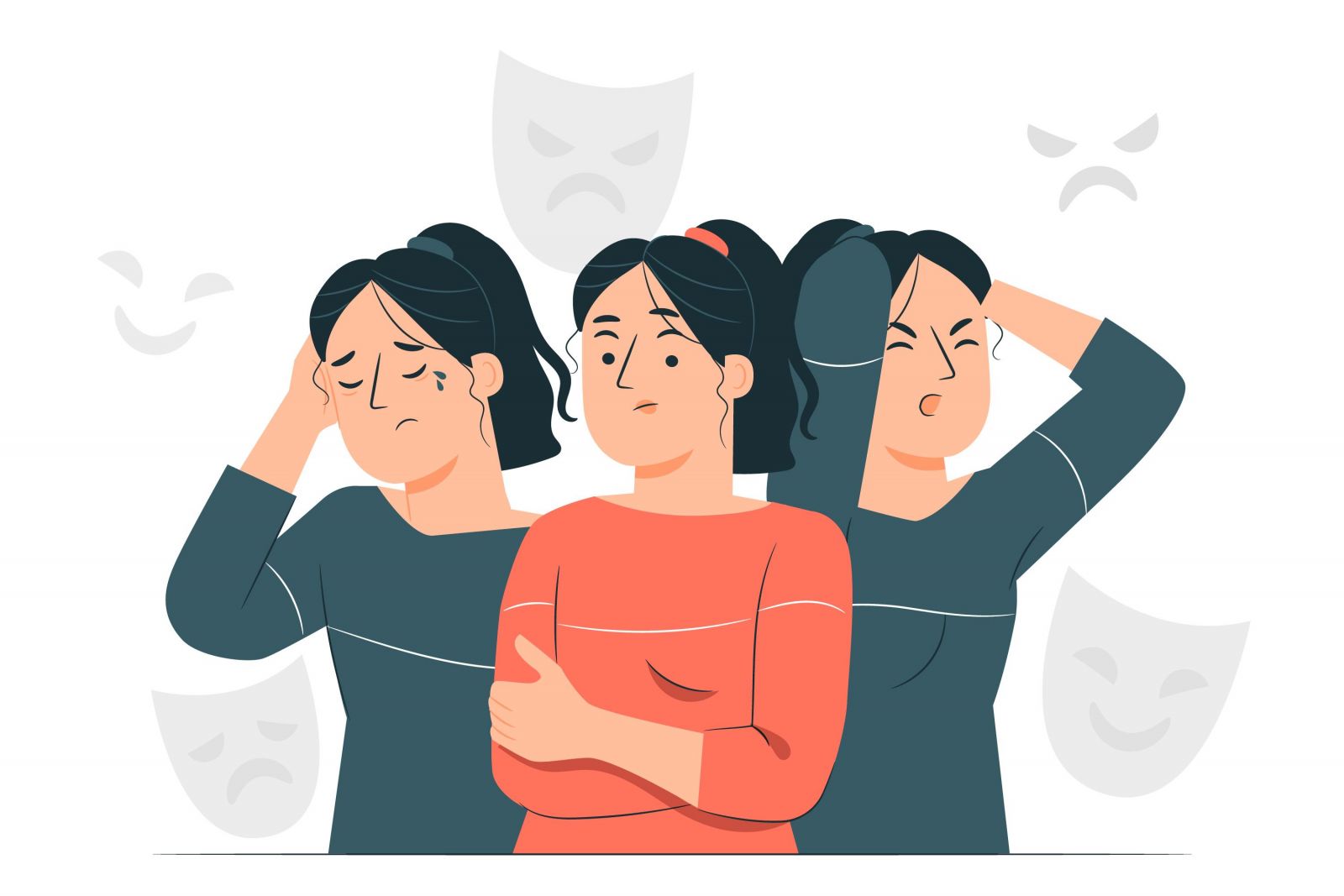
The other identity in multiple personality disorder is called an alter
Diagnosis:
Diagnosing DID involves assessing symptoms and personal health history. Since it often appears in childhood and can be overlooked, it's frequently diagnosed in adulthood. Differential diagnosis is crucial, as other conditions like ADHD may present similar behaviors.
Treatment:
While there's no cure, treatment can help manage symptoms. Medications like antidepressants may be prescribed, but psychotherapy is the preferred and effective choice. Psychotherapy focuses on identifying past traumas, managing behavior changes, and integrating multiple identities into one cohesive self. Hypnotherapy may complement psychotherapy.
Support and Understanding:
Support is vital for those with DID. Psychotherapy helps control behavior, enabling individuals to interact effectively in various settings. Understanding and offering support play crucial roles in managing DID.

An effective way to control DID is with psychotherapy
In conclusion, DID is a complex condition where individuals exhibit different identities, each with unique characteristics. Psychotherapy is an effective way to manage behaviors and reduce the frequency of personality changes. Stay informed, be supportive, and explore more Fitie articles for additional insights!