Self-hypnosis is a process that involves specific techniques to get someone into a hypnotic state. This process allows one to reach a state of deep relaxation. When you enter this intense relaxation, a person usually tries to imagine a particular goal.
The goal of self-hypnosis is usually to control thoughts and emotions, which can help with stress, insomnia, or trying to break certain habits, such as smoking or drinking alcohol. A person who is focused and motivated to achieve his goals will use his abilities effectively to achieve the main goals.
Benefits
In general, here are some of the benefits of self-hypnosis that many people often experience.
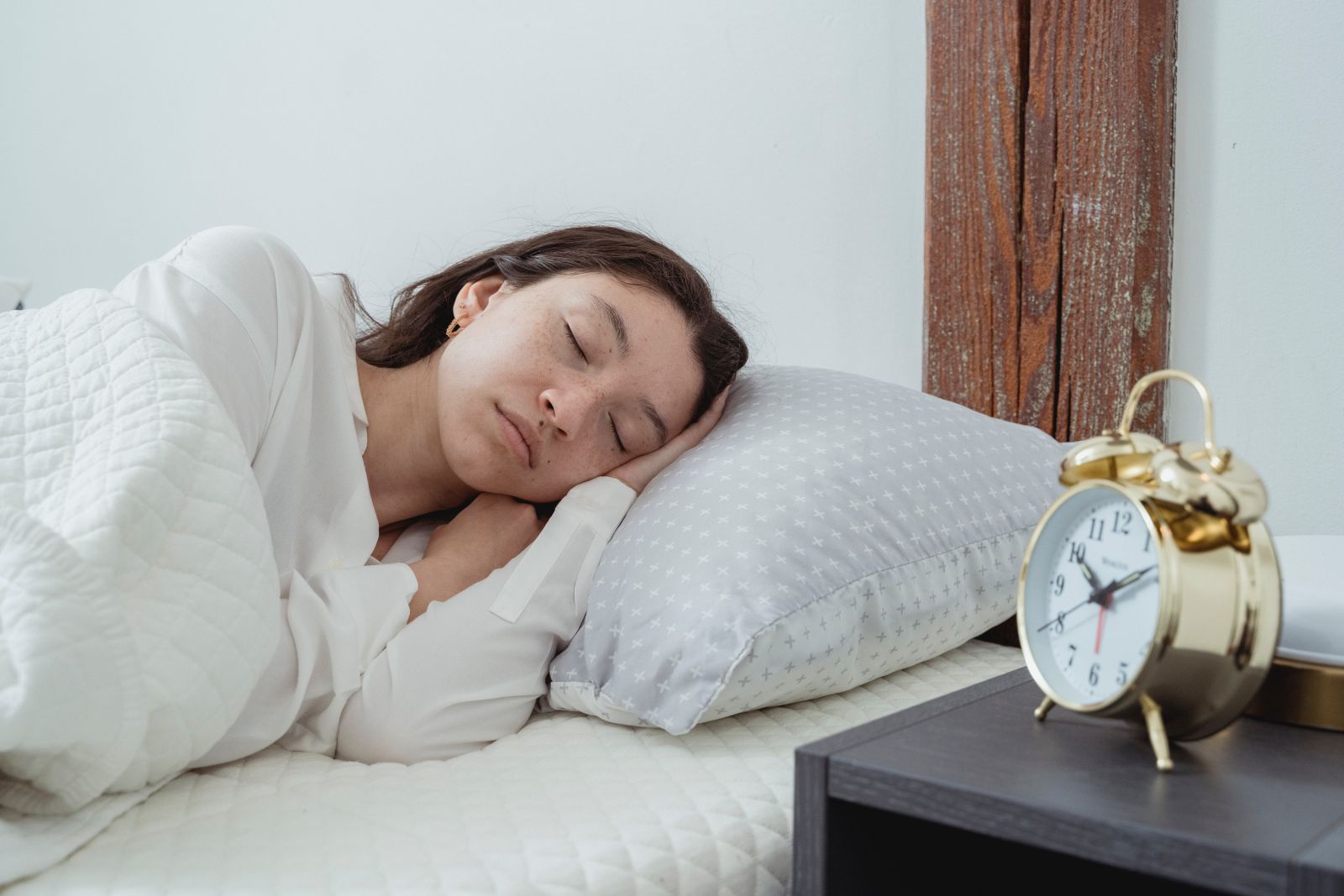
The 3 benefits of self-hypnosis are improving sleep quality, helping you lose weight, and controlling pain.
1. Improve sleep quality
Self-hypnosis can help a person improve sleep quality, especially in menopausal women. In addition, this process can also help improve sleep disorders in postmenopausal women, such as insomnia. In addition to more comfortable sleep, sleep duration is also longer than before.
2. Weight loss
Self-hypnosis aids the weight loss process by increasing self-control while eating, stopping bad eating habits, and understanding that eating can be part of an emotional or external response. Still, the method will be more effective when combined with diet and exercise settings.
3. Pain relief
It is known that self-hypnosis can suppress pain and improve mood, especially in ill, older people. This pain reduction does not only occur after one self-hypnosis process but must be done several times to see the effect on aches or pains. Self-hypnosis is not necessary during a check-up in the hospital but can also be done at home.
Steps for Self Hypnosis
There are no standard rules on how someone can enter a state of hypnosis. But in general, the process involves the following steps:

It is essential to set goals before embarking on self-hypnosis.
1. Create a pleasing and comfortable environment
The first thing to do is to create a suitable and comfortable environment for self-hypnosis, which is calm, not much distraction, and keep your smartphone away. Wear comfortable, not tight, and heavy clothes to aid the relaxation process. Sit in a position that supports your back and does not make breathing difficult.
2. Set goals
Before you start self-hypnosis, set specific goals you want to achieve; for example, you want to reduce stress, improve sleep quality, lose weight, increase self-confidence, or stop bad habits. With this goal in mind, the self-hypnosis process will likely succeed.
3. Focus and relax
Find a simple eye-level object to focus on or prepare the thing yourself, such as a flame on a candle or a bottle. Then try to relax by taking slow, deep breaths. Inhale through the nose and exhale through the mouth. Close your eyes slowly and deeply until it is impossible to keep them open.
4. Visualize
Visualize a happy and peaceful scene, paying attention to all the images you see, including the different aspects. You should feel a feeling of heaviness throughout your body when you are done.
5. Review your goals
When you reach this point, your goals will be remembered, and you can visualize scenes illustrating them. For example, if the goal is to get good quality sleep, you will see that you sleep peacefully.
6. Ending the hypnotic state
After envisioning the initial goal, the next step is to come out of the hypnotic state after about 5 minutes. The trick is to take a deep breath while imagining more energy entering the body. If necessary, count backward from 5 or 10 to exit. When you're ready, slowly open your eyes.
Self-hypnosis, therefore, aims to put the body in a state of relaxation. This process seeks to achieve specific goals by visualizing the scenario. Some of the benefits of this process include eliminating certain habits, improving sleep quality, pain management, and losing weight. Are you interested, ladies?