Feeling a bit uneasy about needles is normal for many people, given the slight pain and surprise that injections can bring. However, some take this fear to the extreme, experiencing what's known as trypanophobia. In this Fitie article, we'll explore this overwhelming fear, its signs, the reasons behind it, and practical strategies for managing and overcoming it.
What is Trypanophobia?
Trypanophobia is an extreme fear of needles, particularly when used in medical procedures. Individuals with trypanophobia often avoid seeking medical attention, especially for procedures involving injections or blood draws. This fear is more prevalent in children (2 out of 3 people), and while it can improve over time, it persists in approximately 1 in 10 individuals. If left unaddressed, trypanophobia can pose challenges in receiving necessary medical treatment, particularly for those with health issues.
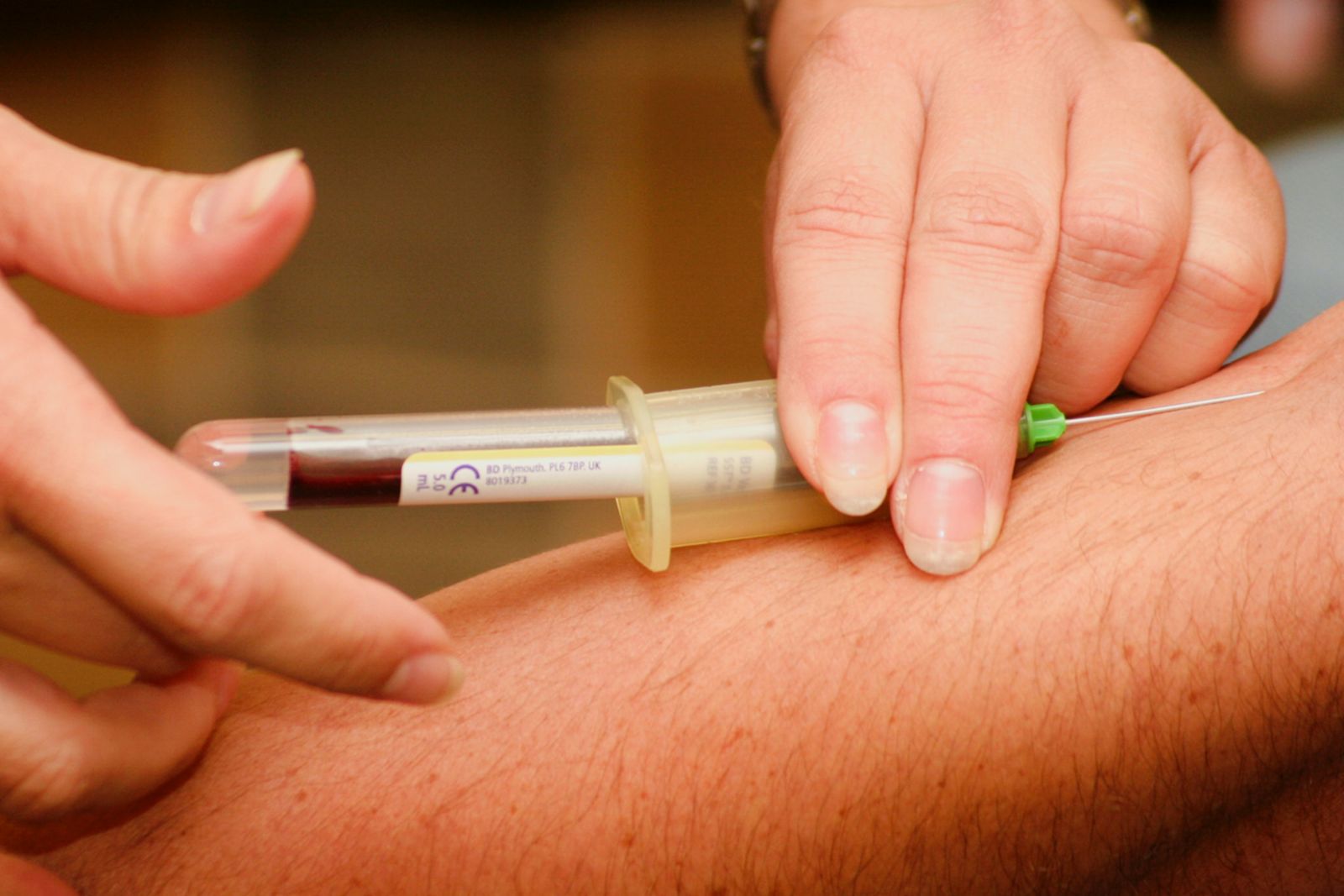
Trypanophobia is a fear of needles
Signs of Trypanophobia
People with trypanophobia experience intense anxiety just before or even at the thought of having an injection. This fear may lead to avoidance of medical treatment altogether. Signs of needle phobia include:
- Fainting
- Rapid heartbeat
- Insomnia
- Nausea and vomiting
- Temporary increase in blood pressure

One of the symptoms of trypanophobia is high blood pressure and fast heartbeat
Reasons for Trypanophobia
Multiple factors may contribute to trypanophobia, such as sensitivity to pain (hyperalgesia), fear of restraint (merinthophobia) during injections, past trauma involving needles, and vasovagal reactions (fainting triggered by seeing or touching a needle).
Diagnosis
To diagnose trypanophobia, healthcare professionals consider the duration of the fear, its symptoms, and its impact on the individual's ability to seek medical treatment. Symptoms must persist for at least 6 months and not be linked to a specific disorder or other medical problems.
Management
Trypanophobia can be managed through a comprehensive approach:
-
Exposure Therapy: Gradual exposure to needles, whether through pictures or physical proximity, helps change the person's response to needle-related stimuli.
-
Cognitive Behavioral Therapy (CBT): This therapy aims to alter thought patterns and responses to fear, providing greater control over symptoms.
-
Medication: Prescribed medications can help alleviate symptoms according to the healthcare professional's guidance.
Coping Strategies
Practical strategies for reducing trypanophobia symptoms include:
- Informing the healthcare provider about the fear of needles.
- Avoiding direct eye contact with the needle.
- Having a supportive relative accompany you during medical treatment.
- Distracting attention during injections, such as looking at the wall, chatting, listening to music, or wiggling toes.
- Lying down before the injection, especially if there's a history of fainting.
- Practicing deep breathing techniques.
- Requesting the use of a numbing agent if allowed.
In conclusion, trypanophobia is an extreme fear of needles that can be overcome through exposure therapy, cognitive behavioral therapy, and, if necessary, medication. Practical coping strategies can also help individuals manage and reduce the fear of needles. For more health-related articles, explore Fitie!