Sensory training is an approach that involves using sensory-based activities to stimulate and develop a child's senses. This includes using the senses of sight, hearing, touch, smell, and taste to perceive and respond to the surrounding environment. Sensory training is important in children's development because it forms neural connections in the brain and helps improve their ability to learn, interact with the environment, and overcome social and emotional challenges.
The Importance of Sensory Training in Their Childhood
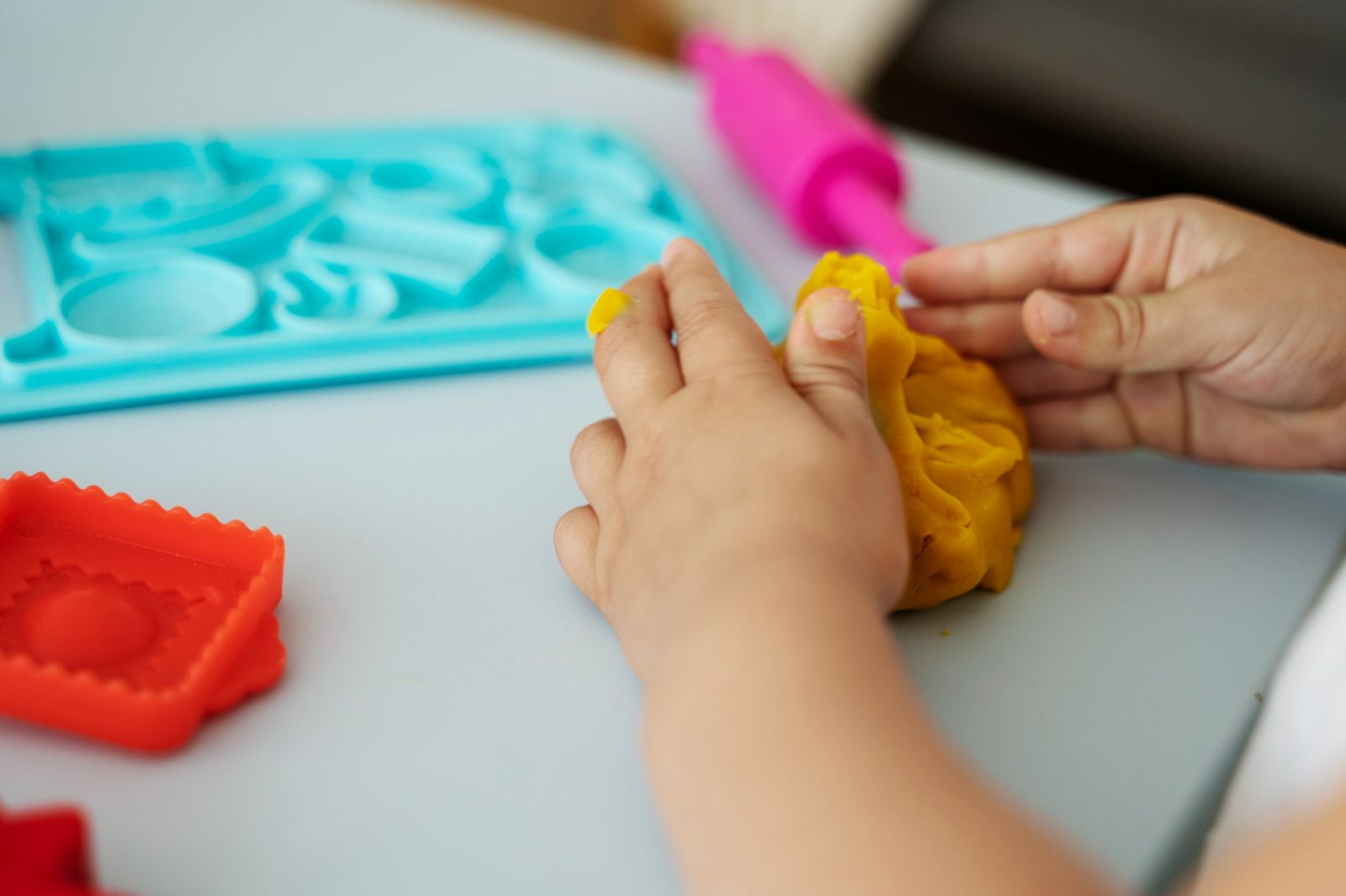
- Brain Development: During childhood (the developmental period of preschool children aged between 2–6 years), the brain is in a critical phase of forming neural connections. Sensory training helps stimulate brain development by strengthening neural connections and pathways important for learning and cognitive development.
- Sensory-Motoric Improvement: Sensory training helps children develop better sensory-motor skills, namely the ability to coordinate the senses with body movements. This allows them to participate in physical and learning activities more effectively.
- Ability to Focus: Sensory training can help improve a child's focus and concentration, which is very important in learning.
- Emotion Regulation: Sensory-trained children tend to regulate their emotions better and respond better to challenging situations.
- Independence: Through sensory training, children can develop independence in daily activities, such as eating, dressing, and cleaning themselves.
Sensory Training Activities for Children
Without spending a lot of money, we can also train children's sensory at home with goods and equipment at home. The methods that can be used are:
- Sensory Bins: Provide containers filled with rice, sand, beans, or water to give children a touch-and-feel experience.
- Sensory Walks: Take the kids for outdoor walks barefoot to feel the different textures under their feet, such as grass, sand, or dry leaves. It can also be done at home using powder, flour, carpet texture, and others. Make sure the child doesn't step on anything that is dangerous or makes him sick.
- Music and Sound: Use musical instruments and other sounds (such as the sound of glasses and plates, the tapping of wooden objects, etc.) to stimulate children's hearing and introduce them to various sounds.
- Using Scents: Serve foods or ingredients with a distinctive aroma, such as mint, cinnamon, fruit, or flower, to stimulate the sense of smell.
- Play with Colors: Use different colors and colored materials to train children's visual senses and teach them to recognize colors.
- Out-of-the-Box Activities: Get kids to play outside the box, like tasting food with their eyes closed or walking outstretched with their eyes closed to get a better feel for their surroundings.
The Role of Parents and Teachers in Sensory Training

Understand Children's Needs: Every child is different, and parents and teachers must understand each child's sensory needs to develop appropriate activities.
- Watch for Signs of Discomfort: Watch for signs of discomfort or overstimulation when performing sensory activities and adjust as necessary.
- Allow Time for Exploration: Allow children to explore sensory activities and let them learn at their own pace.
- Involve All the Senses: Make sure the sensory activities engage the child's senses so they can feel and experience the experience as a whole.
- Expand Boundaries: Encourage children to try new things and not be afraid to face challenges.
Sensory training is an important part of a child's development because it helps stimulate the brain, improves sensory-motor skills, and develops independence and attentional abilities. Parents and teachers have an important role in providing activities that match children's sensory needs and providing support and opportunities for them to explore the world with multiple senses. Through sensory training, children can optimally develop their potential and become better prepared to learn and succeed.