Sun protection is an important part of your skincare routine to prevent skin damage and the risk of skin cancer. Two popular types of sunscreen are chemical sunscreens and physical sunscreens. While both work to protect the skin from UV rays, they work in different ways. In this article, we will discuss the differences between chemical and physical sunscreens as well as the advantages and disadvantages of the two.
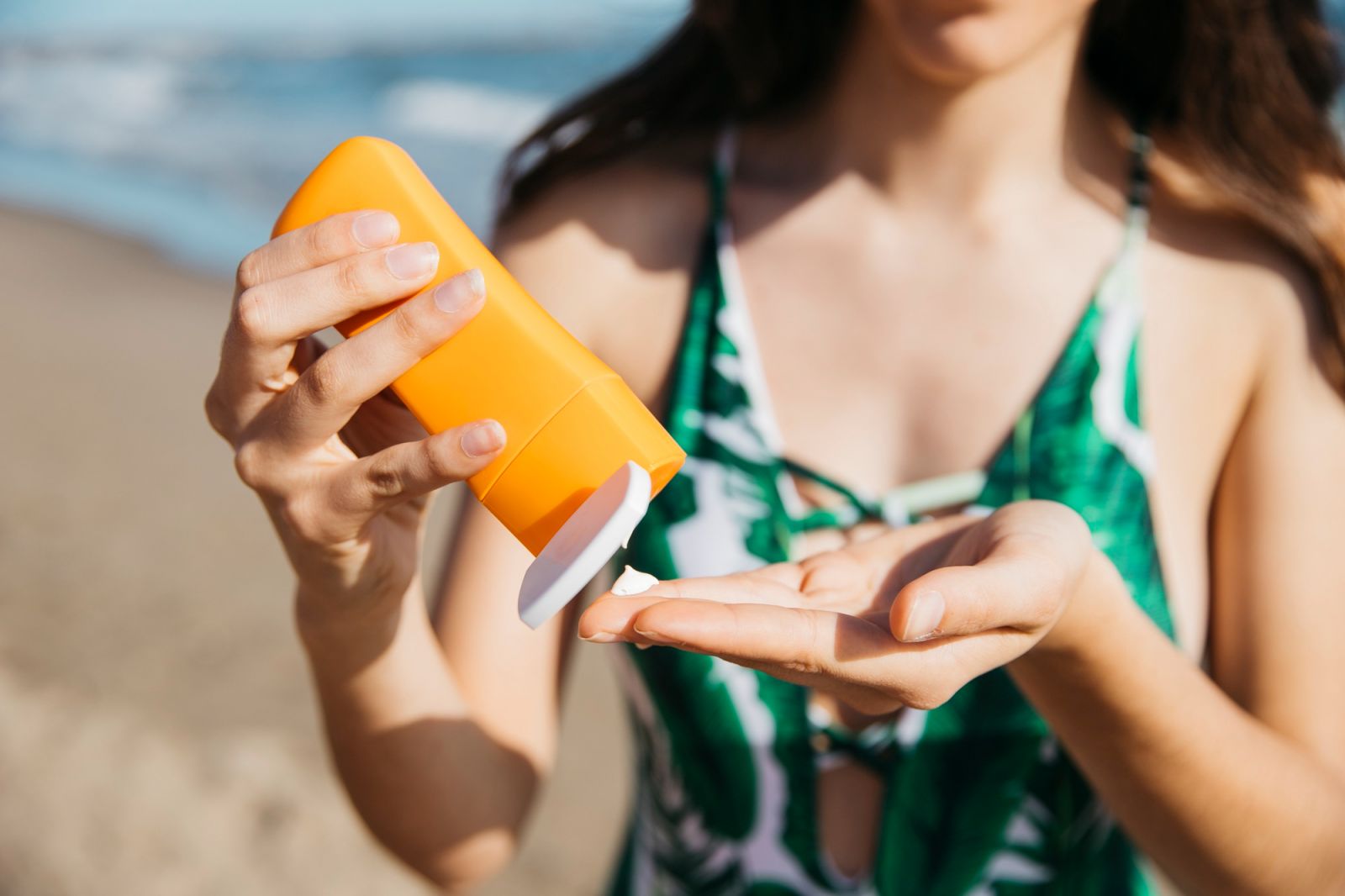
Chemical Sunscreens
How it works: Chemical sunscreens absorb UV rays and turn them into heat, which is then released from the skin. The active components in chemical sunscreens interact with the skin to protect from UVA and UVB rays.
General Active Ingredients: Examples of active ingredients commonly used in chemical sunscreens are avobenzone, oxybenzone, octinoxate, and octisalate.
The Advantages of Chemical Sunscreens:
- Feels lighter and easier to blend on the skin.
- It tends to be more transparent, leaving no white residue or white cast on the skin.
- Provides broad protection, including UVA and UVB rays.
The Disadvantages of Chemical Sunscreens:
- It takes about 20-30 minutes after application to work effectively.
- It works by absorbing UV rays, so skin that is sensitive or prone to irritation may experience an allergic reaction.
- Some of the active ingredients in chemical sunscreens can affect hormones and the environment.
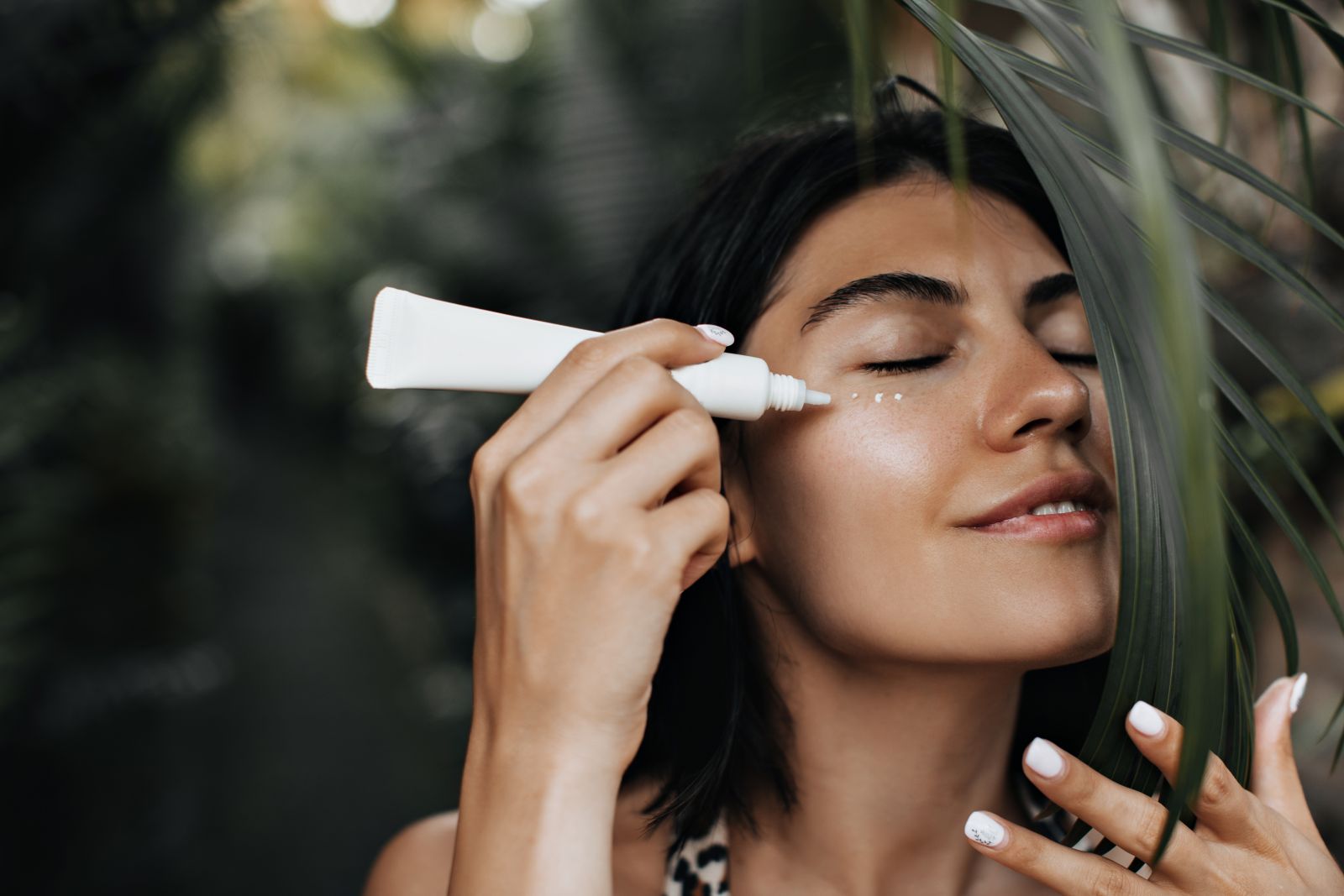
Physical Sunscreen
How it works: Physical sunscreens create a physical barrier over the skin to reflect UV rays before they reach the skin's surface. The skin does not absorb the sunscreen formula but provides direct protection.
General Active Ingredients: The active ingredients in physical sunscreens are usually zinc oxide or titanium dioxide.
The Advantages of Physical Sunscreen:
- It starts working after application to the skin.
- Suitable for sensitive skin because it does not cause irritation or allergies.
- Effectively protects the skin from UVA, UVB, and infrared rays.
The Disadvantages of Physical Sunscreens:
- It may leave a white residue or white cast on the skin, especially on darker skin tones.
- It is thicker and may feel heavy on the skin.
- Less water resistance and easily rubbed off by sweat or friction.
Tips for Choosing the Right Type of Sunscreen
Choosing chemical and physical sunscreen depends on personal preference and skin condition. If you have sensitive skin or are prone to irritation, a physical sunscreen might be more suitable for you. However, chemical sunscreens can be the right choice if you want a lightweight and easy-to-apply sunscreen.
It is important to always use sunscreen with an SPF (Sun Protection Factor) of at least 30 and apply it sufficiently before sun exposure. Also, wear protective clothing such as hats, sunglasses, and clothing with UV protection when out in direct sunlight.
Always consult a dermatologist or dermatologist for recommendations more appropriate to your needs and skin condition. With the right protection, you can enjoy the sun without damaging your skin's health.