Beauty standards are a set of norms and criteria a society or culture uses to determine what is considered beautiful or physically attractive. This concept of beauty can include various aspects such as body shape, skin color, face shape, hair, and other physical characteristics. Cultural factors, media, and the beauty industry often influence beauty standards.
Definition of beauty standard
Beauty standards are beliefs or images a group or society considers ideal regarding physical beauty. These norms can vary from one culture to another and change over time. Beauty standards are influenced by social, cultural, and economic factors and mass media that affect people's perception of beauty.
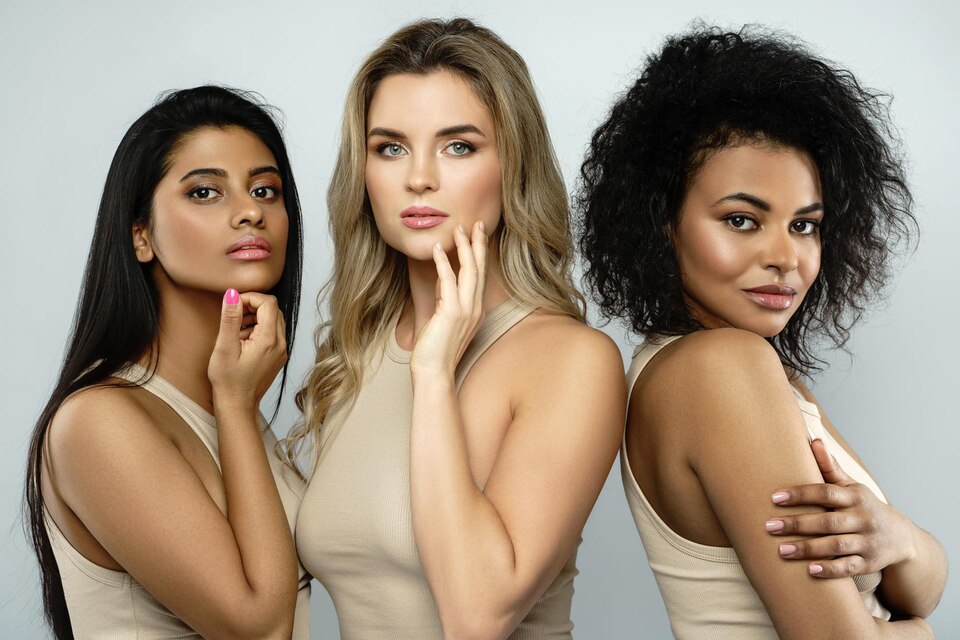
The influence of beauty standards on women
Beauty standards have a significant impact on women, both psychologically and socially. This influence can have a positive or negative impact depending on how society and individuals understand and accept beauty standards. Mass media, including advertising, film, television, fashion magazines, and social media platforms, play an essential role in shaping and reinforcing beauty standards. They often feature models or celebrities with physical characteristics that are considered ideal, leading to the public perception that only certain types of beauty are considered attractive. Below are some influences and consequences of beauty standards for women:
- Pressure to look appropriate: Beauty standards often set standards for women's appearance. These standards often include perfect skin, a slim body, beautiful hair, and other physical characteristics. As a result, many women feel pressured to achieve an appearance that meets these beauty standards.
- Feelings of lack of self-confidence: Women who do not meet the beauty standards that dominate the media or society often experience a lack of self-confidence. They may feel like they are not beautiful enough or should not be accepted because their physical appearance does not meet the standards of "beautiful." These feelings can affect mental health and lead to problems such as eating disorders, social anxiety, and depression.
- Body shaming and bullying: Narrow beauty standards often lead to body shaming and negative judgments about someone's body shape. Women with body shapes that differ from those considered ideal are often targets of bullying and discrimination, which can negatively impact a person's mental and emotional health.
- Influence on self-perception: Beauty standards can influence the way women see themselves. They may compare themselves to the ideal image promoted by the media and feel dissatisfied with themselves if they do not meet those standards. This can disrupt a positive relationship with one's body and lead to self-dissatisfaction.
- Investing in the Beauty Industry: The influence of beauty standards also impacts the fast-growing beauty industry. Women are often the main target group for beauty products that aim to help them achieve or maintain an appearance that conforms to dominant beauty standards. In short, beauty standards are also exploited in capitalism.
- Emphasis on physical image rather than performance or other qualities: Beauty standards often emphasize the value of a woman's physical image and attractive appearance rather than a woman's achievements, personality qualities, or different abilities. This can lead to a superficial view of women and ignoring the potential and other values they possess.
The importance of respecting diversity and creating body positivity
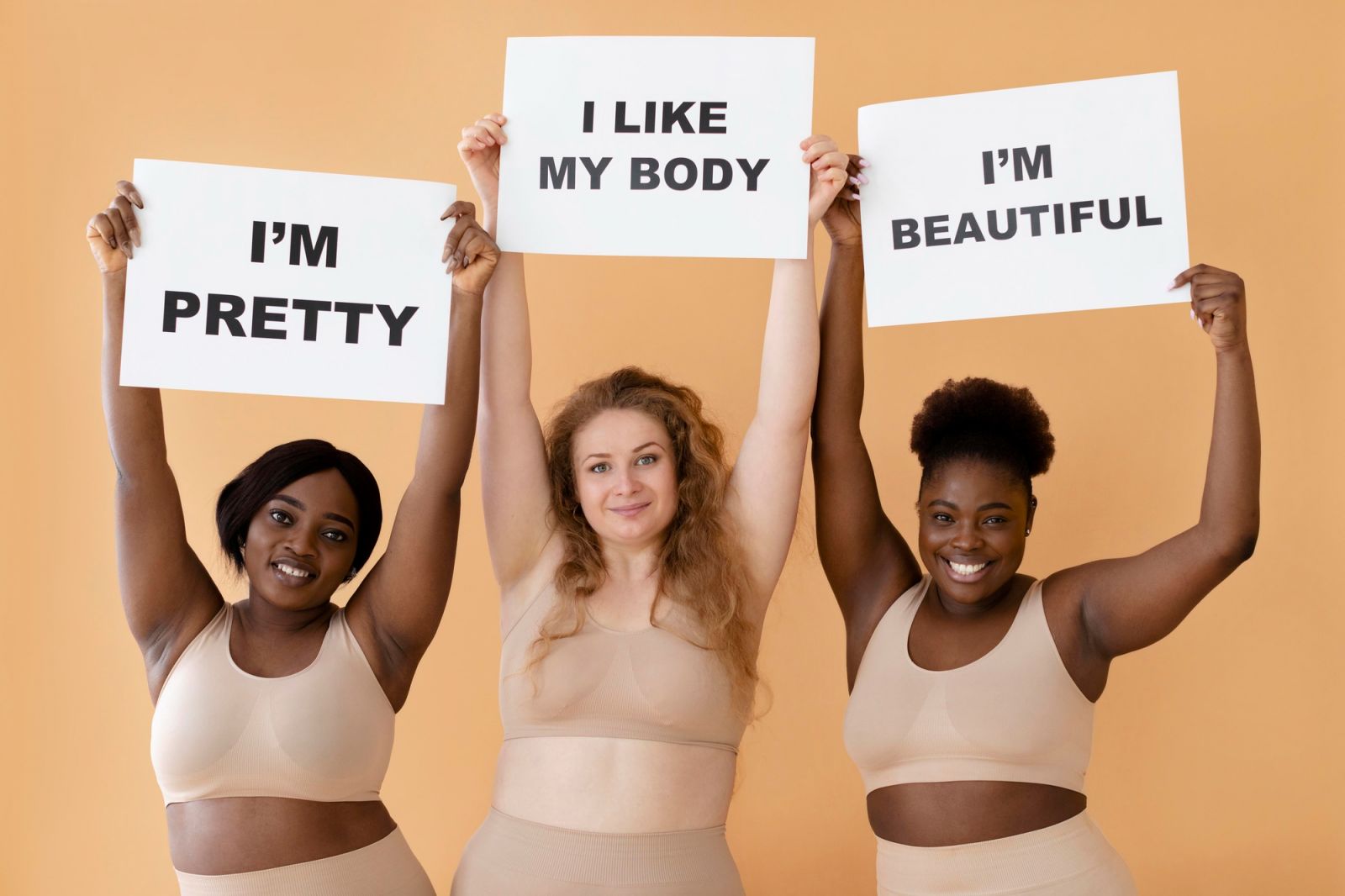
To create a more positive and inclusive environment, valuing diversity and embracing different types of beauty is essential. Body positivity, or a positive view of the body, is a movement that supports self-acceptance and body, regardless of physical form. Society is increasingly realizing that beauty comes in all shapes, sizes, and skin colors and that there is no one right or wrong standard for beauty.
However, in recent years, there has been a shift in the perception of beauty, with more and more societies embracing diversity and expressing a movement to appreciate natural beauty and healthy bodies. Recognizing that beauty standards can change over time can take the pressure off.