Wisdom teeth, or third molars, are the last teeth to grow as adults, around the age of 17-25, and are located at the very back of the mouth. Even so, some people will never have it in life.
If these wisdom teeth are growing, a person will generally experience several symptoms, namely:
- Swelling of the gums at the back
- Jaw pain or pressure
- Facial pain due to compressed nerves
- The appearance of the appearance of white parts behind the last molars.
How to Maintain Wisdom Teeth Health
A dentist will always regularly check wisdom teeth to ensure their health and growth. However, apart from visiting the dentist, one should independently maintain dental health at home. The method is not difficult and expensive.
Here are some tips for maintaining healthy wisdom teeth:
- Brush your teeth at least twice a day (make sure to brush your teeth to the teeth that are hard to reach)
- Use dental floss once a day to clean your teeth.
- Use an antibacterial mouthwash to reduce the risk of dry mouth, and make sure the product is alcohol-free.
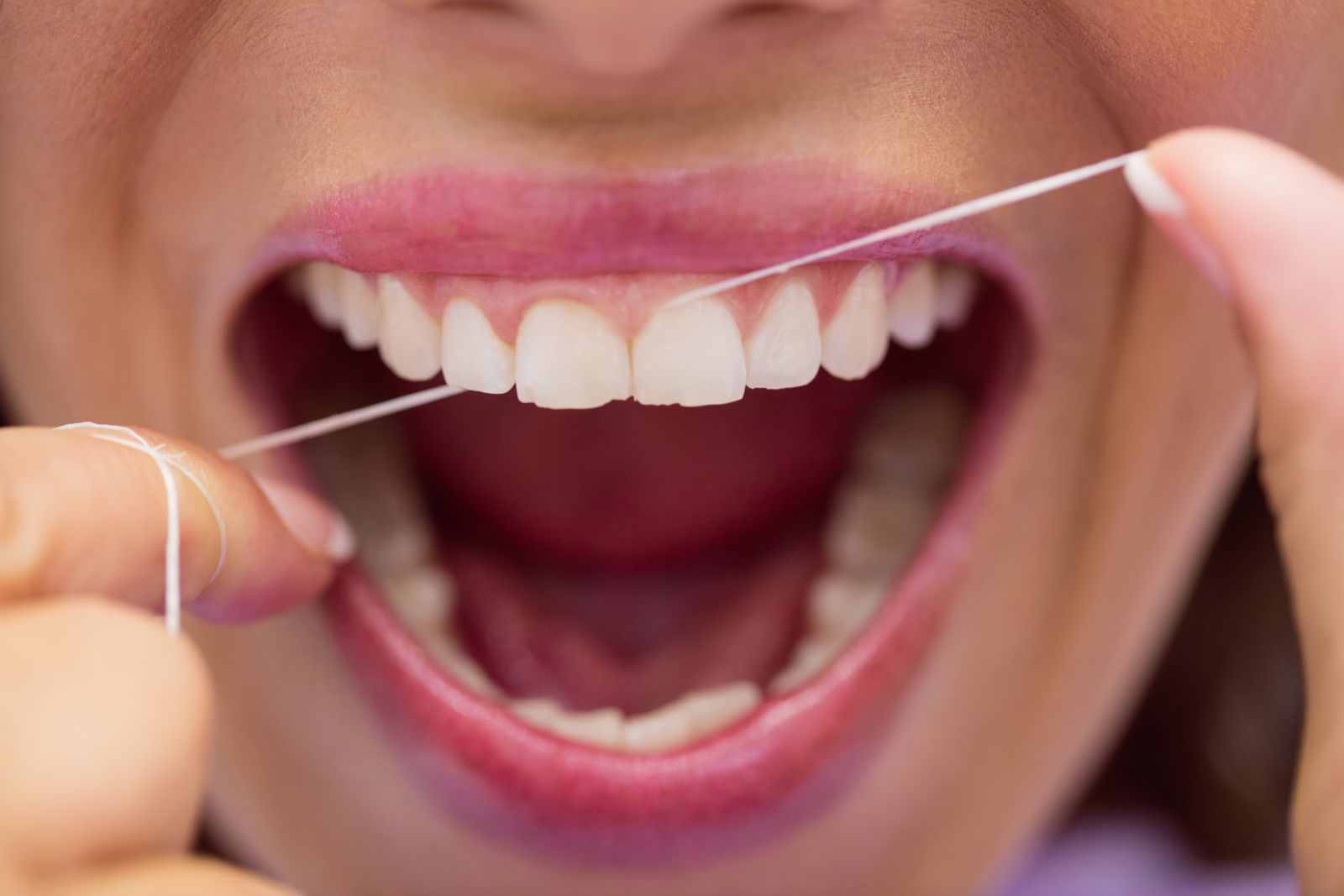 Apart from brushing your teeth, it is recommended to floss once a day
Reasons for Wisdom Teeth Must Be Removed
Sometimes, wisdom teeth don't grow completely (tilted outward, at an unusual angle), partially grow in, or become trapped in the gums or jaw. This condition is called impacted wisdom teeth which can eventually cause infection, cavities, gum disease, or other oral health problems.
The signs are:
- Gum or jaw pain
- Swollen and red gums
- White fluid appears around the wisdom teeth
- Discomfort in the mouth
- Difficulty opening the mouth or speaking
- Damage to adjacent molars
- Tenderness
- Uncomfortable
- Infection (bad breath, earache, headache)
- Crowded teeth (not neatly stacked)
- A cyst (teeth grow into a bone-filled sac in the jawbone)
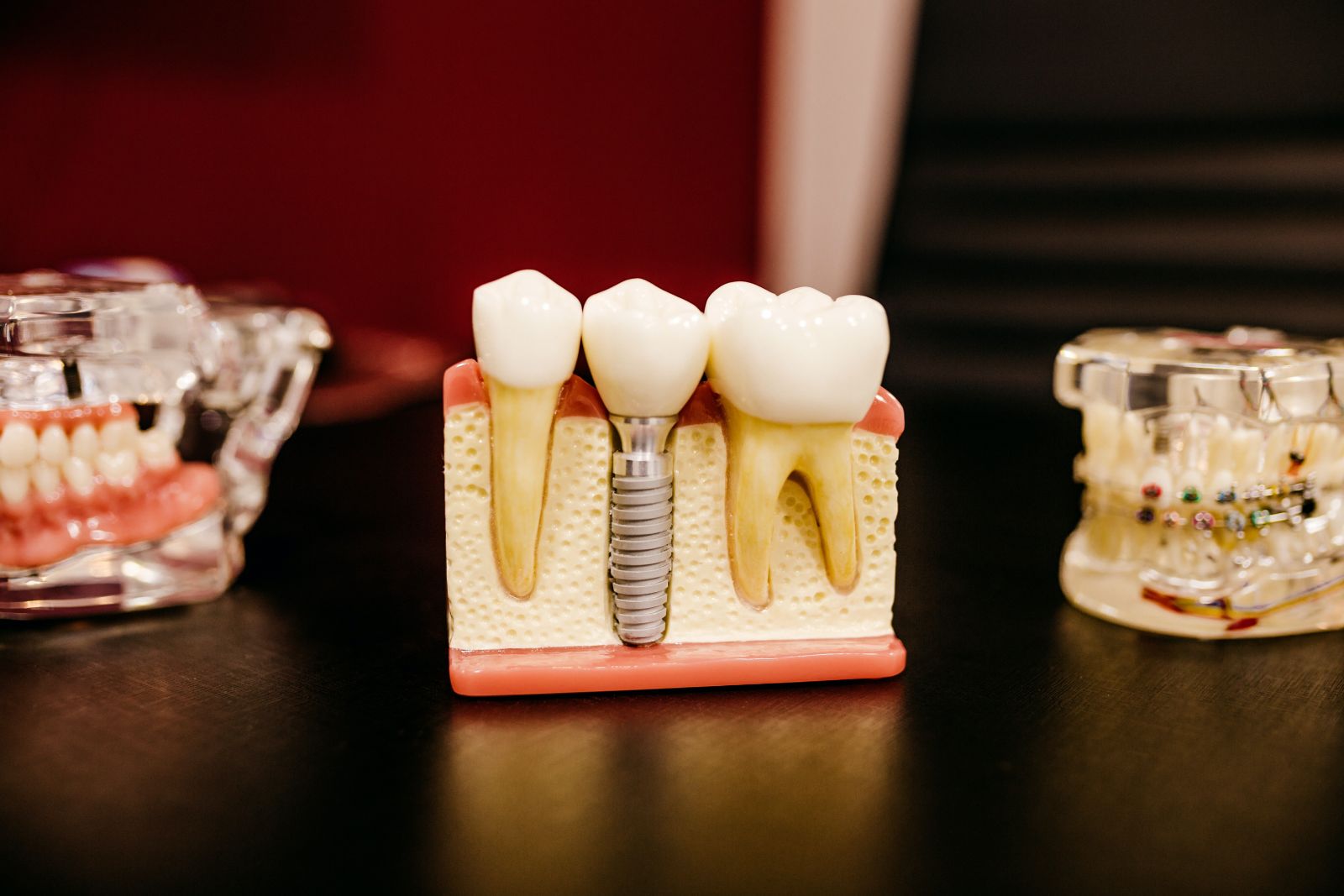 Wisdom teeth need to be removed when impacted
Wisdom Teeth Impaction Treatment
The most common treatment for impacted wisdom teeth is wisdom teeth removal, which is removal by previously being given anesthesia. This procedure can also be done even if the wisdom teeth are not infected. The goal is to avoid future pain from potentially damaging or displacing other teeth.
Anyone can do it, but those with wisdom teeth removal at a younger age (teens to 20 years) tend to heal better because the roots and bone are not fully formed. After being removed, wisdom teeth do not need to be replaced because they do not function as much as other teeth.
Recovery after this removal can take up to a week. To prevent infection after surgery, doctors usually recommend keeping the wound clean by gargling with salt water, avoiding smoking, and consuming soft foods to avoid getting stuck in the gums, which are in the healing process.
So, wisdom teeth are teeth or third molars that start growing around the age of 17-25 years. The removal of third molars needs to be carried out by someone who has impacted wisdom teeth. However, those with healthy wisdom teeth can still have them removed to prevent future pain. Ladies, do you have experience with wisdom teeth removal yet? Let's share the stories!