Desiring more captivating eyes is common for many individuals. One way to achieve this is through eyelid surgery or blepharoplasty. This procedure not only enhances appearance but can also address functional vision issues. Curious about how it works? Let's dive into the details in this Fitie article!
Eyelid surgery, or blepharoplasty, aims to enhance the appearance of the eye area. It involves reducing under-eye bags, eliminating excess upper eyelid skin, or combining both. Why is this done? Our skin's elasticity diminishes as we age, causing it to sag due to gravity's pull.
While most eyelid surgeries are done for cosmetic reasons, they can also rectify obstructed vision caused by drooping upper eyelids. Excess skin, muscle, or fat tissue can be repositioned or removed. However, remember that this procedure won't eliminate dark circles under your eyes!
Eligibility Criteria
Individuals above 18 are eligible for eyelid surgery, but ideal candidates are generally at least 30 years old and in good health. Make sure to share your complete medical history with your doctor. Pay heed to the following conditions before considering eyelid surgery:
- Eye-related disorders like glaucoma or retinal issues
- Thyroid problems such as Graves' disease, hypothyroidism, or hyperthyroidism
- Cardiovascular conditions, including high blood pressure
- Diabetes

Best candidates for eyelid surgeries are those who are 30 years old
Procedure
Mentally prepare for the surgery, as blepharoplasty won't drastically alter your facial structure. Keep your expectations realistic. Before the surgery, you might need to undergo lab tests and quit smoking or specific medications. The eyelid surgery procedure generally unfolds as follows:
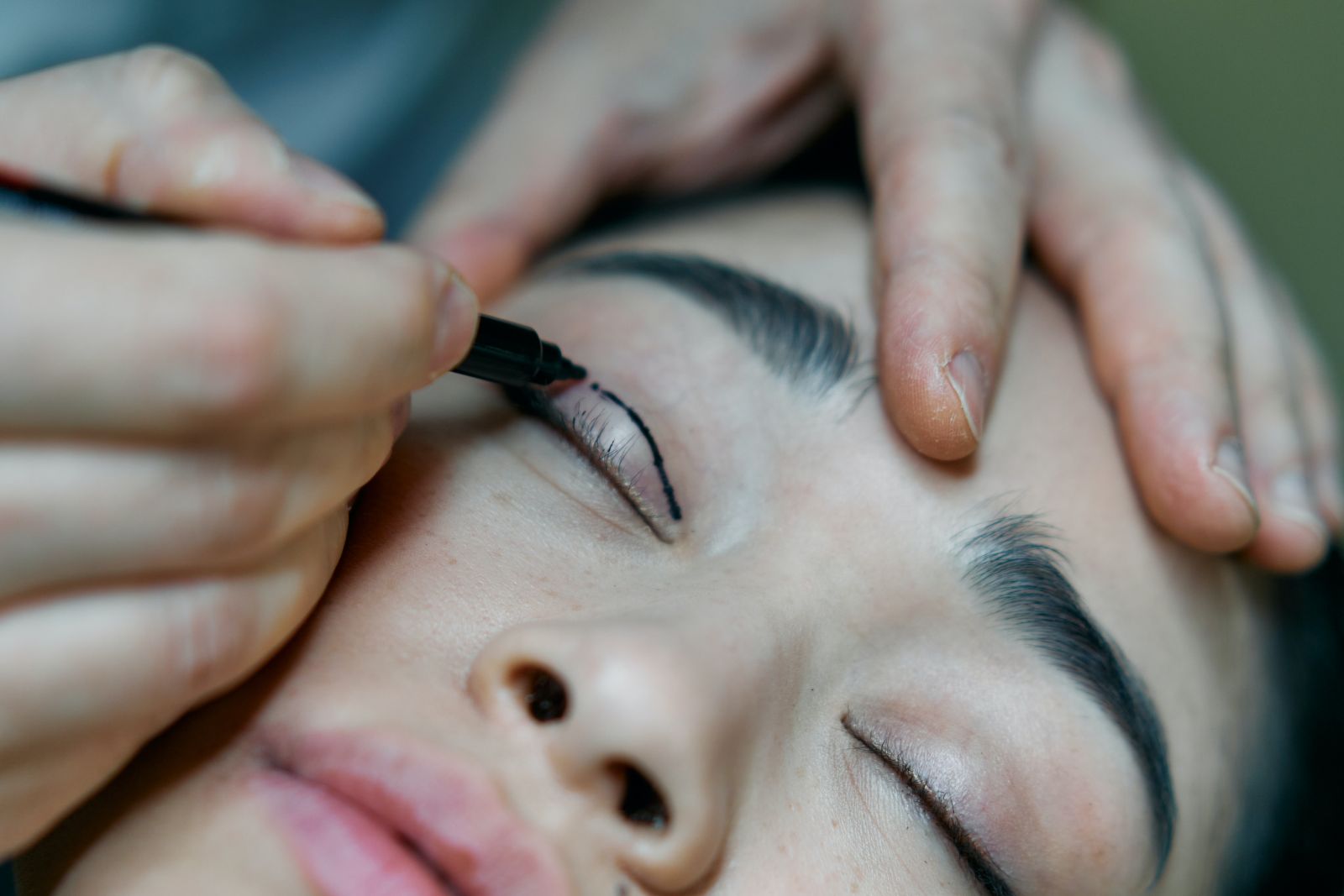 Eyelid surgery can address the upper, lower, or both eyelids
1. Upper Eyelid Blepharoplasty
The surgeon creates an incision in the upper eyelid crease, removing excess skin and fat that may be repositioned elsewhere. The incision is then closed. Notably, this incision isn't typically noticeable when your eyes are open.
2. Lower Eyelid Blepharoplasty
An incision is made beneath the lower lash line, removing surplus skin or fat. Alternatively, a hidden incision may be crafted within the lower lid. If correcting a lower lid issue, fat is often redistributed or removed.
Recovery Period
Eyelid surgery is usually painless but can lead to swelling and bruising. Cold compresses or antibiotic ointments are often recommended to alleviate swelling.
Many opt for a week off from work during recovery, as the effects are noticeable during this timeframe.
Avoid driving, strenuous activities, smoking, rubbing your eyes, or wearing contact lenses to prevent irritation. Upper-lid blepharoplasty results can last 5-7 years to a lifetime, while lower-lid blepharoplasty is typically a one-time procedure. Always monitor for signs of infection.
In summary, eyelid surgery enhances the eye's appearance, catering to the upper, lower, or both eyelids. The prerequisite for this procedure is being at least 30 years old and in good health. Ladies, are you intrigued? Feel free to share your thoughts in the comments below!