Misconceptions about shaving and its impact on hair growth have been circulating for years. One common belief is that shaving can lead to thicker and coarser hair growth. But is this notion rooted in reality? In this article, we'll separate fact from fiction regarding the connection between shaving and hair thickness.
Understanding Hair Growth
- The Shaving Myth: Shaving doesn't alter hair's fundamental structure or growth patterns. When shaving, we trim the visible portion above the skin's surface.

- Root of the Matter: Hair growth originates from the hair follicles beneath the skin. The pace of hair growth and the thickness of new hair are determined by follicle activity.
- Nature's Blueprint: Our genetic makeup dictates the growth rate and texture of various hair types—facial, body, or scalp hair—right from birth.
Effects of Shaving
The Illusion of Thickness
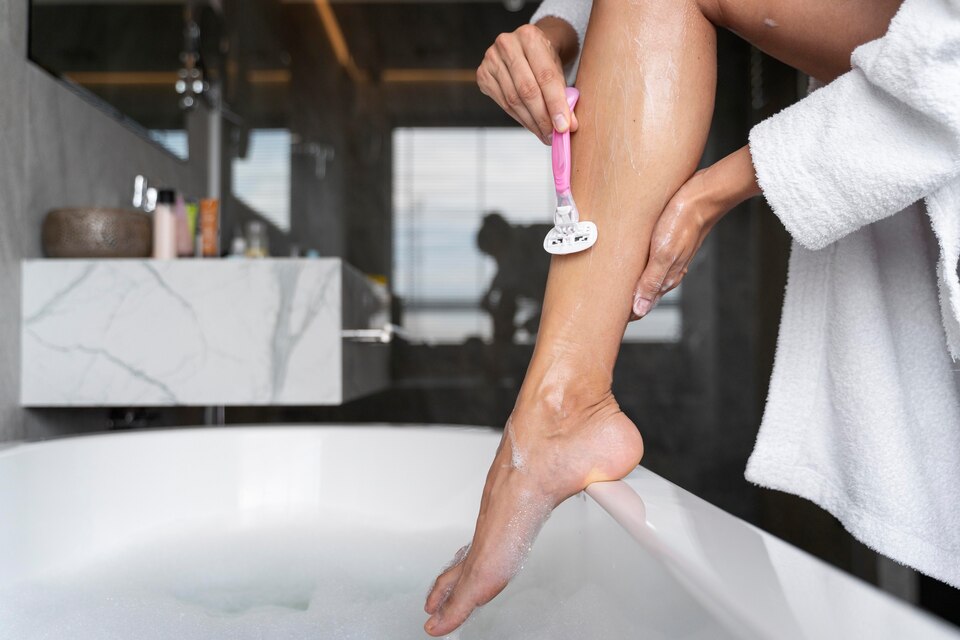
Post-shave, regrown hair may appear thicker due to its blunted ends and rough texture. However, this doesn't signify the thickening of hair fibers; it's merely a visual effect from the cut ends.
Uniform Appearance
Shaving promotes even hair growth, resulting in a more uniform and neat appearance.
Debunking the Myth
Read also :
Deodorant vs. Antiperspirant, Which is Better for Armpit Problems?
The notion that shaving causes hair to grow thicker is a myth devoid of scientific backing. Empirical evidence contradicts this claim. The reality is that shaved hair appears coarser due to the blunted ends, which can create an illusion of increased density.
Shaving does not lead to genuine thickening or coarsening of hair. Genetic factors and follicle health below the skin's surface dictate hair growth. While shaving may give the temporary impression of thicker hair, this is solely due to the freshly cut ends. If you opt for shaving, do so cautiously with clean tools to avert skin irritation or cuts.