Sure, giving a baby a smooch now and then won't always lead to illness. However, the risk is real, especially because a baby's immune system isn't as robust as an adult's. While kissing a baby is a loving gesture, without precautions, it can harm your little one. Here are some potential risks to be aware of:
1. Respiratory Syncytial Virus (RSV)
RSV is a severe respiratory virus that spreads through physical contact or infected respiratory droplets (like coughing or sneezing). So, if anyone has the flu or a cold, even if they feel fine, it's best to avoid holding, touching, and, yes, kissing babies. Babies can develop severe breathing issues, affecting their heart and brain.
2. Unstable Immune System
Newborns have delicate immune systems that are still developing. This makes them highly susceptible to illnesses. Protecting their tiny bodies is crucial, including refraining from kissing them. Patience is key, ladies.
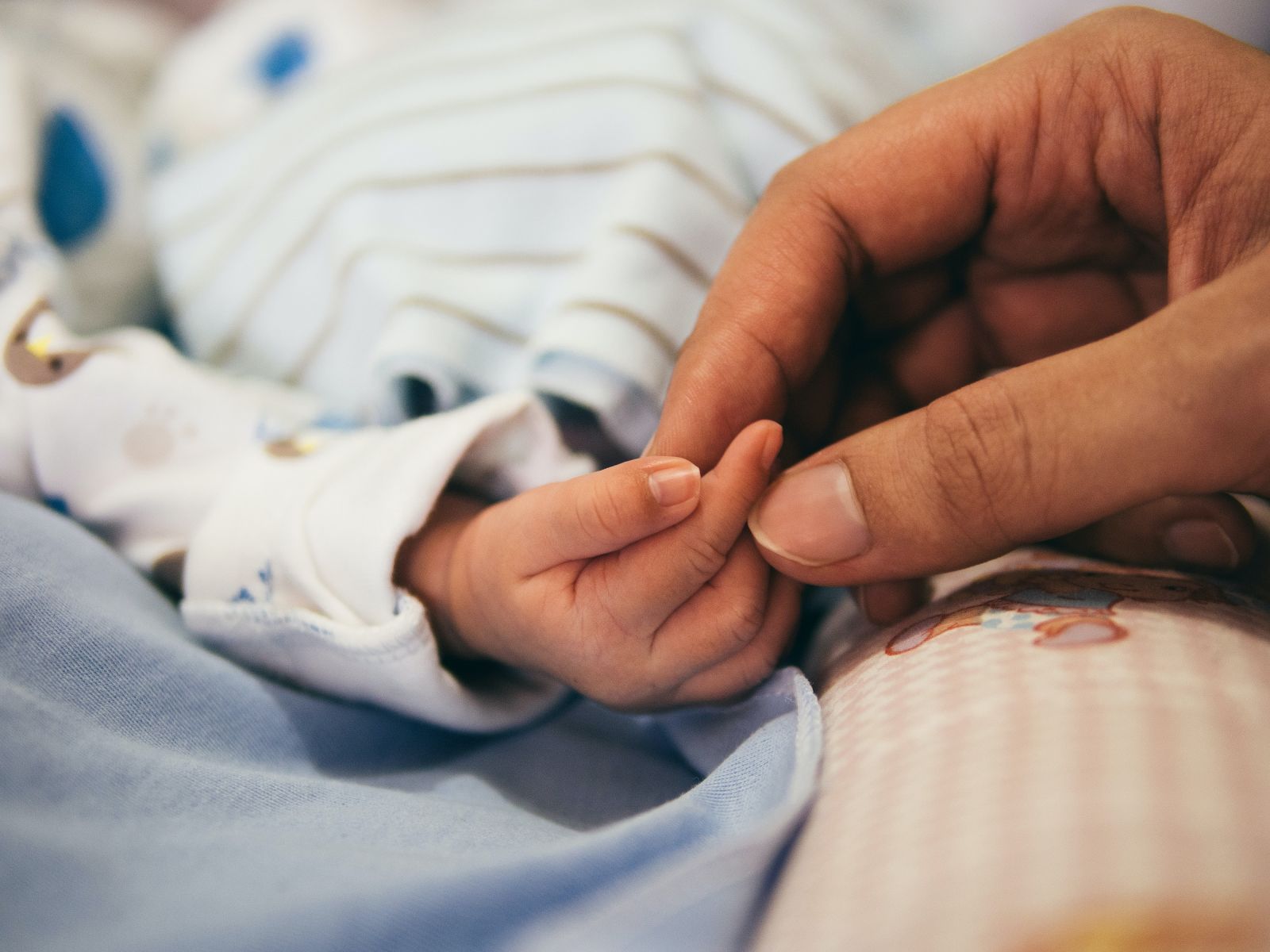
Babies have weaker immune systems, so they are prone to illness
3. Allergic Reactions
Kisses from someone consuming certain foods or using lip balm can trigger allergic reactions in a baby. Skincare products with various chemical ingredients can be equally risky. Babies may be exposed to these substances for the first time, posing a danger to their health.
4. Hand, Foot, and Mouth Disease
This viral disease commonly affects those under 10 and causes sores and rashes around the mouth, hands, feet, and legs. Babies are at risk because their immune systems are still developing.
5. Fever Blisters
Fever blisters, or cold sores, can be a serious concern after kissing a baby. These sores often appear around a baby's mouth and can spread to other areas, including the brain. While anyone can get cold sores, babies are particularly vulnerable to various infections.
Protecting the Little One
Parents play a vital role in safeguarding their babies. Whenever possible, limit the baby's exposure to crowded places, especially during the first month after birth. Reduce the number of visitors and politely inform them not to touch or kiss the baby.
Don't hesitate to decline visitors who show signs of illness, such as coughing, runny noses, sore throats, or rashes. Explain that it's essential to prioritize the baby's health. Moreover, maintain personal hygiene, from cleanliness to handwashing, before interacting with the baby.
.jpg) Be a vigilant caregiver to ensure your baby's safety
Be a vigilant caregiver to ensure your baby's safety
Babies are more susceptible to illnesses due to their underdeveloped immune systems. While it's thrilling to hold and kiss them, limiting physical contact and avoiding kissing as a precautionary measure is wise. Risks may not always manifest, but taking preventive steps is the responsible choice. Who would want to see these adorable little beings affected by our affectionate gestures?